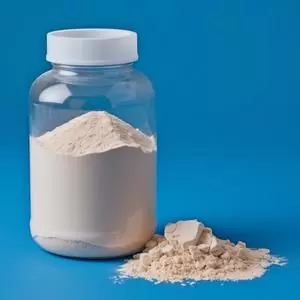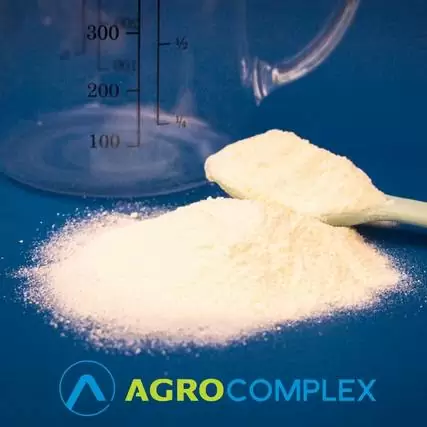
Where is milk protein isolate used?
Milk protein isolate is used in a variety of foods, including:
- Dairy (yoghurt, blends, ice-cream)
- Health food supplements
- Medical nutrition (enteral foods)
- Paediatric products
- Coffee and beverage whitener
- Sports nutrition
- Weight management products
- Medical nutrition beverages
- Healthy ageing beverages
There are several types of milk concentrates, but Milk protein isolate contains 90 percent or more protein by weight and It’s super low in fat and low in carbs.
Nutrition supplements
⠀⠀Milk protein isolate is high in protein and low in fat and can be used in a wide variety of applications. Milk protein isolate comes as a powder that can be added to packaged bars to keep them moist, boost their protein content, enhance flavor, extend shelf life and improve texture. Manufacturers sometimes add it to dairy foods to improve their nutritional profile – particularly milk or yogurt.
⠀⠀MPIs have uses in health food supplements, medical nutrition (enteral foods), paediatric products, coffee and beverage whiteners, and a variety of nutritional applications for the sport, weight management and ageing nutrition markets.
Food additive
⠀⠀Milk protein isolate is a high-quality protein source. Use it to augment whole-food protein sources, such as meat, poultry, fish and eggs. Foods with milk protein isolate are often marketed to athletes to use in post-workout recovery. Both whey and casein offer all the essential amino acids necessary for muscle growth in a highly digestible form. The high-quality protein can also be of use to the elderly, who sometimes don’t get ideal nutrition, and people with wasting diseases, such as cancer.
Other applications
⠀⠀Milk protein isolate may be a viable alternative to whey protein, especially when it comes to bars and sports drinks. Whey protein is a byproduct of the cheese-making process and can be pricey for manufacturers due to its limited availability. Milk protein isolate offers a less expensive alternative to manufacturers who want to fortify their products with extra protein. Substituting milk protein isolate for whey protein doesn’t affect the texture or taste of products and offers many of the same benefits.
Milk protein isolate properties
⠀⠀Our Milk protein isolate range allows manufacturers to deliver on a range of attributes to suit their specific product needs, including dispersibility, viscosity, emulsification and stability.
- High protein content
- Clean milky flavour – Ideal for nutrtitional products
- High level of bound calcium
- Excellent heat stability
- Low lactose content
Not right for everyone
⠀⠀Although milk protein isolate is safe for most people to consume, certain people should avoid it. MPI isn’t appropriate for peeps with an allergy to cow’s milk proteins like casein and whey. This type of allergy is more common in kids. It’s pretty rare in adults. Milk protein isolate contains very little if any lactose, it can be used by people who are lactose intolerant. Not vegan-friendly. If you have an allergy to cow’s milk proteins or are following a vegan or dairy-free diet, you should avoid products that contain milk protein isolate.
SUMMARY:
Milk protein isolate is a type of concentrated milk product that contains both whey and casein. Milk protein isolate contains 90 percent or more protein by weight. It’s super low in fat and low in carbs. It’s typically added to food products like snack bars to boost protein content. MPI may help boost your protein intake and encourage muscle growth.
Get a wholesale Protein isolate supply price right now!
As a professional producer and supplier of Protein isolate, Agrocomplex Sp. z o.o. has been selling Protein isolate in Poland since 1992. Therefore, you can be sure that you are buying Protein isolate from Agrocomplex. Please direct any questions and issues to the email address info@agrocomplex.com.pl, and we will respond within 1 business day.
FAQs: Where is milk protein isolate used?
-
What is milk protein isolate?
Milk protein isolate is a concentrated milk product containing 90% or more protein by weight. It's very low in fat and low in carbs. -
What types of food use milk protein isolate?
Milk protein isolate is used in a variety of foods, including dairy products, health food supplements, medical nutrition, paediatric products, coffee whiteners, sports nutrition, weight management products and healthy ageing beverages. -
How is milk protein isolate used in nutrition supplements?
It is used to boost protein content, enhance flavour, extend shelf life, and improve the texture of packaged bars and other supplements. -
Is milk protein isolate suitable for athletes?
Yes, milk protein isolate is often used in foods marketed to athletes for post-workout recovery, as it provides essential amino acids necessary for muscle growth. -
What advantages does milk protein isolate offer over whey protein?
Milk protein isolate can be a less expensive alternative to whey protein for manufacturers while offering many of the same benefits and without affecting the texture or taste of products. -
What are the key properties of milk protein isolate?
Key properties include high protein content, clean milky flavour, high level of bound calcium, excellent heat stability, and low lactose content. -
Who should avoid milk protein isolate?
People with an allergy to cow’s milk proteins, such as casein and whey, should avoid it. It's also not vegan-friendly. -
Can people with lactose intolerance consume milk protein isolate?
Yes, milk protein isolate contains very little, if any, lactose, so it can generally be used by people who are lactose intolerant. -
Does milk protein isolate help with muscle growth?
Yes, milk protein isolate may help boost protein intake and encourage muscle growth due to its high protein content and essential amino acids. -
Is milk protein isolate a complete protein?
Yes, both whey and casein proteins found in milk protein isolate offer all the essential amino acids necessary for muscle growth in a highly digestible form, making it a high-quality protein source.
Our offer