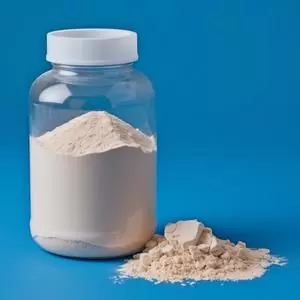
Whey Protein Isolate vs. Concentrate: A Technical Comparison and Selection Guide
Comparative Overview: Whey Protein Concentrate (WPC) vs. Whey Protein Isolate (WPI)
Choosing the right whey protein for your B2B application can be a complex decision, especially when differentiating between Whey Protein Concentrate (WPC) and Whey Protein Isolate (WPI). Both are derived from whey, a byproduct of cheese production, but they undergo different processing methods, resulting in variations in their composition, functional properties, and ideal applications. This comprehensive guide aims to provide technologists and procurement specialists with a clear understanding of the key differences between WPC and WPI, enabling informed decisions tailored to specific product development and manufacturing needs.
Production Processes and Compositional Variations: WPC vs WPI
The primary distinction between WPC and WPI lies in their manufacturing processes, which directly impact their protein content and the presence of other components like fat, lactose, and carbohydrates. Understanding these differences is crucial for selecting the appropriate protein source for specific applications.
Manufacturing Processes
- Whey Protein Concentrate (WPC): WPC is produced through ultrafiltration, a process that separates protein from other whey components based on molecular size. The resulting concentrate typically contains anywhere from 30% to 80% protein by weight.
- Whey Protein Isolate (WPI): WPI undergoes additional processing steps, such as microfiltration and ion-exchange chromatography, to further purify the protein content. These processes remove a significant portion of the fat and lactose, resulting in a higher protein concentration, typically 90% or more. It’s important to consider whether milk protein isolate is used in place of whey protein isolate, as that is an entirely different ingredient.
Compositional Breakdown
The following table provides a general comparison of the typical compositional ranges for WPC and WPI.
| Component | Whey Protein Concentrate (WPC) | Whey Protein Isolate (WPI) |
|---|---|---|
| Protein | 30-80% | 90%+ |
| Fat | 4-8% | 0-1% |
| Lactose | 4-52% | 0-1% |
| Moisture | 3-8% | 3-8% |
| Ash | 3-4% | 1-2% |
Protein Content
As evidenced above, protein level is a key differentiator. WPI offers a significantly higher protein content per serving compared to WPC, making it a preferred choice when maximizing protein concentration is paramount.
Fat Content
WPI contains minimal fat due to the extensive processing it undergoes. This makes it ideal for applications where fat content needs to be tightly controlled.
Lactose Content
The reduced lactose content of WPI makes it a suitable option for individuals with lactose intolerance. WPC, on the other hand, may contain higher levels of lactose, depending on the specific concentration.
Functional Properties Compared: WPC and WPI
Beyond compositional differences, WPC and WPI exhibit distinct functional properties that influence their suitability for various applications. These properties include solubility, taste, and heat stability.
Solubility and Dispersibility
- WPC: Generally, WPC exhibits good solubility, especially in neutral or slightly acidic conditions. However, certain WPC formulations with higher fat content may exhibit reduced dispersibility.
- WPI: Due to its lower fat and lactose content, WPI typically excels in solubility and dispersibility. It dissolves readily in a wide range of pH levels, making it versatile for various liquid applications.

Taste and Flavor
- WPC: WPC can have a slightly milky or creamy taste, sometimes perceived as less neutral compared to WPI. The flavor profile can also be influenced by the specific source and processing methods.
- WPI: WPI generally has a more neutral taste profile due to the removal of most of the non-protein components. This can be advantageous when formulating products where a clean, unflavored protein source is desired.
Heat Stability
- WPC: WPC exhibits good heat stability, making it suitable for applications involving heat treatment, such as baking and pasteurization. However, excessively high temperatures can lead to denaturation and aggregation.
- WPI: WPI is generally less heat-stable than WPC. It is more prone to denaturation and aggregation at high temperatures. Therefore, its use should be carefully considered in applications involving significant heat processing.
Application Recommendations: WPC and WPI
The optimal choice between WPC and WPI depends heavily on the specific requirements of the food or beverage application. Here are some general recommendations:
Whey Protein Concentrate (WPC) Applications
- Cost-Effective Protein Enrichment: WPC is a more economical option for adding protein to products where a very high protein concentration is not critical.
- Dairy Products: WPC can enhance the texture and stability of dairy products like yogurt, ice cream, and cheese, as well as improve the functional properties of whey protein.
- Baked Goods: WPC can improve the texture, moisture retention, and nutritional profile of baked goods.
- Nutritional Bars: WPC contributes to the protein content and texture of nutritional bars.
Whey Protein Isolate (WPI) Applications
- High-Protein Beverages: WPI is ideal for formulating ready-to-drink protein shakes, clear protein beverages, and other beverages where high protein content and clarity are desired.
- Protein Powders: WPI is commonly used in protein powders due to its high protein concentration and low fat and lactose content.
- Medical Nutrition: WPI is often used in medical nutrition products for individuals with specific dietary needs or intolerances.
- Confectionery Applications: Due to its neutral flavor, WPI can be incorporated into confectionery products without significantly impacting the taste.
Summary Table: WPC vs WPI
For quick reference, the table below summarizes the key differences between whey protein concentrate and whey protein isolate:
| Feature | Whey Protein Concentrate (WPC) | Whey Protein Isolate (WPI) |
|---|---|---|
| Protein Content | 30-80% | 90%+ |
| Fat Content | 4-8% | 0-1% |
| Lactose Content | 4-52% | 0-1% |
| Solubility | Good | Excellent |
| Taste | Mildly Milky | Neutral |
| Heat Stability | Good | Lower |
| Cost | Lower | Higher |
| Typical Applications | Dairy, baked goods, bars, cost-effective enrichment | Beverages, protein powders, medical nutrition, confectionery |
| Other Whey Proteins | WPC, Native | WPI |
Ultimately, the choice between WPC and WPI hinges on a careful evaluation of your specific application requirements, considering factors such as desired protein concentration, flavor profile, solubility, heat stability, and cost constraints. By understanding the nuances of each protein source, technologists and procurement professionals can make informed decisions that optimize product quality and performance.
For inquiries about high-quality WPC and WPI products, including WPC, WPI and Native Whey Proteins, please contact Agrocomplex Sp. z o.o. Poland. Our team of experts can guide you in selecting the ideal solution for your specific needs, taking into account factors such as the difference between whey protein types and application requirements. We are dedicated to providing premium dairy ingredients that meet the highest standards of quality and performance.
Contact us today to discuss your project and discover how Agrocomplex can help you innovate and succeed in the marketplace. To help you make a more informed decision between isolate protein vs. concentrate protein, our experts are available to assist you at every stage, whether you need help deciding between whey isolate versus concentrate, or just need some help deciding if you should get concentrate or isolate. We can help you find the whey protein isolate vs regular concentrate that works best for you.
Get a wholesale Dry Milk Products supply price right now!
As a professional producer and supplier of Whey Protein, Agrocomplex Sp. z o.o. has been selling Whey Protein in Poland since 1992. Therefore, you can be sure that you are buying Whey Protein from Agrocomplex. Please direct any questions and issues to the email address info@agrocomplex.com.pl, and we will respond within 1 business day.
FAQs: Whey Protein Isolate vs. Concentrate
-
What is the main difference between Whey Protein Concentrate (WPC) and Whey Protein Isolate (WPI)?
The main difference lies in their manufacturing processes. WPC is produced through ultrafiltration, resulting in 30-80% protein content, while WPI undergoes additional processing (microfiltration and ion-exchange chromatography) to achieve 90%+ protein content by weight and significantly reduce fat and lactose. -
Which type of whey protein is better for lactose-intolerant individuals?
WPI (Whey Protein Isolate) is the better choice for lactose-intolerant individuals due to its significantly lower lactose content (0-1%) compared to WPC (4-52%). -
How does the fat content differ between WPC and WPI?
WPC typically contains 4-8% fat, while WPI contains minimal fat, usually ranging from 0-1%, due to its more extensive processing. -
Which whey protein has better solubility?
WPI (Whey Protein Isolate) generally exhibits excellent solubility and dispersibility due to its lower fat and lactose content, dissolving readily in a wide range of pH levels. WPC typically has good solubility, although formulations with higher fat content may show reduced dispersibility. -
What are the typical applications for WPC?
WPC is commonly used in dairy products, baked goods, nutritional bars, and as a cost-effective option for protein enrichment in various applications where extremely high protein concentration isn't essential. -
What are the typical applications for WPI?
WPI is ideal for high-protein beverages, protein powders, medical nutrition products, and confectionery applications where a neutral flavor and high protein content are desired. -
How does the taste of WPC compare to WPI?
WPC can have a slightly milky or creamy taste, while WPI generally has a more neutral taste profile due to the removal of most of the non-protein components. -
Which whey protein is more heat stable?
WPC exhibits better heat stability compared to WPI, making it more suitable for applications involving heat treatment, such as baking and pasteurization. WPI is more prone to denaturation and aggregation at high temperatures. -
Is WPI or WPC more expensive?
WPI (Whey Protein Isolate) is generally more expensive than WPC (Whey Protein Concentrate) due to the additional processing steps required to achieve a higher protein concentration and lower fat and lactose content. -
What factors should I consider when choosing between WPC and WPI?
Consider factors such as desired protein concentration, flavor profile, solubility, heat stability, cost constraints, and any dietary restrictions (e.g., lactose intolerance) when choosing between WPC and WPI. Understanding the specific requirements of your application is crucial for making an informed decision.
Our offer