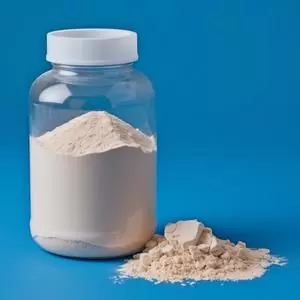
Whey Protein Instantization: Lecithin's Role and Alternatives
A Brief Look at Protein Instantization
One of the key characteristics that technologists and consumers consider when evaluating whey protein powders is their ability to dissolve easily in liquids. This property, known as instantization, significantly enhances the user experience. Poorly soluble protein powders can clump, creating a gritty texture and making them difficult to mix. A key ingredient often used to achieve this desirable solubility is lecithin.
Lecithin’s Role in Enhancing Solubility
Lecithin, a naturally occurring phospholipid, acts as an emulsifier. It has both hydrophobic (water-repelling) and hydrophilic (water-attracting) properties. In protein powder, lecithin helps to coat the protein particles, allowing them to disperse more easily and evenly in water. This process reduces clumping and improves the overall solubility of the powder. Without lecithin, non-instantized whey protein tends to float on top of liquids, forming lumps that are difficult to dissolve. Essentially, lecithin is a processing aid used to improve the functionality of the product.
How Lecithin Works: A Closer Look
- Reduces Surface Tension: Lecithin lowers the surface tension between the protein powder and the liquid, allowing the powder to wet more effectively.
- Prevents Agglomeration: By coating the protein particles, lecithin prevents them from sticking together and forming clumps.
- Improves Dispersion: Lecithin facilitates the even dispersion of the protein powder throughout the liquid, resulting in a smoother and more consistent mixture.
Soy vs. Sunflower Lecithin: A Comparative Analysis
While both soy lecithin and sunflower lecithin serve as effective emulsifiers, they differ in their source, allergenicity, and perceived
health benefits. Understanding these differences is crucial for technologists and product developers when formulating whey protein products.
Soy Lecithin: Advantages and Disadvantages
Soy lecithin has been a widely used emulsifier in the food industry for decades, including in whey protein with soy lecithin. It is readily available and relatively inexpensive. Here’s a breakdown of its pros and cons:
Advantages of Soy Lecithin:
- Cost-Effective: Soy lecithin is generally more affordable than sunflower lecithin.
- Widely Available: Soy is a common crop, making soy lecithin easily accessible.
- Effective Emulsification: Soy lecithin provides excellent emulsification properties, leading to good solubility.
Disadvantages of Soy Lecithin:
- Allergen Concerns: Soy is a common allergen, and even highly processed soy lecithin may contain trace amounts of soy protein that can trigger allergic reactions in sensitive individuals. This is a key concern for consumers seeking no soy lecithin whey protein options.
- GMO Concerns: A significant portion of the soy crop is genetically modified, leading to concerns among consumers seeking non-GMO products.

Sunflower Lecithin: Advantages and Disadvantages
Sunflower lecithin in protein powder is gaining popularity as a cleaner and more allergy-friendly alternative to soy lecithin. It is derived from sunflower seeds and processed to extract the beneficial phospholipids. Let’s analyze its strengths and weaknesses:
Advantages of Sunflower Lecithin:
- Allergen-Free: Sunflower is not a common allergen, making sunflower lecithin a safer option for individuals with soy allergies.
- Non-GMO: Sunflower lecithin is typically derived from non-GMO sunflowers, addressing consumer concerns about genetically modified ingredients.
- Clean Label: Sunflower lecithin is often perceived as a „cleaner” label ingredient, appealing to health-conscious consumers.
Disadvantages of Sunflower Lecithin:
- Higher Cost: Sunflower lecithin is generally more expensive than soy lecithin.
- Potential for Less Effective Emulsification: In some cases, higher levels of sunflower lecithin may be needed to achieve the same emulsification effect as soy lecithin, though advancements in processing are improving this.
- Taste & Color: Depending on supplier & processing, it can impact flavor & color of the final product
The Allergen Question: Is Soy Lecithin Safe?
The allergenicity of soy lecithin is a complex issue. While the manufacturing process removes much of the soy protein, trace amounts may remain. Individuals with severe soy allergies should exercise caution and opt for whey protein isolate without lecithin or
products containing sunflower lecithin. It is crucial to consult product labels and manufacturer information regarding allergen statements before consumption.
The „Lecithin-Free” Trend: Manufacturing Proteins Without Lecithin
Driven by consumer demand for cleaner labels and allergen-free products, there is a growing trend toward lecithin-free protein shakes. Manufacturing protein powders without lecithin requires alternative strategies to achieve acceptable solubility.
Techniques for Producing Lecithin-Free Protein Powders
- Agglomeration: This process involves causing the protein particles to bind together, creating larger, more porous granules that dissolve more easily. Fluid Bed Agglomeration is a popular technique.
- Careful Processing: Gentle processing techniques, such as low-temperature drying, can minimize protein denaturation and improve solubility.
- Ingredient Blending: Combining the protein with other soluble ingredients, such as gums or fibers, can improve overall dispersibility.
- Native Whey Protein: Using high quality, undenatured Native whey protein concentrate (WPC) or Native whey protein isolate (WPI) that is carefully processed from milk can improve the natural solubility of the protein and reduce the need for emulsifiers.
Considerations for Formulating Lecithin-Free Products
While eliminating lecithin can be desirable, it’s important to consider the potential impact on product characteristics:
- Solubility: Ensure that the alternative methods achieve adequate solubility and prevent clumping.
- Texture: The absence of lecithin may affect the texture of the reconstituted shake.
- Cost: Alternative techniques or ingredients may increase the overall production cost.
Selecting the Right Product: Factors to Consider
Choosing the right whey protein product depends on individual dietary needs, preferences, and sensitivities. Here are some key factors to consider:
- Allergies: If you have a soy allergy, opt for products made with sunflower lecithin or whey protein isolate without lecithin.
- Ingredient Preferences: If you prefer non-GMO ingredients or a cleaner label, choose products containing sunflower lecithin.
- Solubility: Evaluate the product’s solubility and mixing ability based on reviews and product descriptions.
- Budget: Consider the cost implications of different types of lecithin or lecithin-free formulations.
Technologists and purchasers should carefully weigh the pros and cons of each lecithin type and consider alternative instantization methods based on their specific product goals and target consumer base. Lecithin in protein powder use is a careful evaluation of all possible factors.
For high-quality dairy ingredients, including WPC, WPI, and Native Whey Protein solutions, contact Agrocomplex Sp. z o.o. Poland. Our team of experts can help you find the perfect ingredients for your specific application.
Get a wholesale Dry Milk Products supply price right now!
As a professional producer and supplier of Whey Protein, Agrocomplex Sp. z o.o. has been selling Whey Protein in Poland since 1992. Therefore, you can be sure that you are buying Whey Protein from Agrocomplex. Please direct any questions and issues to the email address info@agrocomplex.com.pl, and we will respond within 1 business day.
FAQs: Whey Protein Instantization
-
What is protein instantization in whey protein powders?
Protein instantization refers to the ability of whey protein powders to dissolve easily in liquids. This property enhances the user experience by preventing clumping and creating a smooth texture.
-
What role does lecithin play in whey protein instantization?
Lecithin acts as an emulsifier, coating protein particles to help them disperse more easily and evenly in water. This reduces clumping and improves the overall solubility of the powder.
-
What are the main differences between soy lecithin and sunflower lecithin?
Soy lecithin is cost-effective and widely available but poses allergen and GMO concerns. Sunflower lecithin is allergen-free and typically non-GMO, but it is more expensive and may require higher levels for the same emulsification effect.
-
Is soy lecithin safe for individuals with soy allergies?
While the manufacturing process removes much of the soy protein, trace amounts may remain in soy lecithin. Individuals with severe soy allergies should exercise caution and consider sunflower lecithin or lecithin-free options.
-
What techniques are used to produce lecithin-free protein powders?
Techniques include agglomeration, careful processing (low-temperature drying), ingredient blending (with gums or fibers), and using high-quality Native Whey Protein.
-
What are the considerations for formulating lecithin-free whey protein products?
Ensure adequate solubility, consider the potential impact on texture, and account for any increased production costs associated with alternative techniques or ingredients.
-
What factors should I consider when selecting a whey protein product?
Consider allergies, ingredient preferences (non-GMO, cleaner label), solubility, and budget.
-
What is agglomeration in the context of protein powder processing?
Agglomeration involves causing the protein particles to bind together, creating larger, more porous granules that dissolve more easily in liquids.
-
Why is sunflower lecithin considered a "clean label" ingredient?
Sunflower lecithin is often perceived as a "cleaner" label ingredient because it is not a common allergen and is typically derived from non-GMO sunflowers, appealing to health-conscious consumers.
-
What is Native Whey Protein and how does it help with solubility?
Native Whey Protein is a high-quality, undenatured whey protein concentrate (WPC) or isolate (WPI) carefully processed from milk. Its natural solubility can reduce the need for emulsifiers like lecithin.
Our offer