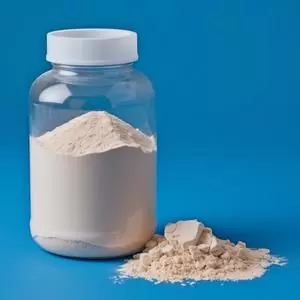
Whey Protein Concentrate (WPC 80): Composition, Properties, and Applications for Technologists
A Concise Overview of Whey Protein Concentrate (WPC)
In the realm of dairy ingredients, whey protein concentrate (WPC) stands out as a versatile and highly valued component. Derived from whey, a byproduct of cheese production, WPC is created through processes like ultrafiltration and drying, concentrating the protein content. This results in a powder with a significant protein percentage, making it a popular choice across various industries.
Production Processes and Industry Standards: Deciphering WPC 80
The Manufacturing Journey of WPC
The production of WPC begins with whey, which is carefully processed to separate the protein from other components like lactose and minerals. Ultrafiltration is a key step, using membranes to selectively allow certain molecules to pass through. The resulting concentrate is then dried to create the final WPC product.
What WPC 80 Really Signifies
The designation „WPC 80” indicates that the powder contains approximately 80% protein by weight. This is a common and widely used concentration, offering a balance of protein content, functionality, and cost-effectiveness. Other WPC variants exist with different protein percentages, but WPC 80 remains a popular choice. This percentage ensures a high protein yield, making it suitable for various applications where protein enrichment is desired.
Understanding the Significance of Composition Standards
Specific standards determine the precise composition of WPC 80, covering aspects such as protein content, moisture levels, fat content, and ash content. These standards are crucial for ensuring consistent quality and functionality. Meeting these standards is essential for applications where consistent performance is paramount.
Essential Functional Properties of Whey Protein Concentrate
Emulsification Abilities
WPC acts as an effective emulsifier due to its amphiphilic nature. The protein molecules have both hydrophilic (water-attracting) and hydrophobic (water-repelling) regions, allowing them to stabilize mixtures of oil and water. This emulsification property is beneficial in applications like sauces, dressings, and processed meats.
Gelation Capacity
When heated or subjected to specific conditions, WPC can form a gel-like structure. This gelation property is vital in products like yogurts, desserts, and processed cheeses, contributing to their texture and stability. The gelation ability depends on factors like protein concentration, pH, and the presence of salts.

Other Key Functional Attributes
- Foaming: WPC can create stable foams, making it useful in whipped toppings and desserts.
- Water Binding: It can bind water, influencing the texture and shelf life of food products.
- Viscosity Enhancement: WPC can increase the viscosity of liquids, affecting the mouthfeel of beverages and sauces.
WPC Applications Across Diverse Industries
Food & Beverage Industry Applications
WPC finds widespread applications in food and beverage manufacturing:
- Dairy Products: Enhances protein content and texture in yogurts, cheeses, and dairy-based desserts.
- Bakery: Improves dough handling, texture, and nutritional value in breads, cakes, and pastries.
- Beverages: Used in protein shakes, smoothies, and fortified beverages to boost protein levels.
- Processed Meats: Acts as a binder and emulsifier in sausages and other processed meat products.
Sports Nutrition & Dietary Supplement Uses
The sports nutrition industry heavily relies on WPC due to its high protein content and rapid absorption:
- Protein Powders: A primary ingredient in protein supplements for muscle building and recovery.
- Protein Bars: Provides a source of protein in energy and protein bars.
- Meal Replacement Shakes: Used to increase the protein content of meal replacement products.
Pharmaceutical and Infant Formula Industry
The ingredient also has applications in the pharmaceutical industry and infant formula market.
- Infant Formula: WPC is employed to deliver essential proteins in infant formulas.
- Medical Nutrition: Can act as a protein source medical nutrition products for patients with specific dietary requirements.
Selecting Optimal WPC: A Guide
Assessing Key Quality Indicators
When sourcing WPC, several factors should be considered to ensure quality and suitability:
- Protein Content: Verify that the protein percentage matches the desired specification (e.g., 80% for WPC 80).
- Solubility: Ensure good solubility, particularly for beverage applications. Instantized whey protein concentrate offers improved dispersibility.
- Flavor Profile: Select a product with a neutral or desirable flavor to minimize impact on the final product.
- Microbiological Purity: Confirm that the WPC meets stringent microbiological standards.
The Significance of Supplier Reputation & Certifications
Partnering with a reputable supplier is essential. Look for suppliers with certifications like ISO 9001, HACCP, or GMP (Good Manufacturing Practices), which demonstrate a commitment to quality and food safety. Scrutinize the supplier’s track record and request detailed product specifications and technical data sheets.
Considering Whey Protein Variants: Is WPC Right?
Beyond WPC, other whey protein options exist, including whey protein isolate (WPI) and native whey protein. WPI contains a higher protein percentage and lower levels of lactose and fat than WPC. Native whey protein is extracted directly from milk, rather than being a byproduct of cheese production, and it may offer certain advantages in terms of protein structure.
The choice between WPC, WPI, and native whey protein depends on the specific application and desired level of protein purity. WPC is often a good balance of cost and functionality for many applications.
For technologists and purchasers seeking high-quality dairy ingredients, careful consideration of these factors is vital for making informed decisions.
To learn more about Agrocomplex Sp z o.o’s range of WPC products and other dry dairy ingredients, contact us today. We offer a wide variety of options to meet your specific needs.
Get a wholesale Dry Milk Products supply price right now!
As a professional producer and supplier of Whey Protein, Agrocomplex Sp. z o.o. has been selling Whey Protein in Poland since 1992. Therefore, you can be sure that you are buying Whey Protein from Agrocomplex. Please direct any questions and issues to the email address info@agrocomplex.com.pl, and we will respond within 1 business day.
FAQs: Whey Protein Concentrate (WPC 80)
-
What is Whey Protein Concentrate (WPC)?
Whey Protein Concentrate (WPC) is a versatile dairy ingredient derived from whey, a byproduct of cheese production. It's created through processes like ultrafiltration and drying, concentrating the protein content.
-
What does "WPC 80" signify?
"WPC 80" indicates that the powder contains approximately 80% protein by weight. It's a common concentration offering a balance of protein content, functionality, and cost-effectiveness.
-
What determines the composition standards of WPC 80?
Specific standards define the precise composition of WPC 80, covering aspects such as protein content, moisture levels, fat content, and ash content. These standards ensure consistent quality and functionality.
-
How does WPC act as an emulsifier?
WPC acts as an effective emulsifier due to its amphiphilic nature. The protein molecules have both hydrophilic (water-attracting) and hydrophobic (water-repelling) regions, allowing them to stabilize mixtures of oil and water.
-
What is the gelation capacity of WPC and how is it used?
When heated or subjected to specific conditions, WPC can form a gel-like structure. Examples include yogurts, desserts, and processed cheeses, contributing to their texture and stability.
-
What are some key functional attributes of WPC?
Key functional attributes include foaming, water binding, and viscosity enhancement, making it useful in whipped toppings, desserts, and various food products.
-
What are some common applications of WPC in the food and beverage industry?
WPC enhances protein content and texture in dairy products, improves dough handling in bakery, boosts protein levels in beverages, and acts as a binder/emulsifier in processed meats.
-
How is WPC used in sports nutrition?
The sports nutrition industry heavily relies on WPC as a primary ingredient in protein supplements for muscle building and recovery, protein bars, and meal replacement shakes.
-
What factors should be considered when sourcing WPC?
Key factors include verifying protein content, ensuring good solubility, selecting a product with a neutral flavor, and confirming that the WPC meets stringent microbiological standards.
-
What are the alternatives to WPC?
Alternatives to WPC include whey protein isolate (WPI) and native whey protein. WPI contains a higher protein percentage and lower levels of lactose and fat than WPC. Native whey protein is extracted directly from milk.
Our offer