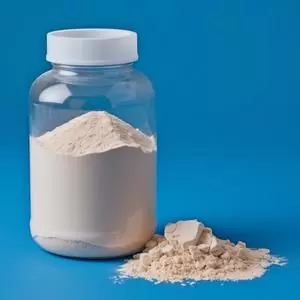
Unlocking the Power of Native Whey Protein: A Deep Dive
What is Native Whey Protein?
At its core, native protein is a form of whey protein derived directly from fresh milk, processed with minimal intervention to preserve its natural structure and biological activity. Unlike traditional whey protein, which is often a byproduct of cheese manufacturing, native whey is extracted directly, resulting in a purer, less processed protein source. This distinction is vital because the processing methods used to create conventional whey protein can denature the protein’s delicate structure, potentially diminishing its nutritional value and functionality. Therefore, what is a native protein? It is protein in its most natural, unaltered state.
The Technology Behind Cold Processed Whey Protein
The creation of native whey protein hinges on a sophisticated processing technique known as cold microfiltration. This method is crucial because it avoids the high temperatures and harsh chemicals that are typically used in the production of conventional whey protein, factors which can compromise the protein’s integrity. Let’s break down the core elements of this process:
The Gentle Approach: Cold Microfiltration
Cold microfiltration involves passing fresh, pasteurized milk through a series of advanced filters with extremely fine pores. These filters selectively separate the whey protein from other milk components, such as casein, fat, and lactose, based on their molecular size. The key advantage here is that the entire process is carried out at low temperatures, typically below 10°C (50°F). This minimizes the risk of denaturing the protein, ensuring that it retains its native, unaltered structure.
Why Cold Processing Matters
The „cold” aspect of cold processed whey protein is paramount. High temperatures can cause the protein molecules to unfold, disrupting their delicate three-dimensional structure and reducing their bioactivity. This is especially important when comparing native protein to regular whey protein manufacturing process. By maintaining low temperatures, cold microfiltration preserves the protein’s:
- Bioavailability: The protein is more easily digested and absorbed by the body.
- Functional Properties: The protein retains its ability to perform specific biological functions, such as immune support and muscle recovery.
- Nutritional Value: The amino acid profile remains intact, providing a complete and balanced source of essential amino acids.
The Result: Pure, Undenatured Whey Protein
The cold microfiltration process yields a highly concentrated and pure form of whey protein that is essentially undenatured whey protein. This means the protein’s structure remains largely intact, mirroring its original state in fresh milk. The absence of harsh chemicals and high temperatures also ensures that the native whey protein isolate is free from unwanted byproducts and contaminants, making it a cleaner and more desirable protein source.
Key Characteristics of Native Whey
Understanding the unique attributes of native whey protein is crucial for appreciating its value as a premium nutritional ingredient. The two most prominent characteristics are its undenatured structure and its complete amino acid profile.
Undenatured Structure: Preserving Bioactivity
As previously discussed, the undenatured structure of native whey protein is a direct result of the gentle cold microfiltration process. This preservation of the protein’s native conformation is not merely a technical detail; it has significant implications for its biological activity. Undenatured whey protein retains many of its inherent functional properties, including:
- Immune-Boosting Properties: Native whey protein contains immunoglobulins and lactoferrin, which exhibit antimicrobial and immune-enhancing effects. These compounds are often denatured or destroyed during conventional whey protein processing.
- Muscle Recovery and Growth: The intact protein structure allows for more efficient digestion and absorption of amino acids, promoting muscle protein synthesis and faster recovery after exercise.
- Antioxidant Activity: Native whey protein contains enzymes such as glutathione peroxidase, which helps protect cells from oxidative damage.
Complete Amino Acid Profile: A Nutritional Powerhouse
Whey protein, in general, is renowned for its complete amino acid profile, meaning it contains all nine essential amino acids that the human body cannot produce on its own. However, the preservation of the protein’s integrity in native whey ensures that these amino acids are readily available and efficiently utilized by the body. The amino acid profile of native whey protein is particularly rich in branched-chain amino acids (BCAAs), such as leucine, isoleucine, and valine, which play a crucial role in muscle protein synthesis and reducing muscle fatigue. This makes native protein an ideal protein source for athletes and individuals seeking to optimize their muscle health.
Specific Amino Acid Benefits
- Leucine: The primary trigger for muscle protein synthesis.
- Isoleucine: Helps regulate blood sugar levels and energy production.
- Valine: Aids in muscle repair and recovery.

Distinguishing Native Whey Protein from Regular WPI
While both native whey protein and whey protein isolate (WPI) are concentrated sources of whey protein, they differ significantly in their production methods and resulting properties. Understanding these distinctions is essential for making informed decisions about which protein source best suits individual needs and goals.
Production Processes Compared
The key difference lies in the production processes:
- Native Whey Protein: Produced directly from fresh milk using cold microfiltration, minimizing exposure to heat and chemicals.
- Whey Protein Isolate (WPI): Typically a byproduct of cheese manufacturing. The whey undergoes various processing steps, including pasteurization, filtration, and drying, often involving higher temperatures and chemicals.
Impact on Protein Structure and Functionality
The differences in processing methods have a profound impact on the protein’s structure and functionality:
- Native Whey Protein: Maintains its undenatured structure, preserving its bioactive compounds and functional properties.
- Whey Protein Isolate (WPI): The high temperatures and chemicals used in processing can denature the protein, potentially reducing its bioavailability and functional properties.
Nutritional Profile and Benefits
While both sources are high in protein, the nutritional profiles and potential benefits differ slightly:
- Native Whey Protein: Retains a higher concentration of bioactive compounds, such as immunoglobulins and lactoferrin, offering potential immune-boosting and antioxidant benefits.
- Whey Protein Isolate (WPI): Generally lower in fat and carbohydrates, making it a good option for those seeking a very pure protein source. However, it may lack some of the additional bioactive compounds found in native protein.
Why Native Whey Protein is a Premium Ingredient
The unique characteristics of native whey protein clearly position it as a premium ingredient in the nutritional landscape. Its gentle processing, unaltered structure, and complete amino acid profile make it a superior choice for those seeking the highest quality protein source. Here’s why it stands out:
Superior Quality and Purity
The direct extraction from fresh milk and the use of cold microfiltration ensure a high level of purity and minimize the risk of contamination. This makes native whey protein a cleaner and more reliable protein source compared to conventional whey protein products.
Enhanced Bioavailability and Functionality
The undenatured structure of native whey protein allows for more efficient digestion and absorption of amino acids, maximizing its benefits for muscle recovery, growth, and overall health. The presence of bioactive compounds further enhances its functionality, providing additional immune-boosting and antioxidant support.
Ideal for High-Value Applications
Due to its exceptional quality and functional properties, native whey protein is particularly well-suited for high-value applications, such as:
- Sports Nutrition: Formulations for athletes seeking to optimize muscle recovery and performance.
- Infant Formula: Providing essential nutrients for healthy growth and development.
- Medical Nutrition: Supporting patients with specific dietary needs or health conditions.
- Healthy Aging: Preserving muscle mass and overall health in older adults.
In conclusion, native whey protein represents a significant advancement in whey protein technology. Its gentle processing, preserved structure, and complete nutritional profile make it a truly premium ingredient with a wide range of potential health benefits.
For inquiries about high-quality dry milk products, including native whey protein, contact Agrocomplex Sp. z o.o. Poland today. Our team is ready to assist you with your specific needs.
Get a wholesale Dry Milk Products supply price right now!
As a professional producer and supplier of Native Whey, Agrocomplex Sp. z o.o. has been selling Native Whey in Poland since 1992. Therefore, you can be sure that you are buying Native Whey from Agrocomplex. Please direct any questions and issues to the email address info@agrocomplex.com.pl, and we will respond within 1 business day.
FAQs: Native Whey Protein
-
What is Native Whey Protein?
Native whey protein is a form of whey protein derived directly from fresh milk, processed with minimal intervention to preserve its natural structure and biological activity. It's a purer, less processed protein source compared to traditional whey protein, which is often a byproduct of cheese manufacturing.
-
How is Native Whey Protein produced?
Native whey protein is produced using cold microfiltration. This process involves passing fresh, pasteurized milk through a series of advanced filters at low temperatures (typically below 10°C/50°F). This separates the whey protein from other milk components without denaturing the protein.
-
Why is cold processing important for Native Whey Protein?
Cold processing is crucial because high temperatures can denature protein molecules, disrupting their structure and reducing their bioactivity. By maintaining low temperatures, cold microfiltration preserves the protein's bioavailability, functional properties, and nutritional value.
-
What are the key characteristics of Native Whey Protein?
The two most prominent characteristics are its undenatured structure and its complete amino acid profile. The undenatured structure preserves its biological activity, and the complete amino acid profile ensures that all essential amino acids are readily available.
-
What are the benefits of the undenatured structure of Native Whey Protein?
The undenatured structure allows Native Whey Protein to retain many of its inherent functional properties, including immune-boosting properties, efficient digestion and absorption of amino acids for muscle recovery and growth, and antioxidant activity.
-
How does Native Whey Protein differ from Whey Protein Isolate (WPI)?
Native whey protein is produced directly from fresh milk using cold microfiltration, while WPI is typically a byproduct of cheese manufacturing and undergoes more processing with higher temperatures and chemicals. This difference impacts the protein's structure, functionality, and nutritional profile.
-
What are the benefits of Native Whey Protein's amino acid profile?
The amino acid profile of native whey protein is particularly rich in branched-chain amino acids (BCAAs), such as leucine, isoleucine, and valine, which play a crucial role in muscle protein synthesis and reducing muscle fatigue. Leucine is the primary trigger for muscle protein synthesis, isoleucine helps regulate blood sugar levels and energy production, and valine aids in muscle repair and recovery.
-
Why is Native Whey Protein considered a premium ingredient?
Its gentle processing, unaltered structure, and complete amino acid profile make it a superior choice for those seeking the highest quality protein source. It has superior quality and purity, and it has enhanced bioavailability and functionality.
-
What are some ideal applications for Native Whey Protein?
Native whey protein is particularly well-suited for high-value applications, such as sports nutrition, infant formula, medical nutrition, and healthy aging formulations.
-
Does Native Whey Protein provide immune boosting benefits?
Yes, Native Whey Protein retains a higher concentration of bioactive compounds, such as immunoglobulins and lactoferrin, offering potential immune-boosting and antioxidant benefits.
Our offer