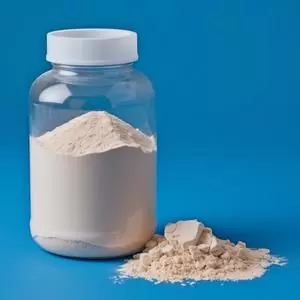
Unlocking Sweet Success: The Power of Whey Powder in Chocolate and Confectionery
The Rise of Whey Powder: An Economic Alternative to Skimmed Milk Powder
In the dynamic world of confectionery, innovation and cost-effectiveness are paramount. Whey powder in confectionery has emerged as a game-changing ingredient, providing a compelling alternative to traditional skimmed milk powder (SMP). This section explores why manufacturers are increasingly turning to whey powder and delves into its properties as a substitute.
Why Whey Powder? Cost and Availability
The primary driver behind the growing popularity of whey powder is its economic advantage. Compared to SMP, whey powder is often significantly cheaper, enabling confectionery producers to reduce their raw material costs without compromising on quality. Furthermore, whey powder is a readily available byproduct of cheese manufacturing, ensuring a stable supply chain. This reliable availability further contributes to its appeal.
Understanding the Composition of Whey Powder
To effectively utilize whey powder in confectionery, it’s crucial to understand its composition. Whey powder primarily consists of lactose, proteins (including valuable whey proteins), minerals, and a small amount of fat. The specific composition can vary depending on the cheese-making process and the type of whey powder (e.g., sweet whey powder, acid whey powder, demineralized whey powder). Understanding these variations is key to selecting the appropriate type for a specific application.
Whey Powder in Chocolate: Flavor, Texture, and Cost Optimization
Chocolate, a beloved treat worldwide, presents unique challenges and opportunities for manufacturers. Whey powder in chocolate plays a crucial role in influencing the final product’s characteristics, from its melt-in-your-mouth texture to its overall flavor profile. This section dissects the impact of whey powder on chocolate production.
Enhancing Texture and Mouthfeel
The addition of whey powder in chocolate can significantly improve its texture. It contributes to a smoother, less gritty mouthfeel, particularly in milk chocolate. The lactose present in whey powder interacts with other ingredients, preventing excessive crystallization of sugar and fat. This results in a more consistent and pleasurable eating experience.
Flavor Modulation: A Delicate Balance
While whey powder can enhance certain aspects of chocolate flavor, it also requires careful consideration. The inherent flavor of whey powder, which can be slightly cheesy or tangy, needs to be balanced with other ingredients. Chocolate manufacturers often use deodorized whey powder or adjust the recipe to mask any undesirable flavors. However, in some cases, the subtle tang of whey powder can actually complement certain chocolate profiles, adding a unique dimension to the taste.
Reducing Costs Without Compromising Quality
As mentioned earlier, cost optimization is a major advantage of using whey powder in chocolate. By partially replacing cocoa butter or other expensive ingredients with whey powder, manufacturers can significantly reduce their production costs. However, it’s crucial to maintain a balance between cost savings and quality. Excessive use of whey powder can negatively impact the flavor and texture of the chocolate. Careful formulation and rigorous quality control are essential.
Caramel and Toffee: The Maillard Reaction and Flavor Development
Caramel and toffee, with their rich, complex flavors, rely heavily on the Maillard reaction, a chemical reaction between amino acids and reducing sugars that occurs upon heating. Whey powder in candy making can significantly influence the Maillard reaction, contributing to the characteristic flavor and color development of these confectionery items.

Fueling the Maillard Reaction
The lactose and proteins present in whey powder act as key components in the Maillard reaction. As the mixture is heated, lactose breaks down into simpler sugars, providing the reducing sugars necessary for the reaction. The whey proteins contribute amino acids, further fueling the process. The result is a cascade of flavor compounds that contribute to the unique taste of caramel and toffee.
Achieving Desired Color and Flavor Profiles
By controlling the amount of whey powder in candy making, the temperature, and the cooking time, manufacturers can fine-tune the color and flavor of caramel and toffee. Higher concentrations of whey powder and longer cooking times generally lead to a darker color and a more intense, caramelized flavor. However, it’s important to avoid scorching, which can result in bitter or burnt flavors. Careful monitoring and precise control are crucial for achieving the desired results.
Fillings and Pastes: Texture and Stability Enhancement
Whey powder’s versatility extends to fillings and pastes, where it acts as a valuable functional ingredient. Its ability to bind water, improve texture, and enhance stability makes it an ideal choice for a wide range of confectionery applications.
Water Binding and Texture Improvement
Whey powder possesses excellent water-binding properties. This is particularly beneficial in fillings and pastes, where it helps to prevent the filling from drying out or becoming grainy. The water-binding capacity of whey powder contributes to a smoother, more cohesive texture, enhancing the overall eating experience. It also helps to prevent syneresis (water separation), which can negatively impact the appearance and shelf life of the product.
Enhancing Stability and Preventing Separation
In addition to improving texture, whey powder contributes to the stability of fillings and pastes by preventing the separation of oil and water. This is especially important in fillings that contain a high fat content, such as chocolate ganache or nut pastes. The proteins in whey powder act as emulsifiers, helping to keep the oil and water phases evenly distributed, resulting in a more stable and visually appealing product.
Economic Advantages of Using Whey Powder
Beyond its functional benefits, the use of whey powder offers significant economic advantages for confectionery manufacturers. This section delves into the cost savings and overall profitability that can be achieved by incorporating whey powder into various confectionery formulations.
Reducing Raw Material Costs
As previously mentioned, whey powder is generally less expensive than skimmed milk powder and other dairy ingredients. By partially replacing these ingredients with whey powder, manufacturers can significantly reduce their raw material costs. This is particularly important in competitive markets where price sensitivity is high.
Optimizing Formulations for Maximum Profitability
By carefully optimizing their formulations, confectionery manufacturers can maximize the profitability of their products while maintaining quality. Technologists and procurement specialists play a crucial role in this process. They analyze the cost and functional properties of different ingredients and develop formulations that deliver the desired taste, texture, and stability at the lowest possible cost. Whey powder is often a key component of these cost-optimized formulations.
The Confectioner’s Secret Weapon: Whey Powder as a Versatile Ingredient
In conclusion, whey powder in confectionery is a versatile and valuable ingredient that offers a wide range of benefits. From enhancing the texture and flavor of chocolate to improving the stability of fillings and pastes, whey powder plays a crucial role in the production of high-quality confectionery items. Its economic advantages further enhance its appeal, making it an indispensable tool for confectionery manufacturers looking to optimize their formulations and improve their profitability.
For confectionery manufacturers seeking to elevate their products with premium whey powder and other dairy ingredients, Agrocomplex Sp. z o.o. Poland offers a diverse range of high-quality products. Contact us today to explore how our solutions can enhance your confectionery creations.
Get a wholesale Dry Milk Products supply price right now!
As a professional producer and supplier of Whey Powder, Agrocomplex Sp. z o.o. has been selling Whey Powder in Poland since 1992. Therefore, you can be sure that you are buying Whey Powder from Agrocomplex. Please direct any questions and issues to the email address info@agrocomplex.com.pl, and we will respond within 1 business day.
FAQs: The Power of Whey Powder in Chocolate and Confectionery
-
What are the main benefits of using whey powder in confectionery?
Whey powder offers several benefits, including cost reduction compared to skimmed milk powder, improved texture in chocolate, enhanced Maillard reaction in caramel, and improved stability in fillings and pastes.
-
How does whey powder compare to skimmed milk powder (SMP) in terms of cost?
Whey powder is generally significantly cheaper than skimmed milk powder, making it an economically attractive alternative for confectionery manufacturers.
-
What impact does whey powder have on the texture of chocolate?
Whey powder contributes to a smoother, less gritty mouthfeel in chocolate, especially in milk chocolate. The lactose in whey powder helps prevent excessive crystallization of sugar and fat.
-
Can whey powder affect the flavor of chocolate?
Yes, whey powder can affect the flavor. Its inherent flavor, which can be slightly cheesy or tangy, needs to be balanced. Deodorized whey powder or recipe adjustments are often used to mask undesirable flavors. Sometimes, the subtle tang can complement certain chocolate profiles.
-
How does whey powder contribute to the Maillard reaction in caramel and toffee?
The lactose and proteins in whey powder act as key components in the Maillard reaction. Lactose breaks down into simpler sugars, providing reducing sugars, and whey proteins contribute amino acids, fueling the flavor and color development.
-
What role does whey powder play in fillings and pastes?
Whey powder helps to bind water, improve texture, and enhance stability in fillings and pastes. It prevents drying out, becoming grainy, and syneresis (water separation).
-
How does whey powder enhance the stability of fillings and pastes?
Whey powder prevents the separation of oil and water in fillings and pastes. The proteins in whey powder act as emulsifiers, keeping the oil and water phases evenly distributed.
-
Who is responsible for optimizing confectionery formulations using whey powder?
Technologists and procurement specialists play a crucial role in optimizing formulations by analyzing the cost and functional properties of ingredients and developing formulations that deliver the desired results at the lowest possible cost.
-
What types of whey powder are available?
Different types of whey powder include sweet whey powder, acid whey powder, and demineralized whey powder. The specific composition varies depending on the cheese-making process.
-
Where can confectionery manufacturers source high-quality whey powder?
Agrocomplex Sp. z o.o. Poland offers a diverse range of high-quality whey powder and other dairy ingredients for confectionery manufacturers.
Our offer