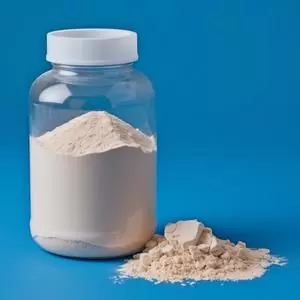
Unlocking Dairy Excellence: How Whey Powder Transforms Yogurt and Ice Cream
The Cornerstone: Increasing Total Solids Content
In the competitive landscape of dairy production, achieving optimal texture, taste, and nutritional value is paramount. A key strategy for enhancing these attributes involves increasing the total solids content in products like yogurt and ice cream. This is where whey powder emerges as a potent and versatile ingredient.
Whey Powder in Yogurt Production: A Multifaceted Approach
The incorporation of whey powder in yogurt production offers numerous advantages, significantly impacting the final product’s characteristics.
Boosting Curd Firmness and Consistency
One of the primary benefits of adding whey powder is its ability to enhance the firmness and consistency of the yogurt curd. The proteins present in whey powder, particularly whey protein concentrate (WPC) and whey protein isolate (WPI), interact with the casein proteins in milk during fermentation. This interaction strengthens the protein network, resulting in a denser, more stable curd.
Combating Syneresis: Minimizing Whey Separation
Syneresis, the undesirable separation of whey from the yogurt solid mass, is a common challenge in yogurt manufacturing. Whey powder helps to mitigate syneresis by increasing the water-binding capacity of the yogurt matrix. The added proteins bind more water, reducing the amount of free whey that can separate during storage. This results in a smoother, more appealing product with extended shelf life.
Enhancing Nutritional Profile and Protein Enrichment
Beyond its textural benefits, whey powder is a valuable source of high-quality protein. Incorporating whey powder significantly boosts the protein content of yogurt, making it a more nutritious choice for consumers. This is particularly appealing to health-conscious individuals and those seeking protein-rich foods.
Cost-Effectiveness and Formulation Flexibility
Whey powder offers a cost-effective way to enhance yogurt quality without significantly increasing production costs. It also provides formulators with greater flexibility in adjusting the protein content and texture of their products to meet specific market demands.
Whey Powder in Ice Cream Production: Elevating Sensory Attributes
The application of whey powder extends beyond yogurt, proving equally valuable in ice cream manufacturing. It contributes to improved texture, stability, and overall sensory appeal.

Refining Texture: Achieving a Smoother Mouthfeel
Whey powder in ice cream formulations contributes to a smoother, more refined texture. The whey proteins bind water and help to create smaller ice crystals during freezing. This results in a creamier mouthfeel and reduces the perception of iciness, a common defect in lower-quality ice cream.
Boosting Melting Resistance: Enhancing Freeze-Thaw Stability
One of the key challenges in ice cream production is maintaining its structure and preventing excessive melting during storage and handling. Whey powder enhances the freeze-thaw stability of ice cream by creating a more stable protein network. This network helps to prevent ice crystal growth and maintains the desired consistency even after repeated freeze-thaw cycles.
Enhancing Creaminess and Flavor Perception
The addition of whey powder can impart a subtle creamy note to ice cream, enhancing its overall flavor profile. While not imparting a strong flavor itself, whey powder can help to round out the other flavors and create a more satisfying sensory experience.
Improving Overrun and Reducing Ice Crystal Size
Overrun, the amount of air incorporated into ice cream, is crucial for achieving a light and airy texture. Whey powder can improve overrun by stabilizing the air bubbles within the ice cream matrix. Furthermore, it helps reduce ice crystal size, contributing to a smoother, less grainy texture.
Selecting the Right Whey Powder: Tailoring to Product Needs
The optimal type of whey powder for a particular application depends on the desired characteristics of the final product and the specific formulation requirements. Two common types of whey powder used in dairy applications are sweet whey powder and demineralized whey powder.
Sweet Whey Powder: A Versatile Option
Sweet whey powder, a byproduct of cheese making, contains a relatively high concentration of lactose. It is a versatile option suitable for a wide range of applications, including yogurt and ice cream. Its lactose content can contribute to sweetness and improve the overall flavor profile. However, its higher mineral content may limit its use in some applications where lower mineral content is desired.
Demineralized Whey Powder: Minimizing Mineral Content
Demineralized whey powder undergoes a process to remove a significant portion of its mineral content. This makes it a preferred choice for applications where minimizing mineral content is crucial, such as infant formula or certain types of yogurt. The lower mineral content can also improve the flavor stability and reduce the risk of unwanted reactions during processing.
Factors to Consider When Choosing Whey Powder:
- Protein content: Select a whey powder with a protein content appropriate for the desired level of protein enrichment.
- Mineral content: Consider the mineral content based on the sensitivity of the product to mineral interactions or flavor changes.
- Lactose content: Factor in the lactose content, especially in products where sweetness is a key attribute.
- Solubility: Ensure that the whey powder has good solubility to prevent clumping and ensure uniform distribution in the product.
- Particle size: Choose a whey powder with a fine particle size for optimal dispersion and texture in the final product.
Elevate Dairy Quality: The Power of Whey Powder
The strategic incorporation of whey powder represents a powerful tool for enhancing the texture, nutritional value, and cost-effectiveness of yogurt and ice cream. By understanding the different types of whey powder and their specific functionalities, dairy manufacturers can unlock the full potential of this versatile ingredient and create superior products that meet the evolving demands of the market. Its uses in the dairy industry is expanding.
Looking to optimize your dairy formulations with high-quality whey powder? Contact Agrocomplex Sp. z o.o. Poland today to explore our wide range of dairy ingredients and discover how we can help you achieve your product development goals. Our team of experts is ready to assist you in selecting the ideal whey powder solution for your specific needs.
Get a wholesale Dry Milk Products supply price right now!
As a professional producer and supplier of Whey Powder, Agrocomplex Sp. z o.o. has been selling Whey Powder in Poland since 1992. Therefore, you can be sure that you are buying Whey Powder from Agrocomplex. Please direct any questions and issues to the email address info@agrocomplex.com.pl, and we will respond within 1 business day.
FAQs: How Whey Powder Transforms Yogurt and Ice Cream
-
Why is whey powder used in yogurt production?
Whey powder is used in yogurt production to boost curd firmness, improve consistency, reduce syneresis (whey separation), enhance the nutritional profile by increasing protein content, and offer cost-effectiveness and formulation flexibility.
-
How does whey powder help in reducing syneresis in yogurt?
Whey powder helps to mitigate syneresis by increasing the water-binding capacity of the yogurt matrix. The added proteins bind more water, reducing the amount of free whey that can separate during storage.
-
What benefits does whey powder provide to ice cream production?
Whey powder contributes to improved texture (smoother mouthfeel), enhanced freeze-thaw stability (boosting melting resistance), enhanced creaminess and flavor perception, improved overrun, and reduced ice crystal size in ice cream.
-
How does whey powder improve the texture of ice cream?
Whey proteins bind water and help to create smaller ice crystals during freezing. This results in a creamier mouthfeel and reduces the perception of iciness.
-
What are the different types of whey powder commonly used in dairy applications?
Two common types are sweet whey powder and demineralized whey powder.
-
What is sweet whey powder and what are its uses?
Sweet whey powder is a byproduct of cheese making, containing a relatively high concentration of lactose. It is suitable for a wide range of applications, including yogurt and ice cream. Its lactose content can contribute to sweetness and improve the overall flavor profile.
-
When should demineralized whey powder be used instead of sweet whey powder?
Demineralized whey powder should be used when minimizing mineral content is crucial, such as in infant formula or certain types of yogurt. The lower mineral content can also improve flavor stability.
-
What factors should be considered when selecting the right whey powder?
Factors to consider include protein content, mineral content, lactose content, solubility, and particle size.
-
How does whey powder enhance the nutritional profile of yogurt?
Whey powder is a valuable source of high-quality protein. Incorporating whey powder significantly boosts the protein content of yogurt, making it a more nutritious choice for consumers.
-
What is Overrun, and how whey powder improving it?
Overrun, the amount of air incorporated into ice cream, is crucial for achieving a light and airy texture. Whey powder can improve overrun by stabilizing the air bubbles within the ice cream matrix.
Our offer