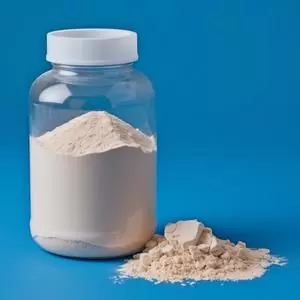
The Indispensable Role of Milk Ingredients in Chocolate: From Texture to Taste
Crafting the Perfect Chocolate: The Milk Ingredient Story
Chocolate, a universally celebrated indulgence, owes much of its appeal to the delicate balance of ingredients. While cocoa solids and cocoa butter form its foundation, milk components play a pivotal role in shaping its flavor, texture, and overall sensory experience. For B2B clients in the confectionery industry, understanding the nuanced impact of different milk ingredients is crucial for optimizing chocolate formulations and creating products that consistently delight consumers. This expert guide explores the transformative effects of various dairy elements, offering insights for technologists and procurement specialists alike.
Dairy’s Diverse Toolkit: Milk Components Unveiled
Several milk-derived components are frequently incorporated into chocolate manufacturing. These include:
- Skimmed Milk Powder (SMP): This is a dried form of milk with a low fat content, offering a concentrated source of milk solids.
- Whole Milk Powder (WMP): WMP retains the full fat content of milk, contributing richness and a creamy mouthfeel.
- Anhydrous Milk Fat (AMF): Also known as butter oil, AMF is nearly pure milk fat, providing a potent source of lipid for improved gloss and melting properties.
- Whey Powder: A byproduct of cheese production, whey powder is a valuable source of lactose and other milk solids, offering potential for cost optimization and texture modification.
Skimmed Milk Powder (SMP) and Whole Milk Powder (WMP): Unveiling the Texture and Flavor Canvas
Impact on Taste Profile
The type and quantity of milk powder used significantly impact the taste profile of the chocolate. SMP, with its lower fat content, tends to impart a cleaner, more pronounced milk flavor, highlighting the cocoa notes. Conversely, WMP, rich in milk fat in chocolate, contributes a richer, creamier taste, masking some of the cocoa’s intensity. For skimmed milk chocolate, SMP is the ingredient of choice, lending a distinct milky flavor without excessive richness.
Influence on Texture and Mouthfeel
The protein content of milk powder plays a crucial role in shaping the chocolate’s texture. Milk proteins interact with cocoa solids and sugar crystals, creating a smoother, more homogenous structure. Higher levels of milk solids can lead to a firmer, more brittle texture, while lower levels may result in a softer, more pliable product. Careful control of the milk powder content is essential for achieving the desired texture.
Considerations for Technologists
- Particle size distribution of the milk powder should be carefully monitored. Finer particles generally result in a smoother texture.
- Moisture content of the milk powder should be low to prevent clumping and ensure proper dispersion in the chocolate mass.
- Heat treatment during milk powder production can impact protein denaturation, which in turn affects the chocolate’s viscosity and texture.
Anhydrous Milk Fat (AMF): The Architect of Melt and Shine
Enhancing Melting Properties
Milk fat in chocolate, primarily in the form of AMF, plays a vital role in determining its melting characteristics. The presence of milk fat lowers the melting point of the chocolate, creating a smooth, luxurious melt-in-your-mouth sensation. This is particularly important for premium chocolates, where a rapid and even melt is highly desirable. AMF also helps to lubricate the chocolate mass, facilitating conching and refining processes.

Boosting Gloss and Appearance
AMF contributes significantly to the gloss and shine of chocolate. During tempering, the milk fat crystals align themselves on the surface of the chocolate, creating a smooth, reflective layer. This enhanced gloss improves the visual appeal of the finished product, making it more attractive to consumers. The correct application of AMF is essential to achieving this desired effect.
Application in the Industry
In the industrial manufacture of Chocolate, AMF is valued for:
- Improving mould release.
- Providing a smooth consistent mouthfeel.
- Helping to create a glossy finish.
Technical Insights
- The fatty acid composition of the AMF influences its melting behavior. AMF with a higher proportion of saturated fatty acids tends to produce a harder, more brittle chocolate.
- Careful control of tempering temperature is crucial for achieving optimal milk fat crystallization and gloss development.
- The addition of other fats, such as vegetable oils, can alter the melting properties of the milk fat, potentially affecting the chocolate’s texture and stability.
Whey Powder: Optimizing Formulations and Managing Costs
The Versatility of Whey Powder
Whey powder in chocolate is a versatile ingredient that can be used to optimize formulations and manage costs. As a byproduct of cheese production, it offers a cost-effective source of lactose and other milk solids. When used judiciously, whey powder can contribute to a smoother texture and improve the flow properties of the chocolate mass.
Managing Lactose Content
It’s important to highlight that does chocolate have lactose? Yes, milk chocolate inherently contains lactose due to the presence of milk solids. However, the amount of lactose can vary depending on the specific milk ingredients used.
Considerations for Lactose Intolerance
Manufacturers catering to consumers with lactose intolerance need to be mindful of the lactose content in their chocolates. Using low-lactose whey powders or alternative dairy ingredients can help to reduce the overall lactose load. It’s also crucial to clearly label products with accurate allergen information.
Optimizing Recipe with Whey
Whey powder can replace other, more expensive ingredients, leading to a reduction in production costs. However, it’s essential to carefully consider the impact on the chocolate’s flavor and texture. Excessive use of whey powder can result in a chalky texture and a less pronounced cocoa flavor.
Important Considerations for Technologists and Buyers
- Quality control is essential to ensure that the whey powder is free from off-flavors and contaminants.
- The type of whey powder (e.g., sweet whey, acid whey, delactosed whey) will influence its functionality in the chocolate formulation.
- Storage conditions should be carefully controlled to prevent moisture absorption and caking of the whey powder.
The Art of Blending Dairy: Crafting Ideal Chocolate
Ultimately, the key to crafting exceptional chocolate lies in the skillful combination of various milk ingredients. By carefully selecting and balancing SMP, WMP, AMF, and whey powder, manufacturers can fine-tune the flavor, texture, and melting properties of their chocolates. This requires a deep understanding of the interplay of these ingredients and a commitment to rigorous quality control.
The role of milk ingredients is pivotal in creating a symphony of flavors and textures that define the finest chocolates. From the creamy richness imparted by milk fat to the textural nuances influenced by milk proteins, each component contributes to the final masterpiece.
For those seeking to elevate their chocolate formulations with premium dairy ingredients, Agrocomplex Sp. z o.o. Poland offers a wide range of high-quality milk powders and AMF products designed to meet the exacting standards of the confectionery industry. Contact us today to explore how our dairy solutions can help you create truly exceptional chocolate.
Get a wholesale Dry Milk Products supply price right now!
As a professional producer and supplier of Milk Ingredients, Agrocomplex Sp. z o.o. has been selling Milk Ingredients in Poland since 1992. Therefore, you can be sure that you are buying Milk Ingredients from Agrocomplex. Please direct any questions and issues to the email address info@agrocomplex.com.pl, and we will respond within 1 business day.
FAQs: Milk Ingredients in Chocolate
-
Why are milk ingredients crucial in chocolate production?
Milk ingredients play a pivotal role in shaping chocolate's flavor, texture, and overall sensory experience. They contribute to creaminess, smoothness, and melting properties.
-
What are the main milk-derived components used in chocolate?
The main milk-derived components include Skimmed Milk Powder (SMP), Whole Milk Powder (WMP), Anhydrous Milk Fat (AMF), and Whey Powder.
-
How does Skimmed Milk Powder (SMP) affect chocolate?
SMP, with its low fat content, imparts a cleaner, more pronounced milk flavor to the chocolate, highlighting the cocoa notes.
-
What impact does Whole Milk Powder (WMP) have on chocolate?
WMP, rich in milk fat, contributes a richer, creamier taste to the chocolate, masking some of the cocoa's intensity.
-
What is the role of Anhydrous Milk Fat (AMF) in chocolate?
AMF lowers the melting point of chocolate, creating a smooth, luxurious melt-in-your-mouth sensation and boosting its gloss and shine.
-
How does Whey Powder contribute to chocolate production?
Whey powder is a cost-effective ingredient that can optimize formulations, manage costs, contribute to a smoother texture, and improve the flow properties of the chocolate mass.
-
Does chocolate contain lactose?
Yes, milk chocolate inherently contains lactose due to the presence of milk solids.
-
How can manufacturers cater to consumers with lactose intolerance?
By using low-lactose whey powders or alternative dairy ingredients to reduce the overall lactose load, and clearly labeling products with accurate allergen information.
-
What should technologists consider when using milk powder in chocolate?
Particle size distribution, moisture content, and heat treatment during milk powder production are important considerations.
-
What factors influence the melting behavior when using AMF?
The fatty acid composition of the AMF, the tempering temperature, and the addition of other fats influence melting behavior.
Our offer