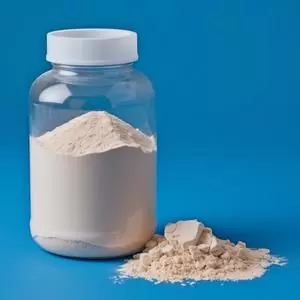
Whey Powder Types (Sweet, Acid, Demineralized): A Comprehensive Application Guide
The Versatility of Whey Powder in Food Manufacturing
In today’s dynamic food industry, whey powder uses in the food industry have become increasingly prevalent due to its nutritional value, functional properties, and cost-effectiveness. This byproduct of cheese and casein production, once considered waste, is now a highly sought-after ingredient. Types of whey powder differ significantly in their production methods, composition, and ultimately, their applications. This guide will delve into the three primary types: sweet whey, acid whey, and demineralized whey, exploring their unique characteristics and diverse applications.
Sweet Whey Powder: The Baking and Confectionery Staple
Sweet whey powder, derived from the production of hard cheeses like cheddar and Swiss, is characterized by its mild, slightly sweet flavor profile.
Sweet Whey Production Process
The production of sweet whey powder begins with the coagulation of milk using rennet or other enzymes during cheesemaking. The liquid whey is then separated from the cheese curds and pasteurized to reduce microbial load. This liquid whey is subsequently concentrated through evaporation and finally spray-dried to produce a fine, free-flowing powder. The key is that the pH during cheesemaking remains relatively high (above 5.6), resulting in the „sweet” characteristic.
Sweet Whey Characteristics
- Flavor: Mild, slightly sweet, and milky.
- Appearance: Creamy white to light yellow powder.
- Composition: Contains lactose, proteins, minerals, and trace amounts of fat. Typically contains around 12-14% protein.
- Solubility: Readily soluble in water.
Applications of Sweet Whey Powder
Sweet whey powder finds extensive sweet whey uses in the food industry due to its functional properties:
- Bakery Products: Improves texture, crust color, and moisture retention in bread, cakes, and cookies. It also acts as a browning agent and enhances flavor.
- Confectionery: Contributes to the texture, structure, and flavor of candies, chocolates, and other confectionery items. It can reduce the amount of sugar needed, offering cost savings and potentially healthier options.
- Processed Foods: Used as a filler, binder, and flavor enhancer in various processed foods, including soups, sauces, and snack foods.
- Beverages: Incorporated into protein shakes, smoothies, and other nutritional beverages to increase protein content and improve texture.
- Dairy Products: Can be added to ice cream and yogurt to improve texture, stability, and nutritional value, acting as a stabilizer.
Acid Whey Powder: A Niche Ingredient for Savory Applications
Acid whey powder is a byproduct of acid-set dairy products, primarily cottage cheese, Greek yogurt, and quark production. Its key differentiating factor is its higher acidity and distinct flavor profile.
Acid Whey Production Process
The production of acid whey differs from sweet whey in the coagulation process. Instead of enzymes, acid (typically lactic acid produced by bacterial fermentation or direct addition of food-grade acids) is used to coagulate the milk proteins. This results in a lower pH (below 5.1) whey stream. The subsequent processing steps (pasteurization, concentration, and spray drying) are similar to those used for sweet whey.

Acid Whey Characteristics
- Flavor: Tangy, acidic, and more pronounced dairy flavor compared to sweet whey.
- Appearance: Can range from white to slightly greenish-yellow.
- Composition: Higher in lactic acid and minerals than sweet whey. Protein content can vary.
- Solubility: Slightly less soluble than sweet whey due to its lower pH.
Applications of Acid Whey Powder
Due to its characteristic tangy flavor, acid whey powder uses are more niche and often found in savory applications. It is a sustainable food ingredient and versatile food component:
- Sauces and Dressings: Provides a unique tangy flavor and contributes to the texture and stability of sauces, dressings, and marinades.
- Fermented Foods: Can be used as a substrate for fermentation processes, enhancing the flavor and texture of fermented products.
- Animal Feed: Often used in animal feed formulations as a source of protein and lactose.
- Bakery Products: In specific bakery applications, acid whey can contribute a unique sourdough-like flavor. Requires careful formulation.
Demineralized Whey Powder: Purity for Sensitive Applications
Demineralized whey powder is produced by removing a significant portion of the minerals from either sweet or acid whey. This process results in a whey powder with a blander flavor and a mineral profile more suitable for specific applications, particularly infant formula.
Demineralization Process
The demineralization of whey typically involves the use of electrodialysis or ion exchange. Electrodialysis uses an electric current to separate mineral ions from the whey. Ion exchange utilizes resins to selectively bind and remove minerals. The degree of demineralization can vary, typically ranging from 40% to 90% depending on the intended application. After demineralization, the whey is concentrated and spray-dried.
Demineralized Whey Characteristics
- Flavor: Bland, slightly milky flavor. Less pronounced than both sweet and acid whey.
- Appearance: White to off-white powder.
- Composition: Significantly lower mineral content compared to sweet and acid whey. Protein and lactose content are typically higher on a dry matter basis. The degree of demineralization is a key specification.
- Solubility: Highly soluble in water.
Applications of Demineralized Whey Powder
The reduced mineral content of demineralized whey powder in food makes it ideal for applications where mineral control is critical:
- Infant Formula: The primary application. Demineralization allows for the adjustment of the mineral content to mimic the mineral profile of human milk, making it suitable for infant consumption.
- Specialized Nutritional Products: Used in specialized medical foods and enteral nutrition products where mineral content needs to be carefully controlled.
- Dairy Products: Can be used in dairy applications to adjust the mineral balance and improve texture.
Choosing the Right Whey Powder: A Quick Guide
Here’s a summary table to help food industry technologists and procurement managers select the appropriate whey powder for their specific needs:
| Whey Powder Type | Flavor Profile | Primary Applications |
|---|---|---|
| Sweet Whey Powder | Mild, slightly sweet | Bakery, confectionery, processed foods, beverages, dairy products |
| Acid Whey Powder | Tangy, acidic | Sauces, dressings, fermented foods, animal feed |
| Demineralized Whey Powder | Bland, slightly milky | Infant formula, specialized nutritional products |
The basics of whey powder and their usage depends heavily on your final application. The correct selection of whey powder can significantly impact the flavor, texture, functionality, and nutritional profile of your products.
Contact Agrocomplex Sp. z o.o. Poland today to discuss your specific whey powder needs. We offer a wide range of high-quality whey powder products to meet your application requirements.
Get a wholesale Dry Milk Products supply price right now!
As a professional producer and supplier of Whey Powder, Agrocomplex Sp. z o.o. has been selling Whey Powder in Poland since 1992. Therefore, you can be sure that you are buying Whey Powder from Agrocomplex. Please direct any questions and issues to the email address info@agrocomplex.com.pl, and we will respond within 1 business day.
FAQs: Whey Powder Types (Sweet, Acid, Demineralized)
-
What are the three main types of whey powder?
The three main types of whey powder are sweet whey powder, acid whey powder, and demineralized whey powder.
-
What is sweet whey powder used for?
Sweet whey powder is commonly used in bakery products, confectionery, processed foods, beverages, and dairy products to improve texture, flavor, and nutritional value.
-
How is acid whey powder different from sweet whey powder?
Acid whey powder has a more tangy and acidic flavor compared to sweet whey powder due to the use of acid instead of enzymes in the coagulation process. It also has a lower pH.
-
What are the primary applications of acid whey powder?
Acid whey powder is primarily used in sauces, dressings, fermented foods, animal feed, and certain bakery applications where its tangy flavor profile is desired.
-
What is demineralized whey powder and why is it used?
Demineralized whey powder has a significant portion of its minerals removed. This makes it ideal for applications like infant formula and specialized nutritional products where mineral content needs to be carefully controlled.
-
How is demineralized whey powder produced?
Demineralized whey powder is produced using electrodialysis or ion exchange processes to remove minerals from either sweet or acid whey.
-
What is the flavor profile of demineralized whey powder?
Demineralized whey powder has a bland, slightly milky flavor, less pronounced than both sweet and acid whey.
-
What are the key characteristics of sweet whey powder?
Sweet whey powder is characterized by its mild, slightly sweet, and milky flavor, creamy white to light yellow appearance, solubility in water, and a composition including lactose, proteins, minerals, and trace amounts of fat.
-
What impacts does whey powder have on food product?
The correct selection of whey powder can significantly impact the flavor, texture, functionality, and nutritional profile of food products.
-
What should food industry technologists consider when choosing whey powder?
Food industry technologists should consider the desired flavor profile, application, and required mineral content when selecting the appropriate type of whey powder.
Our offer