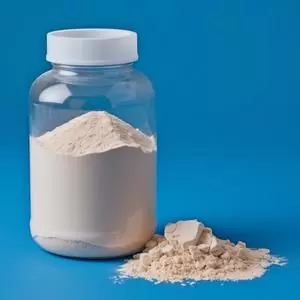
Casein and Cancer: Decoding the Milk Protein Myth
The Origin of the Casein Scare
The belief that casein causes cancer often stems from interpretations of „The China Study” by T. Colin Campbell. While this book explored the relationship between diet and disease, focusing on animal protein (including casein) and its potential link to cancer promotion in rats, its conclusions have been widely debated and, in many cases, refuted by the broader scientific community. It’s crucial to understand the limitations of animal studies and how direct extrapolation to human health can be misleading. The study primarily involved rats subjected to specific, controlled conditions, including exposure to aflatoxin, a potent carcinogen.
The „China Study” Context
- The study used a specific carcinogen (aflatoxin) to initiate cancer development in rodents.
- The research focused on the *correlation* between dietary protein and cancer promotion, but not causation.
- Extrapolating rodent studies directly to humans can be problematic due to physiological differences.
What the Science Actually Says: The Modern Research
Modern research presents a much more nuanced picture of the relationship between casein and cancer. A vast body of evidence suggests that casein, a primary protein in milk, poses no significant cancer risk to humans when consumed as part of a balanced diet. In fact, some studies even indicate potential protective effects of certain milk components.
Comprehensive Reviews and Meta-Analyses
Numerous reviews and meta-analyses, which pool data from multiple studies to draw stronger conclusions, have found no consistent link between dairy consumption, including casein, and increased cancer risk. Some studies have even shown a possible reduced risk of certain cancers, such as colorectal cancer, associated with dairy intake.
- Meta-analyses often provide a broader perspective by combining data from multiple individual studies.
- Reviews summarize current research on a specific topic, highlighting areas of consensus and disagreement.
Specific Cancer Types
Research into specific cancer types has yielded varied results, but overall does not support the claim that casein cancer.
- Breast Cancer: Studies show no increased risk of breast cancer associated with dairy or casein consumption. Some research suggests a potential protective effect.
- Prostate Cancer: Some studies have linked high dairy intake with a slightly increased risk of prostate cancer, but the evidence is inconsistent and confounding factors may play a role. Further research is needed.
- Colorectal Cancer: Several studies suggest that dairy consumption, including casein, may be associated with a reduced risk of colorectal cancer.
Important Considerations
It is essential to differentiate between correlation and causation. Observational studies may identify associations between dietary factors and disease risk, but they cannot prove that one directly causes the other. Confounding factors, such as lifestyle choices, genetics, and overall diet, can also influence cancer risk and must be taken into account.
Dissecting the Arguments Against Casein
Let’s address some of the common arguments made against casein:
IGF-1 and Cancer Growth
One argument suggests that casein increases levels of insulin-like growth factor 1 (IGF-1), a hormone that promotes cell growth, potentially fueling cancer development. While it’s true that casein can increase IGF-1 levels, this increase is generally within a normal physiological range. Moreover, IGF-1 is essential for various bodily functions, including muscle growth and bone health. The link between IGF-1 and cancer is complex and not fully understood, and the modest increase caused by casein consumption is unlikely to significantly impact cancer risk.
Acidity and Inflammation
Another claim asserts that casein creates an acidic environment in the body, promoting inflammation and cancer. This argument is based on the outdated „acid-ash hypothesis,” which has been largely debunked. The body has sophisticated mechanisms to maintain a stable pH balance, regardless of dietary intake. While chronic inflammation is a known risk factor for cancer, there is no evidence that casein consumption directly causes harmful inflammation.

Potential for Casein Protein Side Effects Cancer
The potential side effects attributed to casein are most often related to digestive issues in individuals with lactose intolerance or casein sensitivity. These issues are not directly linked to cancer development.
Milk Products: Safety is the Highest Priority
Regulatory bodies worldwide have thoroughly assessed the safety of milk and dairy products, including casein. The consensus is that these foods are safe for consumption as part of a balanced diet.
FDA Position
In the United States, the Food and Drug Administration (FDA) regulates the production and sale of milk and dairy products to ensure their safety and quality. The FDA has not issued any warnings or restrictions regarding casein consumption and cancer risk.
EFSA Position
The European Food Safety Authority (EFSA) provides independent scientific advice on food-related risks in the European Union. EFSA has also not identified any significant safety concerns regarding casein consumption and cancer risk.
Scientific Consensus on Dairy Safety
- Global regulatory bodies ensure the safety of dairy products through strict guidelines.
- No credible scientific evidence links normal casein consumption to increased cancer risk.
Casein: a Safe Protein
The overwhelming scientific evidence supports the safety of casein consumption. It is a valuable source of high-quality protein, providing essential amino acids needed for muscle building, tissue repair, and overall health. Micellar casein cancer relationship is unproven and often misconstrued.
Casein’s Benefits
- Muscle Growth and Recovery: Casein is a slow-digesting protein, making it ideal for promoting muscle protein synthesis and recovery, especially during periods of rest.
- Satiety and Weight Management: Casein can help promote satiety, which can aid in weight management.
- Bone Health: Dairy products are a good source of calcium and vitamin D, which are essential for bone health.
- Versatility in Applications: Casein plays a vital role in various food science applications.
For Business and Marketing Professionals: The Message Matters
For businesses and marketing professionals in the dairy industry, accurate and responsible communication is essential. Debunking myths surrounding casein and cancer is crucial for building consumer trust and promoting the nutritional benefits of dairy products.
- Focus on communicating the scientific evidence supporting the safety and health benefits of casein.
- Address consumer concerns with accurate information and transparency.
- Highlight the role of dairy products in a balanced and healthy diet.
In Conclusion: Casein is a Safe Protein
The myth linking casein to cancer is not supported by scientific evidence. Casein is a safe and valuable protein that offers numerous health benefits. It is crucial to separate factual information from misinformation and rely on reputable sources of scientific evidence when making dietary choices. The topic of casein protein effects has been thoroughly studied, disproving the cancer link.
For high-quality dry milk products, including casein-rich options, contact Agrocomplex Sp. z o.o. Poland. We are committed to providing safe, nutritious, and delicious dairy products to meet your business needs.
Get a wholesale Dry Milk Products supply price right now!
As a professional producer and supplier of Casein, Agrocomplex Sp. z o.o. has been selling Casein in Poland since 1992. Therefore, you can be sure that you are buying Casein from Agrocomplex. Please direct any questions and issues to the email address info@agrocomplex.com.pl, and we will respond within 1 business day.
FAQs: Casein and Cancer - Decoding the Milk Protein Myth
-
Does casein cause cancer?
No, the myth linking casein to cancer is not supported by scientific evidence. Casein is a safe and valuable protein.
-
Where did the casein-cancer scare originate?
The belief often stems from interpretations of "The China Study," which explored the relationship between diet and disease in rats. However, the study's conclusions have been widely debated and, in many cases, refuted by the broader scientific community as directly applicable to humans.
-
What does modern research say about casein and cancer risk?
Modern research presents a much more nuanced picture, with a vast body of evidence suggesting casein poses no significant cancer risk to humans when consumed as part of a balanced diet. Some studies even indicate potential protective effects of certain milk components.
-
Does casein increase IGF-1 levels and fuel cancer growth?
While casein can increase IGF-1 levels, this increase is generally within a normal physiological range and unlikely to significantly impact cancer risk. IGF-1 is also essential for various bodily functions.
-
Does casein create an acidic environment promoting inflammation and cancer?
This argument is based on the outdated "acid-ash hypothesis," which has been largely debunked. The body has sophisticated mechanisms to maintain a stable pH balance.
-
Are there potential side effects from casein that are linked to cancer?
The potential side effects attributed to casein are most often related to digestive issues in individuals with lactose intolerance or casein sensitivity. These issues are not directly linked to cancer development.
-
What is the position of regulatory bodies like the FDA and EFSA on casein and cancer risk?
Regulatory bodies worldwide, including the FDA and EFSA, have thoroughly assessed the safety of milk and dairy products, including casein, and have not issued any warnings or restrictions regarding casein consumption and cancer risk.
-
Are there any cancer types that are specifically linked to casein consumption?
Research into specific cancer types has yielded varied results, but overall does not support the claim that casein causes cancer. Some studies even suggest a possible reduced risk of certain cancers, such as colorectal cancer, associated with dairy intake.
-
What are the benefits of consuming casein?
Casein is a valuable source of high-quality protein, providing essential amino acids needed for muscle building, tissue repair, bone health, satiety, and overall health. It's also slow-digesting, making it ideal for muscle protein synthesis during rest.
-
Is micellar casein linked to cancer?
The relationship between micellar casein and cancer is unproven and often misconstrued. The overwhelming scientific evidence supports the safety of micellar casein consumption.
Our offer