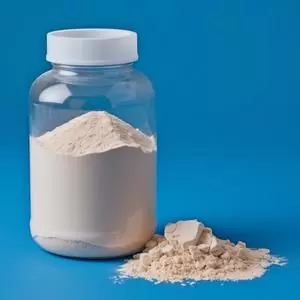
Whey Permeate: A Smart Ingredient for the Food Industry
What is Whey Permeate?
Let’s delve into whey permeate, also known as reduced minerals whey, is a byproduct of whey processing. Specifically, it is obtained after the removal of protein and other valuable components from whey using ultrafiltration or other membrane separation techniques. This process leaves behind a liquid concentrate primarily containing lactose, minerals, and some residual non-protein nitrogen compounds.
Defining Characteristics
Essentially, we’re talking about a deproteinized whey product, offering a unique composition separate from traditional whey or whole milk powders. It is this unique composition that creates opportunities for innovation and cost optimization in a range of applications.
Key Properties of Whey Permeate
Understanding the characteristics of whey permeate is crucial for determining its suitability in various food applications. Here are some key properties to consider:
Flavor Profile: A Salty Edge
Whey permeate possesses a distinctive salty flavor due to its concentration of minerals. This characteristic can be strategically leveraged in savory applications, potentially reducing the need for added salt. However, formulators should carefully evaluate the saltiness level when incorporating permeate into sweet products.
Mineral Source: Enriched with Nutrients
Milk permeate is naturally rich in essential dairy minerals, including calcium, phosphorus, potassium, and magnesium. While the overall mineral content is lower than in whole milk, it can still contribute to the nutritional profile of the final product, particularly in applications where mineral fortification is desired.
Flowability and Handling
In its dry powder form, whey permeate exhibits excellent flowability. This property is advantageous in manufacturing processes, allowing for easy handling, blending, and dispensing. Its granular structure minimizes clumping and bridging, ensuring consistent metering and distribution in dry mixes.
Versatile Applications of Whey Permeate
The unique properties of whey permeate make it a versatile ingredient across a broad spectrum of food applications. It’s important for technologists and procurement teams to understand how it can be implemented.

Culinary Essentials: Soups, Sauces, and Seasonings
Whey permeate’s salty flavor profile makes it a compelling alternative to salt in many savory preparations. Its use in soups, sauces, and seasonings allows manufacturers to reduce sodium content without significantly impacting taste. Additionally, the milk minerals in permeate can contribute to the overall flavor complexity and mouthfeel.
Baked Goods: Achieving Desired Texture and Flavor
In baked goods, whey permeate can be utilized as a partial replacement for lactose or skimmed milk powder (SMP). It can improve browning, enhance crust formation, and contribute to a softer crumb structure. The lactose content of permeate provides a substrate for Maillard reactions, leading to desirable flavor and color development during baking.
Animal Feed: A Cost-Effective Nutrient Source
The high lactose content and mineral composition of whey permeate make it a valuable ingredient in animal feed formulations. It provides a readily available energy source for livestock and supports mineral requirements for growth and development. The inclusion of permeate can help improve palatability and digestibility, leading to enhanced feed consumption and animal performance.
Unlocking Economic Advantages with Whey Permeate
Beyond its functional properties, the strategic use of whey permeate offers significant economic benefits to food manufacturers. By partially substituting more expensive ingredients like skimmed milk powder (SMP), salt, and lactose, manufacturers can substantially reduce production costs without compromising product quality.
Case Study: Cost Savings in Soup Production
Consider a soup manufacturer using 1000 kg of salt per batch. By replacing 20% of the salt with whey permeate, the manufacturer can potentially reduce the salt cost by 20%. Assuming the cost of salt is $1.00/kg and the cost of whey permeate is $0.50/kg, the cost savings per batch would be calculated as follows:
- Salt reduction: 1000 kg * 20% = 200 kg
- Cost savings on salt: 200 kg * $1.00/kg = $200
- Cost of permeate: 200 kg * $0.50/kg = $100
- Net cost savings: $200 – $100 = $100 per batch
Over a year, with 100 batches, the total savings could reach $10,000. This example illustrates the potential for significant cost reduction by incorporating whey permeate into soup formulations.
Case Study: Cost Savings in Bakery Production
Consider a bakery manufacturer using 500 kg of skimmed milk powder per batch. By replacing 10% of the SMP with whey permeate, the manufacturer can potentially reduce the SMP cost. Assuming the cost of SMP is $3.00/kg and the cost of whey permeate is $0.50/kg, the cost savings per batch would be calculated as follows:
- SMP reduction: 500 kg * 10% = 50 kg
- Cost savings on SMP: 50 kg * $3.00/kg = $150
- Cost of permeate: 50 kg * $0.50/kg = $25
- Net cost savings: $150 – $25 = $125 per batch
Over a year, with 50 batches, the total savings could reach $6,250. This example illustrates the potential for significant cost reduction by incorporating whey permeate into bakery formulations.
Whey Permeate: A Smart Choice for Your Production Needs
Whey permeate presents a compelling solution for food manufacturers seeking to optimize production costs without compromising on product quality. Its unique properties and versatile applications make it a valuable ingredient across various sectors, from soups and sauces to baked goods and animal feed. By embracing whey permeate, you can unlock both economic advantages and functional benefits, contributing to the success and sustainability of your business.
For consistent quality and reliable supply of reduced minerals whey products, contact Agrocomplex Sp. z o.o. Poland. Our experts are ready to assist you with the right high-quality dairy ingredients for your recipes.
Get a wholesale Dry Milk Products supply price right now!
As a professional producer and supplier of Whey Permeate, Agrocomplex Sp. z o.o. has been selling Whey Permeate in Poland since 1992. Therefore, you can be sure that you are buying Whey Permeate from Agrocomplex. Please direct any questions and issues to the email address info@agrocomplex.com.pl, and we will respond within 1 business day.
FAQs: Whey Permeate for the Food Industry
-
What is whey permeate?
Whey permeate, also known as milk permeate or reduced minerals whey, is a byproduct of whey processing. It's obtained after removing protein and other valuable components from whey using ultrafiltration or similar techniques. It primarily contains lactose, minerals, and some residual non-protein nitrogen compounds. -
What are the key properties of whey permeate?
Key properties include a salty flavor, a source of minerals (calcium, phosphorus, potassium, magnesium), and excellent flowability in dry powder form. -
What are some applications of whey permeate in the food industry?
Whey permeate can be used in soups, sauces, seasonings, baked goods, and animal feed. -
How can whey permeate reduce sodium content in food products?
Its salty flavor profile allows manufacturers to use it as a partial replacement for salt in savory preparations, thus reducing sodium content without significantly impacting taste. -
How does whey permeate benefit baked goods?
It can improve browning, enhance crust formation, and contribute to a softer crumb structure. The lactose content provides a substrate for Maillard reactions, leading to desirable flavor and color development. -
Why is whey permeate used in animal feed?
Its high lactose content and mineral composition make it a valuable ingredient in animal feed formulations, providing a readily available energy source and supporting mineral requirements. -
What economic advantages does whey permeate offer?
By partially substituting more expensive ingredients like skimmed milk powder (SMP), salt, and lactose, manufacturers can reduce production costs without compromising product quality. -
Can you provide an example of cost savings in soup production using whey permeate?
Replacing 20% of the salt with whey permeate can lead to significant cost savings per batch. For example, a soup manufacturer using 1000 kg of salt per batch can save approximately $100 per batch by using permeate this way. -
Can you provide an example of cost savings in bakery production using whey permeate?
Replacing 10% of the skimmed milk powder (SMP) with whey permeate can lead to significant cost savings per batch. For example, a bakery manufacturer using 500 kg of SMP per batch can save approximately $125 per batch by using permeate this way. -
Where can I find a reliable supplier of whey permeate?
For consistent quality and reliable supply of reduced minerals whey products, contact Agrocomplex Sp. z o.o. Poland.
Our offer