Unlocking the Creamy Secret: Milk Proteins in Ice Cream Production
The Indispensable Role of Protein in Ice Cream
The quest for the perfect scoop of ice cream – that luscious, smooth, and melt-in-your-mouth sensation – begins with understanding the pivotal role of its ingredients. Among these, milk proteins stand out as essential components, influencing everything from the ice cream’s body and texture to its overall stability. This article delves into the technical aspects of using different milk protein sources like Skimmed Milk Powder (SMP), Whey Protein Concentrate (WPC), and caseinates in ice cream manufacturing, providing insights for food technologists and procurement specialists in the European ice cream industry.
Skimmed Milk Powder (SMP): The Foundation of Solids
What is Skimmed Milk Powder?
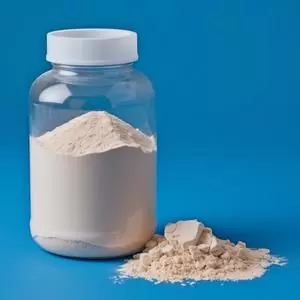
Skimmed Milk Powder (SMP), also known as Nonfat Dry Milk (NFDM), is produced by removing water from pasteurized skim milk. It’s a cost-effective and widely used ingredient in the food industry, and particularly crucial in ice cream formulations.
Impact on Ice Cream’s Body and Texture
SMP contributes significantly to the total solids content of ice cream. This is vital because solids provide structure, preventing a weak, watery final product. A sufficient level of solids helps to create a firm, chewy body. Without enough non-fat milk solids, the ice cream can become icy and coarse. Here’s how SMP influences specific attributes:
- Body: SMP provides the necessary foundation for a firm, stable body. It acts as a matrix, holding the other ingredients together.
- Texture: The proteins in SMP help to create a smooth, creamy texture by binding water and preventing the formation of large ice crystals.
- Mouthfeel: SMP enhances the mouthfeel, providing a richer, fuller sensation on the palate.
Application in Industry and B2B
For ice cream factories, SMP is an economical and readily available source of milk solids-non-fat. Its consistent composition ensures predictable results in large-scale production. Procurement teams in the B2B segment often prioritize SMP due to its cost-effectiveness and reliable performance.
Whey Protein Concentrate (WPC): Enhancing Whipping and Emulsification
Understanding Whey Protein
Whey is a byproduct of cheese manufacturing. Whey Protein Concentrate ( WPC) is derived from whey through various filtration processes, resulting in a product with a concentrated protein content. The degree of concentration can vary, leading to different WPC grades (e.g., WPC34, WPC80).
Improved Whipping Properties
One of the key benefits of WPC in ice cream production is its ability to improve whipping properties. Whey protein in ice cream helps increase the overrun – the amount of air incorporated into the ice cream mix during freezing. This leads to a lighter, fluffier texture.
- Overrun Enhancement: WPC proteins stabilize the air bubbles formed during whipping, preventing their collapse and resulting in a higher overrun.
- Texture Refinement: The smaller ice crystals formed in the presence of WPC contribute to a smoother, less icy texture.
Superior Emulsification
WPC exhibits excellent emulsifying properties which are critical for the stability of the ice cream emulsion. It helps to disperse fat globules evenly throughout the mix, preventing them from coalescing and creating a greasy or grainy texture.
- Fat Globule Stabilization: WPC proteins coat the fat globules, preventing them from clumping together.
- Reduced Fat Separation: This stabilization reduces the risk of fat separation during storage, maintaining the ice cream’s smooth consistency.
Trends in the Ice Cream Industry
With increasing consumer demand for healthier options, WPC is gaining popularity in the ice cream industry. Its high protein content aligns with the current market trends towards healthier and functional foods. Furthermore, it can be used to partially replace SMP, allowing manufacturers to adjust the nutritional profile of their products.
Caseinates: Stabilizing the Structure for Lasting Quality
What are Caseinates?
Caseinates are derived from casein, the primary protein found in milk. They are produced by reacting casein with an alkali, such as sodium or calcium hydroxide. This process modifies the casein molecules, making them more soluble and functional in food applications.
Enhanced Structural Stability
Caseinates are renowned for their exceptional stabilizing properties in ice cream. They form a strong protein network that helps to prevent syneresis (whey separation) and maintain the ice cream’s shape and texture during storage and temperature fluctuations.
- Prevents Syneresis: The strong protein network created by caseinates traps water within the ice cream matrix, preventing the formation of icy crystals and whey separation.
- Shape Retention: Caseinates help the ice cream maintain its shape even after thawing and refreezing, reducing the risk of shrinkage or deformation.
Casein in ice cream
The use of caseinates is particularly beneficial in long-term storage and in products that are subjected to multiple freeze-thaw cycles. Calcium caseinate is mostly used to stabilize the product.
Cost optimization
Like SMP, caseinates can contribute to reduced costs, but the manufacturer gains more stabilization in the product.
Avoiding Defects: The Importance of Proper Formulation
Ice Crystal Formation
One of the most common defects in ice cream is the formation of large ice crystals, resulting in a grainy or icy texture. This can be minimized by:
- Using an adequate amount of solids, including milk proteins, to bind water.
- Ensuring rapid freezing to promote the formation of small ice crystals.
- Maintaining proper storage temperatures to prevent ice crystal growth.
Sandiness
Sandiness is another undesirable defect, characterized by a gritty texture due to the precipitation of lactose crystals. This can be prevented by:
- Controlling the lactose content of the ice cream mix.
- Adding stabilizers, such as carboxymethyl cellulose (CMC) or locust bean gum (LBG), to inhibit lactose crystallization.
- Properly pasteurizing the mix.
Importance of Right Ingredients.
Selecting the correct dairy components in right amount is crucial for quality ice cream. Depending on the desired texture, mouthfeel and stability one of the protein sources needs to be prioritized. To improve cost-effectiveness, different protein sources can be mixed.
Agrocomplex: Your Partner in Quality Dairy Ingredients
Achieving the perfect ice cream texture, flavor, and stability requires a deep understanding of the roles of various ingredients, particularly milk proteins. By carefully selecting and incorporating SMP, WPC, and caseinates, ice cream makers can create products that delight consumers and stand out in the competitive market.
Agrocomplex Sp. z o.o. Poland is a trusted supplier of high-quality dairy ingredients. We offer a wide range of SMP, WPC, and caseinates tailored to meet the specific needs of the ice cream industry. Contact us today to learn how our products can help you create exceptional ice cream that meets the highest standards of quality and taste.
Get a wholesale Dry Milk Products supply price right now!
As a professional producer and supplier of Milk Proteins, Agrocomplex Sp. z o.o. has been selling Milk Proteins in Poland since 1992. Therefore, you can be sure that you are buying Milk Proteins from Agrocomplex. Please direct any questions and issues to the email address info@agrocomplex.com.pl, and we will respond within 1 business day.
FAQs: Milk Proteins in Ice Cream Production
-
Why are milk proteins important in ice cream production?
Milk proteins are essential for ice cream's body, texture, and stability. They influence the firmness, smoothness, and resistance to melting, contributing to the overall quality and sensory experience.
-
What is Skimmed Milk Powder (SMP) and what role does it play in ice cream?
Skimmed Milk Powder (SMP) is produced by removing water from pasteurized skim milk. It provides solids that give ice cream structure, preventing a watery product and creating a firm, chewy body. It also enhances texture and mouthfeel.
-
How does Whey Protein Concentrate (WPC) improve ice cream?
WPC enhances whipping properties, leading to a lighter, fluffier texture due to increased overrun (air incorporation). It also improves emulsification, stabilizing fat globules and preventing a grainy texture. It can also contribute to a healthier nutritional profile.
-
What are caseinates and how do they benefit ice cream?
Caseinates are derived from casein and are known for their exceptional stabilizing properties. They prevent syneresis (whey separation), maintain shape during storage and temperature fluctuations, and are beneficial for long-term storage.
-
What causes ice crystal formation in ice cream, and how can it be prevented?
Ice crystal formation is caused by insufficient solids binding water, slow freezing, or improper storage. It can be minimized by using adequate solids (including milk proteins), ensuring rapid freezing, and maintaining proper storage temperatures.
-
What is sandiness in ice cream, and how can it be avoided?
Sandiness is a gritty texture caused by lactose crystal precipitation. It can be prevented by controlling lactose content, adding stabilizers like CMC or LBG, and properly pasteurizing the mix.
-
Can different milk protein sources be mixed in ice cream production?
Yes, different protein sources can be mixed to improve cost-effectiveness and achieve a desired balance of texture, mouthfeel, and stability.
-
How does WPC contribute to healthier ice cream options?
WPC's high protein content aligns with current market trends toward healthier and functional foods and can be used to partially replace SMP, allowing manufacturers to adjust the nutritional profile.
-
Why is emulsification important in ice cream?
Emulsification is critical for the stability of the ice cream emulsion. It helps to disperse fat globules evenly throughout the mix, preventing them from coalescing and creating a greasy or grainy texture.
-
What factors contribute to the overall stability of ice cream during storage?
The overall stability of ice cream during storage is influenced by the type and amount of milk proteins used, the presence of stabilizers, proper pasteurization, appropriate storage temperatures, and preventing temperature fluctuations.
Our offer