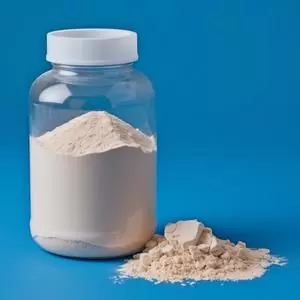
Unlocking Premium Sales: Clean Label & Native Whey Protein
The Rising Demand for Transparency: „Clean Label” Explained
The „Clean Label” movement is no longer a niche trend; it’s a powerful force reshaping the food and beverage industry. Consumers are increasingly demanding transparency and simplicity in the products they consume. They want to know exactly what ingredients are in their food, where those ingredients come from, and how they are processed.
Why „Clean Label” Matters to Consumers
- Ingredient Awareness: Modern consumers are more educated and actively research ingredients, seeking to avoid artificial additives, preservatives, and GMOs.
- Health and Wellness: „Clean Label” products are often perceived as healthier and more natural, aligning with the growing focus on overall well-being.
- Trust and Transparency: Consumers are building trust with brands that are open and honest about their ingredients and processes. Lack of transparency can quickly erode customer loyalty.
- Purchase Decision Driver: „Clean Label” attributes significantly influence purchasing decisions, with many consumers willing to pay a premium for products that meet their standards.
The Business Impact of Ignoring „Clean Label”
Ignoring the „Clean Label” trend can have significant negative consequences. Brands risk alienating a growing segment of health-conscious consumers, losing market share to competitors who embrace transparency, and facing increased scrutiny from regulatory bodies regarding labeling practices. Ultimately, failing to adopt a „Clean Label” strategy can hinder growth and damage brand reputation.
Native Whey Protein: Perfect Alignment with „Clean Label”
Native whey protein perfectly embodies the „Clean Label” philosophy, offering a distinct advantage over traditional whey protein. It is sourced directly from milk, rather than being a byproduct of cheese production, resulting in a minimally processed whey protein. This streamlined production process translates into a purer, more natural product that resonates with the demands of today’s discerning consumers.
The Key Differences: Native Whey vs. Traditional Whey
- Source: Native whey protein is derived directly from skim milk, while traditional whey protein is a byproduct of cheese manufacturing.
- Processing: Native whey undergoes fewer processing steps, preserving its natural structure and nutritional integrity. Traditional whey often involves heat treatment and other processes that can denature the protein.
- Amino Acid Profile: Native whey typically boasts a superior amino acid profile, notably higher levels of leucine, a key amino acid for muscle protein synthesis.
- Purity: Due to its direct sourcing and minimal processing, native whey protein is generally purer and contains fewer impurities than traditional whey.
„Clean Label” Benefits of Clean Label Whey Protein
- Minimal Processing: The reduced processing aligns perfectly with the „Clean Label” desire for simpler, more natural ingredients.
- Natural Source: Sourced directly from milk, native whey boasts a natural origin that appeals to health-conscious consumers.
- Enhanced Nutritional Value: The preserved amino acid profile and purity offer superior nutritional benefits compared to traditional whey.
- Transparency: The clear and straightforward production process allows for transparent communication about the product’s origins and manufacturing.
Crafting a Premium Position with Native Whey Protein Clean Label
The combination of native whey protein and a „Clean Label” approach provides a powerful foundation for building a premium brand in the sports nutrition market. By highlighting the purity, natural source, and superior nutritional value of native whey, brands can effectively differentiate themselves from competitors and command a higher price point.

Keys to Effective Premium Positioning
- Target Audience: Define your ideal customer – health-conscious athletes, fitness enthusiasts, or individuals seeking natural protein sources. Understanding their needs and preferences is crucial.
- Unique Selling Proposition (USP): Clearly articulate what makes your product superior. Emphasize the purity of native whey protein, the benefits of minimal processing, and the superior amino acid profile.
- Branding and Packaging: Invest in premium branding and packaging that reflects the quality and natural appeal of your product. Use transparent labeling to showcase the „Clean Label” attributes.
- Marketing and Communication: Craft compelling marketing messages that resonate with your target audience. Focus on the benefits of native whey for muscle recovery, performance, and overall health.
- Pricing Strategy: Set a premium price point that reflects the superior quality and value of your product. Justify the higher price by emphasizing the „Clean Label” advantages and nutritional benefits.
Building Trust Through Transparency
In the „Clean Label” era, transparency is paramount. Be open and honest about your sourcing, processing, and ingredients. Provide detailed information on your website, through social media, and on your product packaging. Consider obtaining third-party certifications to further validate your claims and build consumer trust. Share the story behind your minimally processed whey protein and let consumers know about the care that goes into ensuring top-quality nutrition.
Marketing Messages that Resonate: Engaging the Consumer
Effective marketing messages are crucial for communicating the benefits of native whey protein and the „Clean Label” advantage to consumers. Focus on clear, concise language that highlights the key selling points and resonates with your target audience. Remember to use simple descriptions that demonstrate the ingredient is derived from natural sources and processed responsibly.
Sample Marketing Messages
- Headline: „Fuel Your Body with the Power of Native Whey Protein. Naturally.”
- Body Copy: „Experience the purest form of whey protein. Sourced directly from milk and minimally processed to preserve its natural goodness. Free from artificial additives, sweeteners, and GMOs.”
- Social Media Post: „Upgrade your protein shake with our Clean Label Native Whey! Packed with essential amino acids for optimal muscle recovery and performance.”
- Packaging Claim: „Clean Label. Native Whey. Superior Nutrition.”
- Website Description: „Our Native Whey Protein is sourced directly from milk and undergoes minimal processing to preserve its natural structure and nutritional integrity. It’s the perfect choice for athletes and health-conscious individuals who demand the best.”
Highlighting Key Selling Points
- Purity: Emphasize the purity of native whey protein and its lack of artificial additives. Use phrases like „pure and natural,” „free from artificial ingredients,” and ” cleanest whey protein available.”
- Source: Highlight the direct sourcing from milk and the avoidance of cheese production byproducts. Use phrases like „sourced directly from milk,” „from pasture to protein,” and „naturally derived.”
- Processing: Showcase the minimal processing and the preservation of natural nutrients. Use phrases like „minimally processed,” „preserved amino acid profile,” and „gentle filtration.”
- Benefits: Focus on the benefits for muscle recovery, performance, and overall health. Use phrases like „optimal muscle recovery,” „enhanced performance,” and „complete protein source.”
„Clean Label” as a Catalyst: Driving Sales Growth
Embracing the „Clean Label” trend and utilizing clean label whey protein like native whey is not just a marketing strategy; it’s a catalyst for sales growth. By aligning with consumer values, building trust through transparency, and offering a superior product, brands can unlock new opportunities and capture a larger share of the sports nutrition market.
How „Clean Label” Drives Sales
- Increased Consumer Demand: The growing demand for „Clean Label” products is creating a larger market for brands that embrace transparency and simplicity.
- Premium Pricing: Consumers are willing to pay a premium for „Clean Label” products that offer superior quality and nutritional value.
- Brand Loyalty: Building trust through transparency fosters stronger brand loyalty and repeat purchases.
- Competitive Advantage: Differentiating yourself with „Clean Label” attributes can provide a significant competitive advantage in a crowded market.
Future-Proofing Your Brand
The „Clean Label” movement is more than a passing fad; it’s a fundamental shift in consumer expectations. By embracing transparency, simplicity, and natural ingredients, brands can future-proof their businesses and build lasting relationships with their customers. Investing in minimally processed whey protein and communicating its benefits effectively is a crucial step in achieving long-term success.
For high-quality dry milk products that align with the „Clean Label” trend and meet the demands of today’s health-conscious consumers, contact Agrocomplex Sp. z o.o. Poland. Our expertise and commitment to quality can help you create premium sports nutrition products that stand out in the market.
Get a wholesale Dry Milk Products supply price right now!
As a professional producer and supplier of Native Whey, Agrocomplex Sp. z o.o. has been selling Native Whey in Poland since 1992. Therefore, you can be sure that you are buying Native Whey from Agrocomplex. Please direct any questions and issues to the email address info@agrocomplex.com.pl, and we will respond within 1 business day.
FAQs: Clean Label & Native Whey Protein
-
What does "Clean Label" mean?
"Clean Label" refers to the growing consumer demand for transparency and simplicity in food and beverage products. Consumers want to know exactly what ingredients are in their food, where they come from, and how they are processed.
-
Why is "Clean Label" important to consumers?
"Clean Label" matters because consumers are more aware of ingredients, focused on health and wellness, seek trust and transparency from brands, and are influenced by "Clean Label" attributes when making purchasing decisions.
-
What is Native Whey Protein?
Native whey protein is a form of whey protein sourced directly from milk, rather than being a byproduct of cheese production. This results in a minimally processed, purer, and more natural product.
-
How does Native Whey Protein differ from traditional Whey Protein?
Native whey is sourced directly from skim milk, undergoes fewer processing steps, boasts a superior amino acid profile (higher in leucine), and has greater purity compared to traditional whey.
-
What are the "Clean Label" benefits of Native Whey Protein?
Native whey's minimal processing, natural source, enhanced nutritional value, and transparent production process align perfectly with the "Clean Label" philosophy.
-
How can brands effectively position Native Whey Protein as a premium product?
By defining a target audience, articulating a unique selling proposition, investing in branding and packaging, crafting compelling marketing messages, and setting a premium pricing strategy.
-
Why is transparency important in the "Clean Label" era?
Transparency builds consumer trust. Brands should be open about their sourcing, processing, and ingredients, providing detailed information on their website, social media, and product packaging.
-
What are some sample marketing messages for Native Whey Protein?
Examples include: "Fuel Your Body with the Power of Native Whey Protein. Naturally," "Experience the purest form of whey protein," and "Clean Label. Native Whey. Superior Nutrition."
-
How does embracing "Clean Label" with Native Whey Protein drive sales growth?
It increases consumer demand, allows for premium pricing, fosters brand loyalty, and provides a competitive advantage.
-
Why is "Clean Label" more than just a passing fad?
The "Clean Label" movement represents a fundamental shift in consumer expectations. By embracing transparency and natural ingredients, brands can future-proof their businesses and build lasting relationships with customers.
Our offer