Unlocking Baking Excellence: How Whey Powder Elevates Quality and Extends Shelf Life
The Power of Whey Powder in Baking
In the competitive world of baking, achieving consistent quality, desirable textures, and extended shelf life are paramount. Whey powder, a byproduct of cheese production, emerges as a versatile and cost-effective ingredient capable of revolutionizing baking practices. This article delves into the multifaceted benefits of incorporating whey powder in baking, providing practical insights for technologists and procurement specialists alike.
What is Whey Powder?
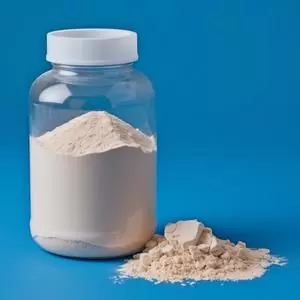
Whey powder is derived from the liquid remaining after milk has been curdled and strained during cheese making. It is then dried to a powdered form, retaining many valuable nutrients. The composition varies depending on the cheesemaking process, but it generally contains lactose, proteins, minerals, and vitamins.
Types of Whey Powder
- Sweet Whey Powder: Derived from the production of hard cheeses like cheddar or Swiss. It has a mild, sweet flavor.
- Acid Whey Powder: A byproduct of acid-set cheeses like cottage cheese or ricotta. It has a tangier, more acidic flavor. Its application in baking requires careful consideration due to its acidity.
- Demineralized Whey Powder: Processed to reduce mineral content, resulting in a cleaner flavor and improved functionality in certain applications.
Boosting Crust Color and Appearance
The visual appeal of baked goods is crucial for attracting consumers. Whey powder in bread plays a significant role in enhancing crust color and overall appearance.
The Maillard Reaction: A Key to Golden Brown
The Maillard reaction in baking, a chemical reaction between amino acids and reducing sugars, is responsible for the desirable browning of crusts. Lactose, a key component of whey powder, is a reducing sugar that actively participates in this reaction. By adding whey powder to your dough, you provide an extra source of lactose, accelerating the Maillard reaction and resulting in a richer, more appealing golden-brown crust. This effect is particularly noticeable in breads and rolls.
Achieving Consistent Color
Using a consistent amount of whey powder ensures uniform crust color across batches, enhancing the professional look of your products. This is especially important for commercially produced baked goods where consistent appearance is a key factor in consumer perception.
Enhancing Texture and Softness of the Crumb
Beyond appearance, the texture of the crumb is essential for a satisfying eating experience. Whey powder contributes significantly to improving the texture and perceived softness of baked goods.
Water Binding Capacity
Whey proteins have excellent water-binding properties. When added to dough, they absorb and retain moisture, leading to a more hydrated crumb. This increased hydration results in a softer, more pliable texture that is less prone to drying out.
Improved Dough Handling
The addition of whey powder can also improve dough handling. The increased water absorption can create a less sticky and more manageable dough, making it easier to shape and work with. This is especially beneficial in high-volume baking operations.
Gluten Strengthening
Whey proteins can interact with gluten, strengthening the gluten network. This enhanced gluten structure provides better support for the dough during rising, resulting in a more consistent and even crumb structure. The inclusion of whey powder leads to baked goods with a finer, more uniform texture.

Extending Shelf Life: A Key Benefit
Reducing staling and extending shelf life are crucial for minimizing waste and maximizing profitability. Using whey powder in baking contributes significantly to achieving these goals.
Moisture Retention
As mentioned earlier, the water-binding properties of whey powder are key to its shelf-life-extending capabilities. By retaining moisture within the crumb, whey powder helps to prevent staling and dryness. This results in baked goods that remain softer and more palatable for a longer period.
Slowing Down Staling
Staling is a complex process involving changes in the starch molecules within the bread. Whey powder is believed to interfere with this process, slowing down the recrystallization of starch and delaying the onset of staling. This means that bread made with whey powder will maintain its fresh texture for a longer time.
Nutritional Enrichment
Beyond its functional benefits, benefits of whey powder in baking also adds nutritional value to baked goods.
Protein Source
Whey protein in bread is a complete protein source, containing all the essential amino acids the body needs. Adding whey powder to baked goods increases their protein content, making them a more nutritious and satisfying option. This is particularly appealing to health-conscious consumers.
Calcium Boost
Whey powder is also a source of calcium, an essential mineral for bone health. Fortifying baked goods with whey powder provides an added nutritional benefit, making them a more appealing choice for consumers seeking calcium-rich foods.
Dosage Recommendations for Various Baked Goods
The optimal dosage of whey powder will vary depending on the type of baked good and the desired effect. Here are some general recommendations:
- Bread: 2-5% of flour weight. This will enhance crust color, improve crumb texture, and extend shelf life.
- Sweet Doughs (Rolls, Buns): 3-6% of flour weight. This will add richness, improve softness, and enhance browning.
- Cookies and Biscuits: 5-10% of flour weight. This can contribute to a more tender and delicate texture, as well as improve spread.
Considerations for Acid Whey
When using acid whey powder in baking, be mindful of its acidity. It may be necessary to adjust the recipe to compensate for the increased acidity, such as reducing the amount of added acid or increasing the amount of baking soda.
Experimentation is Key
The best way to determine the optimal dosage of whey powder for your specific products is to experiment and adjust the recipe according to your desired results. Start with a lower dosage and gradually increase it until you achieve the desired effects on texture, color, and shelf life.
Whey Powder: A Cost-Effective Solution
In summary, whey powder offers a range of benefits for bakers, from enhanced crust color and improved crumb texture to extended shelf life and nutritional enrichment. Its cost-effectiveness makes it an attractive option for improving product quality without significantly increasing production costs. By carefully considering the type of whey powder and adjusting the dosage accordingly, bakers can unlock its full potential and create superior baked goods.
To source high-quality whey powder and other dairy ingredients for your baking needs, contact Agrocomplex Sp. z o.o. Poland. We offer a wide range of dairy products to help you achieve baking excellence.
Get a wholesale Dry Milk Products supply price right now!
As a professional producer and supplier of Whey Powder, Agrocomplex Sp. z o.o. has been selling Whey Powder in Poland since 1992. Therefore, you can be sure that you are buying Whey Powder from Agrocomplex. Please direct any questions and issues to the email address info@agrocomplex.com.pl, and we will respond within 1 business day.
FAQs: How Whey Powder Elevates Quality and Extends Shelf Life
-
What is whey powder and where does it come from?
Whey powder is a byproduct of cheese production. It's derived from the liquid remaining after milk has been curdled and strained. This liquid is then dried into a powdered form, retaining valuable nutrients like lactose, proteins, minerals, and vitamins.
-
How does whey powder enhance the crust color of baked goods?
Whey powder contains lactose, a reducing sugar that actively participates in the Maillard reaction. This reaction, between amino acids and reducing sugars, is responsible for the desirable browning of crusts. Adding whey powder accelerates this reaction, resulting in a richer, more appealing golden-brown color.
-
What effect does whey powder have on the texture of baked goods?
Whey powder contributes to a softer, more pliable texture due to its water-binding properties. Whey proteins absorb and retain moisture, leading to a more hydrated crumb that is less prone to drying out. It can also strengthen the gluten network, resulting in a finer, more uniform texture.
-
How does whey powder extend the shelf life of baked goods?
The water-binding properties of whey powder help retain moisture within the crumb, preventing staling and dryness. Whey powder is also believed to interfere with the recrystallization of starch, slowing down the overall staling process.
-
What are the nutritional benefits of using whey powder in baking?
Whey powder is a complete protein source, containing all the essential amino acids. It also provides a boost of calcium, an essential mineral for bone health.
-
What is the recommended dosage of whey powder for bread?
For bread, a dosage of 2-5% of flour weight is generally recommended. This will enhance crust color, improve crumb texture, and extend shelf life.
-
What is the recommended dosage of whey powder for cookies and biscuits?
For cookies and biscuits, a dosage of 5-10% of flour weight is generally recommended. This can contribute to a more tender and delicate texture, as well as improve spread.
-
What is acid whey powder and how does it differ from sweet whey powder?
Acid whey powder is a byproduct of acid-set cheeses like cottage cheese or ricotta, while sweet whey powder is derived from the production of hard cheeses like cheddar or Swiss. Acid whey powder has a tangier, more acidic flavor compared to the mild, sweet flavor of sweet whey powder.
-
Are there any considerations when using acid whey powder in baking?
Yes, when using acid whey powder, be mindful of its acidity. It may be necessary to adjust the recipe to compensate for the increased acidity, such as reducing the amount of added acid or increasing the amount of baking soda.
-
Is whey powder a cost-effective ingredient for baking?
Yes, whey powder is a cost-effective option for improving product quality without significantly increasing production costs. It offers a range of benefits, from enhanced crust color and improved crumb texture to extended shelf life and nutritional enrichment.
Our offer