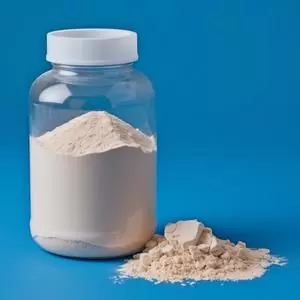
Native Whey: How This Trend Is Reshaping Sports Nutrition
Native Whey: A New Paradigm in Protein
The sports nutrition industry is in constant evolution, with consumers always searching for the next best thing. One of the most promising advancements in recent years is Native Whey Protein, also sometimes referred to as native whey. But what is native whey, and how does it differ from the conventional whey protein found in most supplements? This article will explore the unique characteristics of native whey protein, its advantages, marketing potential, and its place in the current market.
Difference Between Native Whey and Regular Whey
Traditional whey protein, a byproduct of cheese production, undergoes pasteurization and several processing steps. Native Whey Protein, on the other hand, is derived directly from skimmed milk using advanced filtration techniques. This means it avoids the heat treatment and harsh chemical processes that can denature proteins in regular whey. The process of obtaining whey protein native is very important.
- Native whey protein is sourced directly from milk, not from cheese-making byproducts.
- Gentle processing methods, such as microfiltration and ultrafiltration, preserve the protein’s natural structure.
- Minimized heat exposure prevents protein denaturation, ensuring higher biological value.
The Edge for Consumers: Benefits of Native Whey
The differences in processing translate into significant benefits for consumers. Understanding these benefits is key to effectively marketing products made with native whey protein isolate.
Superior Protein Quality
Because it is processed gently, native whey retains a higher concentration of essential amino acids, including leucine, which is crucial for muscle protein synthesis. The pure native protein structure delivers maximum nutritional value.
Improved Bioavailability
The undamaged protein structure of native protein makes it easier for the body to digest and absorb, leading to better muscle recovery and growth. This is the importance of bioavailability.
Cleaner Taste and Texture
Many consumers report that native whey protein products have a cleaner, more natural taste compared to conventional whey protein. This makes it ideal for use in a variety of applications, from protein shakes to functional foods.
Minimally Processed
For health-conscious consumers, the fact that what is a native protein is minimally processed is a major selling point. It aligns with the growing demand for “clean label” products.
Marketing Potential: Standing Out from the Crowd
In a crowded market, differentiation is key. Using native whey as an ingredient can provide a significant competitive advantage. By leveraging its unique attributes, brands can attract consumers who prioritize quality, purity, and performance. Here’s how:
Highlighting the “Native” Advantage
Clearly communicate the benefits of native whey vs regular whey on product packaging and in marketing materials. Emphasize the direct-from-milk sourcing and gentle processing methods. Use phrases like „Undenatured Protein,” „Cold-Filtered,” and „Minimally Processed.”
Targeting Specific Consumer Segments
Native whey protein appeals to several key consumer segments:
- Performance Athletes: Emphasize the superior protein quality and bioavailability for enhanced muscle recovery and growth.
- Health-Conscious Consumers: Highlight the clean label and minimally processed nature of the product.
- Consumers Seeking Premium Products: Position native whey protein isolate as a high-end, superior-quality ingredient.

Creating Premium Products
Develop innovative products that showcase the unique properties of native whey. This could include protein powders with enhanced flavor profiles, ready-to-drink shakes, or functional foods like protein bars and snacks.
Transparency and Traceability
Consumers are increasingly demanding transparency about the origins and processing of their food. Provide detailed information about your native milk sourcing and manufacturing processes. This can build trust and loyalty.
Market Landscape: The Rise of „Clean Label”
The demand for health and wellness products is greater than ever, and a key driver of this growth is the „clean label” trend. Consumers are seeking products with simple, recognizable ingredients and minimal processing. Сывороточные белки (WPC, WPI, Native) like native whey protein perfectly aligns with this trend.
What is „Clean Label”?
„Clean label” is a consumer-driven movement that emphasizes transparency, natural ingredients, and minimal processing.
How Native Whey Fits In
Is native whey a clean fit? Absolutely. Its direct-from-milk sourcing and gentle processing resonate perfectly with consumers seeking natural, minimally processed protein sources.
Meeting Consumer Demand
By incorporating native whey protein into your product offerings, you can cater to the growing demand for clean label products and capture a larger share of the market.
Investing in the Future: Why Native Whey Matters
Integrating native whey protein into your product line is more than just following a trend; it’s an investment in the future of your brand. By offering consumers a superior-quality, minimally processed protein source, you can build trust, loyalty, and a reputation for innovation. This is especially important for brand ROI.
Building Brand Equity
Offering products made with native whey can differentiate your brand from competitors and enhance its perceived value. Consumers are willing to pay a premium for quality and purity.
Long-Term Growth
The demand for clean label and minimally processed foods is expected to continue to grow in the coming years. By investing in native whey protein now, you can position your brand for long-term success.
A Strategic Advantage
Embracing native whey protein is a proactive step toward meeting evolving consumer demands and securing a competitive advantage in the dynamic sports nutrition market. For business owners and marketers, understanding and leveraging this ingredient is crucial.
For manufacturers of high-quality native whey, consider reaching out to Agrocomplex Sp. z o.o. Poland! We supply top-grade dairy ingredients tailored to your needs. Contact us to learn more about our native whey protein offerings.
Get a wholesale Dry Milk Products supply price right now!
As a professional producer and supplier of Native Whey, Agrocomplex Sp. z o.o. has been selling Native Whey in Poland since 1992. Therefore, you can be sure that you are buying Native Whey from Agrocomplex. Please direct any questions and issues to the email address info@agrocomplex.com.pl, and we will respond within 1 business day.
FAQs: Native Whey for Sports Nutrition
-
What is Native Whey Protein?
Native Whey Protein is a form of whey protein derived directly from skimmed milk using advanced filtration techniques, avoiding the heat treatment and harsh chemical processes used in traditional whey protein production.
-
How does Native Whey differ from regular whey protein?
Unlike regular whey, which is a byproduct of cheese production and undergoes pasteurization, Native Whey is sourced directly from milk. It also uses gentle processing methods (microfiltration and ultrafiltration) to preserve the protein's natural structure, minimizing heat exposure.
-
What are the key benefits of Native Whey?
Native Whey offers superior protein quality, improved bioavailability, a cleaner taste and texture, and is minimally processed, making it a great choice for consumers who prioritize quality and purity.
-
Why is Native Whey considered a "clean label" product?
Native Whey fits well with the "clean label" trend because of its direct-from-milk sourcing and gentle processing, resonating with consumers who seek natural, minimally processed protein sources.
-
Does Native Whey contain more essential amino acids?
Yes, because Native Whey is processed gently, it retains a higher concentration of essential amino acids, including leucine, which is crucial for muscle protein synthesis.
-
Who is Native Whey protein ideal for?
Native Whey appeals to performance athletes seeking enhanced muscle recovery and growth, health-conscious consumers prioritizing clean labels, and consumers looking for premium, high-quality supplements.
-
What processing methods are used to obtain Native Whey?
Native Whey is obtained using gentle processing methods such as microfiltration and ultrafiltration. This preserves the protein's natural structure and avoids heat denaturation.
-
How can brands market products containing Native Whey?
Brands can highlight the "Native" advantage by communicating the direct-from-milk sourcing and gentle processing, targeting specific consumer segments, creating premium products with enhanced flavor profiles, and ensuring transparency and traceability.
-
How does improved bioavailability help with muscle growth?
The undamaged protein structure makes it easier for the body to digest and absorb, leading to better muscle recovery and growth.
-
Why is it important to provide detailed information about Native Milk sourcing?
Consumers are increasingly demanding transparency about the origins and processing of their food. Providing detailed information about the sourcing and manufacturing processes helps to build trust and loyalty.
Our offer