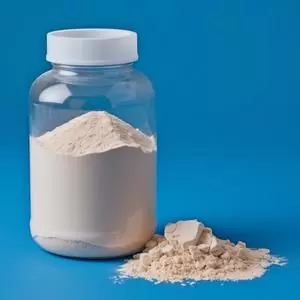
Native Whey: Applications in Infant and Clinical Nutrition
Why Purity and Bioavailability Matter
In specialized nutrition, particularly for vulnerable populations like infants and individuals with medical conditions, the purity and bioavailability of protein are paramount. Unlike traditional whey protein, a byproduct of cheese production, native whey protein is extracted directly from skim milk using advanced filtration techniques. This direct extraction preserves the protein’s natural structure and minimizes denaturation, resulting in superior bioavailability and functional properties. This is crucial because a compromised protein structure can hinder digestion, absorption, and overall effectiveness. For infants and those requiring clinical nutrition, maximizing nutrient uptake is essential for growth, recovery, and overall well-being.
Native Whey in Infant Formula: Mimicking Mother’s Milk
The primary goal of infant formula is to closely mimic the composition and nutritional profile of human breast milk. Breast milk is the gold standard for infant nutrition, providing the optimal balance of macronutrients, including proteins with specific amino acid profiles. Native whey offers a significant advantage in this regard.
Amino Acid Profile and Digestibility
The amino acid composition of native whey for infant formula more closely resembles that of human milk compared to traditional whey. This is particularly important concerning essential amino acids, which infants cannot synthesize themselves and must obtain from their diet. Furthermore, native whey protein is highly digestible, reducing the risk of gastrointestinal distress and ensuring optimal nutrient absorption in infants.
Reduced Allergenicity
Due to its gentle processing, native whey contains lower levels of denatured proteins and aggregates, which can be potential allergens. This reduced allergenicity makes it a more suitable option for infants who may be at risk of developing allergies or sensitivities to dairy protein. Manufacturers are increasingly turning to native whey infant nutrition to improve tolerance and reduce the risk of allergic reactions.
Improved Functional Properties
The functional properties of native whey protein, such as its solubility and emulsification capacity, enhance the overall quality and stability of infant formula. This ensures that the formula remains homogenous and palatable, making it easier for infants to consume and digest. Improved functional properties also contribute to a longer shelf life and reduced waste.
Native Whey in Clinical Nutrition: Accelerating Recovery and Preserving Muscle Mass
Clinical nutrition plays a vital role in supporting individuals recovering from illness, surgery, or those with chronic conditions. Patients undergoing medical treatment often experience catabolism, leading to muscle loss and impaired immune function. Native whey for clinical nutrition offers several key advantages in this setting.
Rapid Absorption and Muscle Protein Synthesis
Native whey benefits include its rapid absorption rate, which delivers essential amino acids quickly to muscle tissues. This rapid delivery stimulates muscle protein synthesis, the process by which the body repairs and builds muscle mass. This is crucial for preserving muscle strength and preventing muscle wasting in patients who are bedridden or have limited mobility. Patients who are immunocompromised or recovering from surgery can benefit greatly from the fast protein absorption.

Enhanced Immune Function
Native whey protein contains bioactive compounds, such as immunoglobulins and lactoferrin, which support immune function. These compounds help to strengthen the body’s natural defenses against infection and disease, which is particularly important for individuals who are immunocompromised or at risk of developing infections. Improving the formula with native whey benefits the recovery process.
Improved Appetite and Tolerance
Patients undergoing medical treatment often experience a loss of appetite or difficulty tolerating food. Native whey protein is highly palatable and easily digestible, making it a more appealing option for these individuals. Its neutral taste and smooth texture ensure that it can be easily incorporated into a variety of food and beverage products, improving patient compliance and nutritional intake. With increased tolerance and appeal, formulas enriched with native whey clinical nutrition support better nutritional outcomes.
Safety and Certification Requirements
Given the sensitive nature of both infant and clinical nutrition, stringent safety and certification standards are essential. Manufacturers using native whey protein must adhere to rigorous quality control measures and comply with relevant regulations, such as those set by the Food and Drug Administration (FDA) and the European Food Safety Authority (EFSA).
Stringent Quality Control
Manufacturers must implement strict quality control measures throughout the entire production process, from sourcing raw materials to packaging the final product. This includes regular testing for contaminants, such as heavy metals, pesticides, and microorganisms, to ensure that the product meets the highest safety standards. Strict quality measures are particularly important for native whey protein used in native whey infant nutrition.
Certifications
Obtaining relevant certifications, such as ISO 22000 and GMP (Good Manufacturing Practices), demonstrates a commitment to quality and safety. These certifications provide assurance that the manufacturer has implemented robust quality management systems and that the product is produced in a safe and hygienic environment. Products with added value of native whey are expected to pass certain certifications.
Traceability
Traceability is crucial for ensuring the safety and integrity of native whey protein products. Manufacturers must be able to trace the origin of the native whey back to the farm and track its movement through the entire supply chain. This allows for quick identification and resolution of any potential safety issues. For native whey for clinical nutrition, traceability is paramount to ensure product safety and consumer confidence.
The Potential of Native Whey: a Look Ahead
The potential of native whey protein in medicine and pediatrics is vast and continues to expand. As research further elucidates its unique benefits, we can expect to see even wider applications in specialized nutritional products. Its superior bioavailability, amino acid profile, and functional properties make it an ideal protein source for infants, individuals with medical conditions, and anyone seeking to optimize their health and well-being.
Understanding the benefits of native whey benefits is vital for Food Technologists, as they innovate new formulations. Nutrition Buyers can leverage this information to make informed purchasing decisions that benefit patient and consumer health.
Agrocomplex Sp. z o.o. Poland is committed to providing high-quality dairy ingredients, including native whey protein, for a variety of applications. Contact us today to learn more about our products and how we can help you develop innovative and effective nutritional solutions for your customers.
For more information on specific applications and product offerings, please feel free to reach out to our expert team.
Whether you require native whey for infant formula or native whey for clinical nutrition, Agrocomplex is your trusted partner for quality and reliability.
Get a wholesale Dry Milk Products supply price right now!
As a professional producer and supplier of Native Whey, Agrocomplex Sp. z o.o. has been selling Native Whey in Poland since 1992. Therefore, you can be sure that you are buying Native Whey from Agrocomplex. Please direct any questions and issues to the email address info@agrocomplex.com.pl, and we will respond within 1 business day.
FAQs: Native Whey for Infant and Clinical Nutrition
-
What is native whey protein and how does it differ from traditional whey protein?
Native whey protein is extracted directly from skim milk using advanced filtration techniques, preserving its natural structure and minimizing denaturation. Traditional whey protein is a byproduct of cheese production.
-
Why is native whey protein considered superior for infant formula?
Native whey's amino acid composition more closely resembles that of human milk, is highly digestible, has reduced allergenicity due to gentle processing, and exhibits improved functional properties, enhancing the quality and stability of infant formula.
-
How does native whey protein benefit individuals requiring clinical nutrition?
Native whey's rapid absorption rate delivers essential amino acids quickly to muscle tissues, stimulating muscle protein synthesis. It also contains bioactive compounds that support immune function and is highly palatable and easily digestible, improving appetite and tolerance.
-
What makes native whey protein more digestible for infants?
Native whey protein's gentle processing preserves its natural structure, leading to easier digestion and optimal nutrient absorption in infants, reducing the risk of gastrointestinal distress.
-
How does native whey protein reduce the risk of allergic reactions in infants?
Due to its gentle processing, native whey contains lower levels of denatured proteins and aggregates, which can be potential allergens, making it a more suitable option for infants at risk of developing allergies to dairy protein.
-
What role do essential amino acids play in native whey protein for infant nutrition?
Essential amino acids, which infants cannot synthesize themselves, are more closely matched to the profile of human milk in native whey, crucial for their growth and development.
-
Why is rapid absorption of native whey protein important for patients recovering from surgery or illness?
Rapid absorption delivers essential amino acids quickly to muscle tissues, stimulating muscle protein synthesis and preventing muscle wasting in patients who are bedridden or have limited mobility.
-
What quality control measures are essential for native whey protein used in infant and clinical nutrition?
Manufacturers must implement strict quality control measures throughout the entire production process, including regular testing for contaminants and compliance with relevant regulations like those from the FDA and EFSA.
-
Why is traceability important for native whey protein products?
Traceability allows manufacturers to trace the origin of the native whey back to the farm and track its movement through the entire supply chain, allowing for quick identification and resolution of any potential safety issues.
-
What bioactive compounds are present in native whey protein that support immune function?
Native whey protein contains bioactive compounds such as immunoglobulins and lactoferrin, which help to strengthen the body's natural defenses against infection and disease.
Our offer