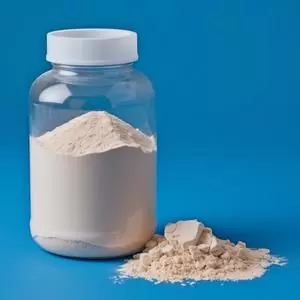
Micellar Casein: "Slow" Protein for Sports & Functional Nutrition
What is Micellar Casein?
Micellar casein is a type of protein derived from milk, specifically known for its slow-digesting properties. Unlike whey protein, which is rapidly absorbed, micellar casein forms micelles in the stomach, leading to a gradual release of amino acids into the bloodstream. This unique characteristic makes it a valuable ingredient in various nutritional applications.
Distinctive Features of Micellar Casein
- Source: Derived from fresh, pasteurized skimmed milk.
- Structure: Exists in its natural micellar form.
- Digestion: Slowly digested, providing sustained amino acid release.
- Functionality: Supports muscle recovery and satiety.
Production Process
The production of native micellar casein involves a gentle process that preserves the protein’s natural structure. Ultrafiltration is the primary method used. This process separates the casein micelles from other milk components, such as whey and lactose, without denaturing the protein.
Key Steps in Micellar Casein Production:
- Pasteurization: Milk is pasteurized to eliminate harmful bacteria.
- Ultrafiltration: Milk is passed through a membrane that separates casein micelles from whey protein and other components.
- Concentration: The casein concentrate is further processed to increase protein content.
- Drying: The concentrated casein is spray-dried into a powder form, ready for use in various applications.
The Power of Slow Digestion
The defining characteristic of micellar casein protein is its slow rate of digestion. When consumed, it forms a gel-like substance in the stomach. This slows down gastric emptying and prolongs the absorption of amino acids.
Benefits of Slow Digestion:
- Sustained Amino Acid Release: Provides a steady stream of amino acids to muscles over several hours.
- Reduced Muscle Breakdown: Helps prevent muscle protein breakdown (catabolism), especially during sleep or prolonged periods without food.
- Enhanced Satiety: Promotes feelings of fullness, which can aid in weight management.

Applications: Nighttime Protein & Satiety Products
Micellar casein is widely used in the sports nutrition industry as a nighttime protein supplement. Its slow-digesting properties make it ideal for consuming before bed, providing muscles with a sustained supply of amino acids throughout the night.
Specific Product Applications:
- Nighttime Protein Powders: A common ingredient in powders designed for consumption before sleep.
- Ready-to-Drink (RTD) Shakes: Used to create protein-rich shakes for convenient consumption.
- Protein Bars: Can add a prolonged protein release to support satiety.
- Meal Replacement Products: Contributes to the overall protein content and satiety effects.
- Weight Management Products: It can be incorporated into shakes and bars intended to help control hunger.
Casein vs. Micellar Casein: What’s the Difference?
While both are derived from milk, casein and micellar casein are not the same. The key difference lies in the processing method and the resulting protein structure. Regular casein (often referring to caseinates) is processed with acids or alkalis, which denatures the protein and alters its micellar structure. Micellar casein, on the other hand, is produced through filtration, preserving its natural micellar form.
Key Differences Summarized:
- Processing: Micellar casein is produced through filtration; caseinates are produced using acids or alkalis.
- Structure: Micellar casein retains its natural micellar structure; caseinates have a modified structure.
- Digestion: Micellar casein digests slowly; caseinates may digest more quickly.
- Functional Properties: Micellar casein provides better emulsification and heat stability compared to some caseinates.
Micellar Caseinate: a Closer Look
Micellar caseinate is a term that can sometimes cause confusion. It essentially refers to caseinates that *were* originally derived from micellar casein. However, the processing involved in creating caseinates (using acids or alkalis) inherently alters the native micellar structure. Therefore, while the starting material may have been micellar casein, the final product, the caseinate, no longer possesses the same properties as micellar protein.
For optimal product selection
The selection between casein and caseinates depends on the application and desired outcome. Casein micelle excels in applications where slow digestion and preservation of the protein’s natural structure are crucial, such as nighttime protein supplements and products aimed at promoting satiety. Caseinates, with their different functional properties, may be more suitable for other applications, in particular where emulsification and heat stability are valued.
For Technologists and purchasers needing high-quality dairy ingredients, choosing the right type of casein is essential for achieving desired product characteristics. By understanding the nuances of micellar casein, you can create products that meet the specific needs of your target market.
For high-quality micellar casein and other premium dry milk products, contact Agrocomplex Sp. z o.o. Poland today. Our expertise and commitment to quality ensure you receive the best ingredients for your formulations.
Get a wholesale Dry Milk Products supply price right now!
As a professional producer and supplier of Micellar Casein, Agrocomplex Sp. z o.o. has been selling Micellar Casein in Poland since 1992. Therefore, you can be sure that you are buying Micellar Casein from Agrocomplex. Please direct any questions and issues to the email address info@agrocomplex.com.pl, and we will respond within 1 business day.
FAQs: Micellar Casein for Sports & Functional Nutrition
-
What is micellar casein?
Micellar casein is a type of protein derived from milk, specifically known for its slow-digesting properties. It forms micelles in the stomach, leading to a gradual release of amino acids into the bloodstream.
-
How is micellar casein produced?
Micellar casein is produced through a gentle ultrafiltration process that preserves the protein's natural structure. This separates casein micelles from other milk components without denaturing the protein.
-
What are the benefits of slow digestion of micellar casein?
Slow digestion provides sustained amino acid release, reduces muscle protein breakdown, and enhances satiety.
-
What are the common applications of micellar casein?
Micellar casein is commonly used in nighttime protein powders, ready-to-drink shakes, protein bars, meal replacement products, and weight management products.
-
What is the difference between casein and micellar casein?
The key difference lies in the processing method. Micellar casein is produced through filtration, preserving its natural micellar form, while regular casein (caseinates) is processed with acids or alkalis, which denatures the protein.
-
What is micellar caseinate?
Micellar caseinate refers to caseinates that were originally derived from micellar casein. However, the processing to create caseinates alters the native micellar structure.
-
Why is micellar casein ideal for nighttime protein supplements?
Its slow-digesting properties make it ideal for consuming before bed, providing muscles with a sustained supply of amino acids throughout the night.
-
How does micellar casein support satiety?
By forming a gel-like substance in the stomach, micellar casein slows down gastric emptying and promotes feelings of fullness, which can aid in weight management.
-
What are the key steps in micellar casein production?
The key steps include pasteurization, ultrafiltration, concentration, and drying.
-
When should I choose micellar casein over caseinates?
Choose micellar casein when slow digestion and preservation of the protein's natural structure are crucial, such as in nighttime protein supplements and products aimed at promoting satiety. Caseinates may be more suitable where emulsification and heat stability are valued.
Our offer