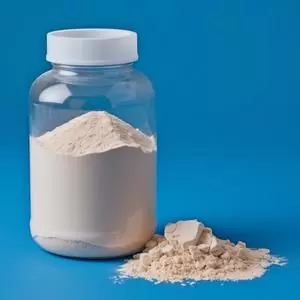
Lactose vs. Sucrose: Why Milk Sugar Might Be Your Better Baking Alternative
Milk Sugar: A Functional Alternative to Standard Sugar
In the realm of food technology, finding the right ingredient is crucial for achieving optimal results. While sucrose, or common table sugar, has long been the standard sweetener, lactose, also known as milk sugar, presents a compelling and functional alternative in various applications. Agrocomplex Sp. z o.o., a leading dairy ingredient supplier in Poland, offers a range of high-quality lactose products designed to enhance your formulations and deliver unique product characteristics. This article delves into a detailed comparison of lactose and sucrose, highlighting the advantages of lactose in specific food production scenarios. It aims to provide food technologists and purchasing managers with valuable insights into how lactose can unlock new possibilities for product development.
Sweetness Profile: Balancing Flavors with Subtle Sweetness
Relative Sweetness
One of the key differences between lactose and sucrose lies in their sweetness intensity. Lactose has a relative sweetness of approximately 20-40 on a scale where sucrose is 100. This significantly lower sweetness intensity can be a valuable asset in several applications.
- Flavor Modulation: The milder sweetness of lactose allows the natural flavors of other ingredients to shine through. This is particularly beneficial in products where highlighting non-sweet flavors like spices, fruits, or savory components is desired.
- Controlled Sweetness: In formulations where excessive sweetness is undesirable, such as certain types of bread, crackers, or infant formulas, lactose vs sucrose can be leveraged to achieve a more balanced and palatable flavor profile.
- Managing Fructose Intake: If a formulation has ingredients with high fructose content, using lactose helps to reduce the overall level of fructose, which can be important for some consumers. A comparison between fructose vs lactose is key.
How Sweetness Impacts Product Development
Using milk sugar in your recipes allows for a unique sweetness profile and creates opportunities for a lower sweetness level in the final product compared to sucrose. Here is an example:
- Reducing Overall Sugar: Lactose facilitates a formula with low overall sugar, in comparison to using fructose for example. This is important as you compare lactose vs fructose.
Textural and Color Development: Lactose’s Role in Caramelization and the Maillard Reaction
Caramelization Potential
While sucrose is well-known for its role in caramelization, lactose sucrose also contributes to this process, albeit in a different manner. Due to its disaccharide structure, lactose breaks down at higher temperatures, resulting in a slightly different flavor profile and color development compared to sucrose caramelization.
- Subtle Caramel Notes: Lactose contributes a more delicate and nuanced caramel flavor, adding complexity to baked goods and confectionery products.
- Controlled Browning: The slower caramelization rate of lactose allows for greater control over the browning process, preventing excessive darkening and bitterness.
The Maillard Reaction
The Maillard reaction, a chemical reaction between amino acids and reducing sugars, is responsible for the desirable browning and flavor development in many cooked foods. Lactose, being a reducing sugar, actively participates in the Maillard reaction.
- Enhanced Flavor Complexity: Lactose enhances the Maillard reaction, contributing to a more complex and savory flavor profile in baked goods, sauces, and processed foods.
- Improved Color Development: The Maillard reaction involving lactose vs sucrose results in a rich, golden-brown color, enhancing the visual appeal of the final product.

Economic and Functional Advantages: When Lactose Offers a Better Value
Cost-Effectiveness
In certain regions and applications, lactose can be a more cost-effective alternative to sucrose. The price of lactose is often more stable and less susceptible to market fluctuations, providing greater cost predictability for food manufacturers.
Functional Benefits
Beyond its sweetness and browning properties, lactose offers a range of functional benefits that can enhance product performance.
- Bulking Agent: Lactose acts as an excellent bulking agent, adding volume and substance to formulations without significantly increasing sweetness. This is particularly useful in reduced-sugar or sugar-free products.
- Carrier: Lactose can be used as a carrier for flavors, colors, and other functional ingredients, ensuring uniform distribution throughout the product.
- Crystallization Control: Lactose can influence the crystallization of other sugars, affecting the texture and stability of confectionery products.
- Flowability Enhancer: Lactose is often used as a flowability enhancer, especially in powder mixes.
Applications: Exploring Lactose’s Versatility in Various Food Products
Baking
- Bread and Rolls: Lactose enhances browning, improves crust characteristics, and contributes a subtle sweetness, resulting in a more appealing and flavorful product. The difference between lactose and sucrose is significant in this application.
- Cakes and Cookies: Lactose contributes to a tender crumb, improved texture, and enhanced flavor development. Its lower sweetness allows other flavors, such as chocolate or vanilla, to stand out.
- Crackers: Lactose promotes browning in low-sugar crackers, adding to the overall appeal of the final product.
Confectionery
- Caramels and Toffees: Lactose contributes to a smoother texture, improved chewiness, and a unique flavor profile. It also helps control crystallization, preventing graininess.
- Fudges and Creams: Lactose enhances the creamy texture and contributes to a delicate sweetness. It also improves the shelf life of these products by inhibiting sugar crystallization.
- Chocolate: Lactose adds volume to chocolate, leading to significant economic benefits.
Sauces and Seasonings
- Dry Mixes: Lactose acts as a carrier for spices and seasonings, ensuring uniform distribution and preventing clumping. It also contributes to the overall flavor profile.
- Savory Sauces: Lactose enhances the Maillard reaction, contributing to a richer, more complex flavor in savory sauces. Its lower sweetness allows other flavors to remain dominant.
Using Milk Sugar For Unique Products
In conclusion, while sucrose remains a ubiquitous sweetener, lactose offers a compelling alternative with unique advantages in various food applications. Its lower sweetness, combined with its functional properties and cost-effectiveness, makes it a valuable tool for food technologists seeking to create innovative and high-quality products. Understanding the difference between lactose and sucrose is crucial for optimizing formulations and achieving desired outcomes. Comparison of sugars and sugar alcohols as well, is imperative to choosing the right ingredient.
If you are looking to explore the possibilities of milk sugar in your food formulations, Agrocomplex Sp. z o.o. offers a wide range of high-quality lactose products tailored to meet your specific requirements. Contact us today to learn more about our products and how we can help you create the next generation of delicious and innovative food products.
Get a wholesale Dry Milk Products supply price right now!
As a professional producer and supplier of Lactose, Agrocomplex Sp. z o.o. has been selling Lactose in Poland since 1992. Therefore, you can be sure that you are buying Lactose from Agrocomplex. Please direct any questions and issues to the email address info@agrocomplex.com.pl, and we will respond within 1 business day.
FAQs: Lactose vs. Sucrose
-
What is lactose and how does it differ from sucrose?
Lactose, also known as milk sugar, is a disaccharide found in milk. Sucrose, or table sugar, is another disaccharide derived from sugar cane or sugar beets. Lactose has a much lower sweetness intensity than sucrose and offers different functional properties in food production.
-
How sweet is lactose compared to sucrose?
Lactose has a relative sweetness of approximately 20-40 on a scale where sucrose is 100. This means sucrose is significantly sweeter than lactose.
-
In what types of food products is lactose a good alternative to sucrose?
Lactose is a good alternative in products where less sweetness is desired and where its functional properties can be leveraged. This includes bread, crackers, infant formulas, caramels, toffees, and savory sauces.
-
How does lactose affect browning and flavor development in baked goods?
Lactose contributes to browning through both caramelization and the Maillard reaction. It produces a more subtle caramel flavor and allows for controlled browning. It also enhances the Maillard reaction, creating a more complex and savory flavor profile.
-
Are there any economic advantages to using lactose instead of sucrose?
In some regions and applications, lactose can be a more cost-effective alternative to sucrose. Its price is often more stable and less susceptible to market fluctuations.
-
What functional benefits does lactose offer in food production?
Lactose can act as a bulking agent, a carrier for flavors and colors, and can help control crystallization. It can also be used to enhance flowability of powder mixes.
-
How does lactose improve the quality of bread and rolls?
Lactose enhances browning, improves crust characteristics, and contributes a subtle sweetness, resulting in a more appealing and flavorful bread and rolls.
-
What role does lactose play in confectionery products like caramels and toffees?
Lactose contributes to a smoother texture, improved chewiness, and a unique flavor profile in caramels and toffees. It also helps control crystallization, preventing graininess.
-
Can lactose be used in savory sauces?
Yes, lactose enhances the Maillard reaction in savory sauces, contributing to a richer, more complex flavor. Its lower sweetness allows other flavors to remain dominant.
-
Where can I find high-quality lactose products for my food formulations?
Agrocomplex Sp. z o.o. offers a wide range of high-quality lactose products tailored to meet your specific requirements. Contact them to learn more.
Our offer