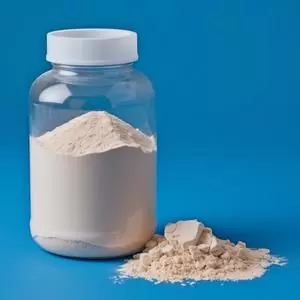
Lactose vs. Glucose: Unveiling the Sweet Science for Food Production
Sweet Choices: Two Sugars, Diverse Applications
In the realm of food production, ingredient selection is paramount. Among the vast array of available options, sugars hold a significant position, influencing taste, texture, and overall product characteristics. Two particularly important sugars are lactose vs glucose. While both contribute sweetness, their chemical structures and functional properties differ considerably, leading to distinct applications across various food sectors. Food technologists and procurement professionals need to have a solid understanding their key parameters.
Chemical Architecture: A Tale of Two Structures
Lactose: The Milk Sugar Disaccharide
Lactose is a disaccharide, meaning it’s composed of two simpler sugar units linked together. Specifically, lactose galactose glucose. This linkage requires hydrolysis (breaking down with water) to separate the two monosaccharides.
- Structure: β-D-galactopyranose-(1→4)-D-glucopyranose
- Source: Primarily derived from milk and dairy products.
Glucose: The Simple Monosaccharide
Glucose, on the other hand, is a monosaccharide. It is a simple sugar unit that can be directly absorbed by the body. Its chemical formula is C6H12O6.
- Structure: A six-carbon aldose sugar.
- Source: Found in fruits, honey, and corn syrup, also produced by enzymatic conversion of starch.
Functional Attributes: Unveiling the Differences
Sweetness Intensity
The perceived sweetness of sugars is a critical factor in food formulation. Lactose has a relatively low sweetness compared to other sugars, including glucose. Its sweetness is about 20-40% of sucrose (table sugar). This lower sweetness makes it suitable for applications where a mild sweetness is desired. In contrast, glucose possess a higher sweetness intensity, approximately 70-80% of sucrose.

Solubility Characteristics
Lactose exhibits lower solubility in water compared to glucose. This difference in glucose and lactose affects its utilization in liquid-based food systems. Glucose is highly soluble in water, making it easier to incorporate into beverages and other aqueous solutions.
Hygroscopic Nature
Lactose is less hygroscopic than glucose. Hygroscopicity refers to a substance’s ability to absorb moisture from the air. Glucose, being more hygroscopic, tends to absorb moisture more readily, which can influence the texture and shelf life of food products.
Maillard Reaction Involvement
The Maillard reaction is a chemical reaction between amino acids and reducing sugars (like glucose and lactose) that occurs upon heating, resulting in browning and the development of characteristic flavors. Lactose participates in the Maillard reaction to a lesser extent compared to glucose. This is because the galactose component of lactose is a poor participant in the Maillard reaction. Glucose readily engages in the Maillard reaction, contributing to the desirable browning and flavor development in baked goods and other cooked foods.
Applications by Industry: Tailoring Sugar to Task
Lactose: Ideal for Specific Applications
Baking Applications
Its lower sweetness and slower Maillard reaction make lactose beneficial in certain baking applications. It contributes to a softer crumb structure and controlled browning. It also helps to control the release of sweetness in the product.
Infant Nutrition
As the primary carbohydrate in breast milk, lactose is a crucial ingredient in infant formulas. It supports calcium absorption and provides energy for infants. The lactose galactose glucose composition is very important here.
Pharmaceuticals
Lactose is used as a filler and binder in pharmaceutical tablets due to its compressibility and inertness.
Glucose: A Workhorse in Various Sectors
Beverage Industry
The high solubility and sweetness of glucose make it a preferred sweetener in various beverages, including soft drinks, sports drinks, and fruit juices.
Confectionery Delights
Glucose is widely used in confectionery products such as candies, gummies, and chocolates. It contributes to the desired texture, sweetness, and prevents sugar crystallization.
Processed Foods
Glucose is added to a variety of processed foods as a sweetener, humectant (to retain moisture), and to enhance browning during cooking.
Key Differences: A Summary for Informed Decisions
Choosing between lactose vs glucose depends heavily on the intended application in the food industry. Their differing chemical structures lead to variations in sweetness, solubility, hygroscopicity, and Maillard reaction participation. Food technologists and buyers should carefully consider these differences to optimize product characteristics.
- Sweetness: Glucose offers higher sweetness intensity.
- Solubility: Glucose is more soluble in water.
- Hygroscopicity: Glucose is more hygroscopic.
- Maillard Reaction: Glucose participates more readily in the Maillard reaction.
For your specific needs in dairy-derived ingredients, contact Agrocomplex Sp. z o.o. Poland. We provide high-quality dry milk products, including lactose, tailored to elevate your food production processes.
Get a wholesale Dry Milk Products supply price right now!
As a professional producer and supplier of Lactose, Agrocomplex Sp. z o.o. has been selling Lactose in Poland since 1992. Therefore, you can be sure that you are buying Lactose from Agrocomplex. Please direct any questions and issues to the email address info@agrocomplex.com.pl, and we will respond within 1 business day.
FAQs: Lactose vs. Glucose
-
What is the key difference between lactose and glucose?
Lactose is a disaccharide composed of galactose and glucose, while glucose is a monosaccharide, a simple sugar unit.
-
How does the sweetness of lactose compare to glucose?
Lactose has a lower sweetness intensity compared to glucose. Lactose's sweetness is about 20-40% of sucrose, while glucose is approximately 70-80% of sucrose.
-
Which sugar is more soluble in water, lactose or glucose?
Glucose is more soluble in water than lactose, making it easier to incorporate into beverages and other aqueous solutions.
-
How does the hygroscopic nature differ between lactose and glucose?
Glucose is more hygroscopic than lactose, meaning it absorbs moisture from the air more readily, potentially affecting the texture and shelf life of food products.
-
Which sugar participates more readily in the Maillard reaction?
Glucose participates more readily in the Maillard reaction compared to lactose, contributing to browning and flavor development in cooked foods.
-
What are some common applications of lactose in the food industry?
Lactose is used in baking applications for a softer crumb and controlled browning, in infant formulas as the primary carbohydrate, and in pharmaceuticals as a filler and binder.
-
In what types of products is glucose commonly used?
Glucose is widely used in beverages (e.g., soft drinks, sports drinks), confectionery products (e.g., candies, gummies), and processed foods as a sweetener and humectant.
-
Why is lactose used in infant formula?
Lactose is the primary carbohydrate in breast milk. It supports calcium absorption and provides energy for infants.
-
Why is glucose added to processed foods?
Glucose is added to a variety of processed foods as a sweetener, humectant (to retain moisture), and to enhance browning during cooking.
-
What should food technologists consider when choosing between lactose and glucose?
Food technologists should carefully consider the differences in sweetness, solubility, hygroscopicity, and Maillard reaction participation to optimize product characteristics based on the intended application.
Our offer