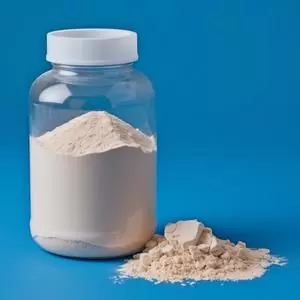
Lactose: A Functional Ingredient Powerhouse for Food and Pharmaceuticals
More Than Just Sweetness: The Multifaceted Role of Lactose
Lactose, often recognized for its presence in milk and dairy products, is much more than a simple sugar. It’s a versatile ingredient with a wide array of functional properties that make it invaluable in both the food and pharmaceutical industries. This article delves into the diverse applications of lactose, exploring its characteristics, benefits, and how lactose powder from Agrocomplex Sp. z o.o. can elevate your product formulations. We’ll examine its role not only as a sweetener, but also as a flavor enhancer, texture modifier, and even a crucial excipient in pharmaceuticals.
Unlocking Lactose’s Potential: Key Properties
The unique properties of lactose contribute significantly to its diverse applications. These characteristics make it a valuable tool for product developers seeking to optimize texture, flavor, and stability.
The Maillard Reaction: Enhancing Flavor and Color
Lactose, like other sugars, participates in the Maillard reaction, a chemical reaction between amino acids and reducing sugars that occurs upon heating. This reaction is responsible for the browning and development of desirable flavors in baked goods, confectionery, and processed foods. The slower rate of the Maillard reaction with lactose compared to glucose or fructose can be advantageous in certain applications, allowing for controlled browning and flavor development.
Crystallization: Controlling Texture and Appearance
Lactose crystallization influences the texture and appearance of various food products. In some applications, such as confectionery, controlled lactose crystallization is desired to achieve a smooth, creamy texture. In other cases, such as ice cream, lactose crystallization can lead to undesirable sandiness. Understanding and managing lactose crystallization is crucial for achieving optimal product quality. Lactose solubility also plays an important role in the crystallization process as well as the taste and texture of the final product.
Low Glycemic Index (GI): A Beneficial Characteristic
Compared to other sugars like glucose or sucrose, lactose has a relatively low glycemic index (GI). This means that it causes a slower and more gradual rise in blood sugar levels after consumption. This property can be beneficial in certain food applications, particularly for consumers who are mindful of their blood sugar levels. It’s important to note that while lactose has a lower GI than other sugars, it is still a carbohydrate and should be consumed in moderation. The difference between lactose and glucose lies in their structure and how they are metabolized by the body. Lactose, being a disaccharide, needs to be broken down into glucose and galactose before it can be absorbed.
Forms of Lactose: Anhydrous, Monohydrate, and More
Lactose is available in various forms, each with slightly different properties and applications:
- Lactose monohydrate: The most common form of lactose, containing one molecule of water per molecule of lactose. It is often used in food and pharmaceutical applications.
- Anhydrous lactose: A form of lactose with virtually no water content. It offers improved compressibility and flowability, making it suitable for direct compression in pharmaceutical tablet manufacturing.
- Lactose powder: A general term referring to dried lactose, typically in the form of lactose monohydrate or anhydrous lactose. The particle size and distribution of powdered lactose can influence its functionality in various applications.
Understanding the specific properties of each form of lactose is essential for selecting the appropriate type for a given application.
Lactose in Food Manufacturing: Beyond Sweetening
Lactose is employed in a variety of food applications, extending beyond its role as a sweetener. Its unique properties contribute to improved texture, flavor, and overall product quality.
Flavor Carrier: Enhancing and Stabilizing Aromas
Lactose acts as an excellent flavor carrier, encapsulating and protecting delicate flavor compounds. This helps to preserve the aroma and flavor of food products during processing and storage. In applications such as spice blends and seasonings, lactose can improve the uniformity and distribution of flavorings.

Texture Modifier: Creating Desirable Mouthfeel
The ability of lactose to influence crystallization and water-binding properties makes it a valuable texture modifier in various food products. In baked goods, lactose can contribute to a softer crumb and improved moisture retention. In ice cream, controlling lactose crystallization is crucial for preventing sandiness and maintaining a smooth, creamy texture.
Bulking Agent: Adding Volume and Structure
Lactose can act as a bulking agent in reduced-calorie foods, replacing the volume and texture lost when sugar is reduced. It provides structure and bulk without adding excessive sweetness or calories. This is particularly useful in products like diet beverages and low-sugar desserts.
Lactose in Pharmaceuticals: A Vital Excipient
In the pharmaceutical industry, lactose is widely used as an excipient, an inactive ingredient that serves as a carrier or binder for the active pharmaceutical ingredient (API). Its inert nature, good compressibility, and solubility make it an ideal choice for this purpose.
Filler/Binder: Ensuring Tablet Integrity
Lactose is commonly used as a diluent or filler in tablets and capsules, providing bulk and ensuring uniform dosage. It also acts as a binder, holding the ingredients together and improving the tablet’s mechanical strength. This is particularly important for direct compression formulations where the ingredients are directly compressed without the need for granulation.
Drug Delivery: Enhancing Bioavailability
In some cases, lactose can improve the bioavailability of certain drugs by enhancing their solubility and absorption. It can also be used in modified-release formulations to control the rate at which the drug is released into the body.
Why Lactose is a Preferred Excipient
Several factors contribute to the widespread use of lactose as an excipient:
- Cost-effectiveness: Pure lactose powder is relatively inexpensive compared to other excipients.
- Inertness: Lactose is generally inert and does not react with most APIs.
- Compressibility: Lactose exhibits good compressibility, making it suitable for tablet manufacturing.
- Solubility: Lactose is soluble in water, which facilitates drug dissolution and absorption.
- Availability: Lactose is readily available in various grades and forms.
These characteristics make lactose a reliable and versatile excipient for a wide range of pharmaceutical formulations.
Lactose in Dairy Production: Managing Permeates
While lactose is a valuable ingredient, it’s also a key component of dairy by-products like permeates. Understanding lactose content in these streams is crucial for efficient processing and valorization. Agrocomplex Sp. z o.o. understands the importance of managing Lactose related to Permeates in dairy production and offers solutions for optimizing lactose utilization.
Elevating Products with Lactose: A Versatile Solution
Lactose is more than just a sugar; it’s a functional ingredient with diverse applications in the food and pharmaceutical industries. Its unique properties, including its participation in the Maillard reaction, its ability to influence crystallization, and its relatively low glycemic index, make it a valuable tool for product developers. Whether you’re looking to enhance flavor, improve texture, or create a robust pharmaceutical formulation, lactose can play a vital role.
Agrocomplex Sp. z o.o. Poland offers high-quality lactose powder and other dairy ingredients to meet your specific needs. Contact us today to explore how our products can enhance your formulations and improve your product’s performance. Our team of experts is ready to assist Technologists and Purchasers in finding the optimal solution for your application. Contact Agrocomplex Sp. z o.o. for quality dairy ingredients.
Get a wholesale Dry Milk Products supply price right now!
As a professional producer and supplier of Lactose, Agrocomplex Sp. z o.o. has been selling Lactose in Poland since 1992. Therefore, you can be sure that you are buying Lactose from Agrocomplex. Please direct any questions and issues to the email address info@agrocomplex.com.pl, and we will respond within 1 business day.
FAQs: Lactose for Food and Pharmaceuticals
-
What are the main functions of lactose in food and pharmaceuticals?
Lactose serves as a sweetener, flavor enhancer, texture modifier in food and as excipient (filler and binder) in pharmaceuticals. It also contributes to the Maillard reaction, flavor carrier, bulking agent etc.
-
How does lactose contribute to the Maillard reaction?
Lactose, like other sugars, participates in the Maillard reaction, contributing to browning and the development of desirable flavors in baked goods, confectionery, and processed foods. Its slower reaction rate compared to glucose allows for controlled browning.
-
What impact does lactose crystallization have on food products?
Lactose crystallization can influence the texture and appearance of food. Controlled crystallization is desired for smooth textures (like in confectionery), while uncontrolled crystallization can lead to undesirable sandiness (like in ice cream).
-
What is the glycemic index (GI) of lactose compared to other sugars?
Lactose has a relatively low glycemic index (GI) compared to sugars like glucose or sucrose, causing a slower and more gradual rise in blood sugar levels after consumption.
-
What are the different forms of lactose, and how do they differ?
Lactose is available in various forms, including lactose monohydrate (most common, with one water molecule), anhydrous lactose (virtually no water, better compressibility), and lactose powder (dried lactose, either monohydrate or anhydrous). Their properties and applications vary slightly.
-
How does lactose function as a flavor carrier?
Lactose acts as a carrier, encapsulating and protecting delicate flavor compounds, preserving aroma and flavor during processing and storage. It also improves flavor distribution in spice blends and seasonings.
-
In what ways can lactose be used as a texture modifier?
Lactose's influence on crystallization and water-binding makes it a texture modifier. It can contribute to a softer crumb in baked goods and helps control sandiness in ice cream.
-
How does lactose work as bulking agent?
Lactose acts as a bulking agent in reduced-calorie foods, replacing the volume and texture lost when sugar is reduced, providing structure and bulk without adding excessive sweetness or calories.
-
What makes lactose a preferred excipient in pharmaceuticals?
Lactose is cost-effective, inert, compressible, soluble in water, and readily available, making it a reliable and versatile excipient for a wide range of pharmaceutical formulations.
-
How is lactose used in pharmaceuticals to ensure tablet integrity?
Lactose is used as a diluent or filler in tablets and capsules, providing bulk and ensuring uniform dosage. It also acts as a binder, holding the ingredients together and improving the tablet's mechanical strength.
Our offer