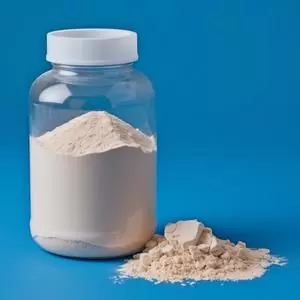
Demineralized Whey Powder: The Gold Standard for Infant Formula
Rationale for Specialized Infant Nutrition Ingredients
The nutritional needs of infants are significantly different from those of adults. Rapid growth and development during the first year of life demand a carefully balanced intake of proteins, fats, carbohydrates, vitamins, and minerals. Formulating infant formula requires a meticulous selection of ingredients that are easily digestible and closely mimic the composition of breast milk, which is considered the gold standard for infant nutrition.
Demineralization Process: Defining D90, D70, and D50
The demineralization process is crucial for creating demineralized whey powder for infant formula. This process involves removing a specific percentage of minerals from whey, a byproduct of cheese production. The degree of demineralization is denoted by a „D” value, such as D90, D70, and D50. These numbers represent the percentage of minerals removed from the whey.
Understanding Demineralization Levels
- D90: This indicates that 90% of the minerals have been removed. Demineralized whey powder D90 is the most extensively demineralized and is often preferred for infant formula due to its low mineral content, making it easier for infants’ kidneys to process.
- D70: In this case, 70% of the minerals are removed. D70 provides a balance between mineral content and cost, making it a suitable option for some infant formula formulations.
- D50: Here, 50% of the minerals are removed. D50 demineralized whey powder retains a higher mineral content compared to D90 and D70 and might be used in specialized applications where a higher mineral load is desired.
Impact on Properties
The level of demineralization significantly impacts the properties of the whey powder. Higher demineralization levels (e.g., D90) result in a powder with reduced ash content, better solubility, and a less salty taste. This makes it more suitable for infant formula, as it reduces the renal load on the infant’s kidneys and improves palatability.
The Critical Importance of Mineral Reduction for Infants
Reducing Renal Load
Infants’ kidneys are still developing and have a limited capacity to process high mineral loads. Excessive intake of minerals, particularly sodium, can put a strain on their kidneys, potentially leading to dehydration and other health issues. Demineralized whey powder significantly reduces the mineral content, minimizing the risk of renal overload.
Sodium Reduction
Reducing sodium levels is particularly important. High sodium intake in infancy can contribute to hypertension later in life. Demineralized whey powder helps maintain low sodium levels in infant formula, promoting healthy development.

Achieving a Balanced Composition: Mimicking Breast Milk
Protein Profile
Whey protein is a high-quality protein source that is easily digestible. The composition of demineralized whey powder allows for the creation of infant formulas that mimic the protein profile of breast milk, providing essential amino acids for growth and development.
Mineral Balance
Demineralization allows manufacturers to carefully control the mineral content of infant formula. By using demineralized whey powder, they can add back specific minerals in appropriate amounts to meet the infant’s needs without exceeding safe levels.
Quality and Safety Requirements
Stringent Manufacturing Standards
The production of demineralized whey powder for infant formula must adhere to the highest quality and safety standards. This includes strict control over the sourcing of raw materials, the manufacturing process, and the final product testing.
Certifications
Manufacturers of demineralized whey powder for infant formula should hold relevant certifications, such as ISO 9001, ISO 22000 (Food Safety Management), and certifications related to infant formula production. These certifications demonstrate a commitment to quality, safety, and traceability.
Testing and Traceability
Rigorous testing is essential to ensure that the demineralized whey powder meets the required specifications for mineral content, microbiological purity, and the absence of contaminants. Traceability systems should be in place to track the product from the raw material source to the finished product, allowing for swift identification and resolution of any issues.
The Indispensable Value in the Infant Nutrition Industry
Demineralized whey powder plays a vital role in the infant nutrition industry. Its unique properties, including low mineral content, high protein quality, and excellent digestibility, make it an irreplaceable ingredient in infant formula formulations. By enabling manufacturers to create formulas that closely mimic the composition of breast milk, demineralized whey powder contributes to the healthy growth and development of infants worldwide. What is demineralized whey powder used for? It is a cornerstone ingredient for providing adequate nutrition to infants when breastfeeding is not possible or insufficient.
For sourcing high-quality demineralized whey powder and other dairy ingredients for your infant formula needs, please contact Agrocomplex Sp. z o.o. Poland. Our expertise and commitment to quality ensure that you receive the best ingredients for your products.
Get a wholesale Dry Milk Products supply price right now!
As a professional producer and supplier of Demineralized Whey Powder, Agrocomplex Sp. z o.o. has been selling Demineralized Whey Powder in Poland since 1992. Therefore, you can be sure that you are buying Demineralized Whey Powder from Agrocomplex. Please direct any questions and issues to the email address info@agrocomplex.com.pl, and we will respond within 1 business day.
FAQs: Demineralized Whey Powder for Infant Formula
-
Why is demineralized whey powder used in infant formula?
Demineralized whey powder is crucial in infant formula because it allows manufacturers to control the mineral content, reducing the renal load on infants' developing kidneys and mimicking the composition of breast milk. It also provides high-quality protein for growth and development.
-
What does the "D" value (D90, D70, D50) represent in demineralized whey powder?
The "D" value represents the percentage of minerals removed from the whey. For example, D90 means 90% of the minerals have been removed, D70 means 70%, and D50 means 50%.
-
What are the differences between D90, D70, and D50 demineralized whey powders?
D90 has the lowest mineral content and is preferred for sensitive infants. D70 offers a balance between mineral content and cost. D50 retains a higher mineral content and is used in specialized applications where a higher mineral load is desired.
-
How does demineralized whey powder reduce the renal load on infants' kidneys?
By removing a significant portion of minerals, particularly sodium, demineralized whey powder reduces the amount of minerals that infants' kidneys need to process, minimizing the risk of renal overload.
-
Why is sodium reduction important in infant formula?
High sodium intake in infancy can contribute to hypertension later in life. Demineralized whey powder helps maintain low sodium levels, promoting healthy development.
-
How does demineralized whey powder help mimic breast milk in infant formula?
Demineralized whey powder allows for the creation of infant formulas that mimic the protein profile of breast milk. It also allows manufacturers to carefully control the mineral content and add back specific minerals appropriately.
-
What quality and safety standards are required for demineralized whey powder used in infant formula?
The production must adhere to the highest quality and safety standards, including strict control over raw materials, manufacturing processes, and final product testing. Manufacturers should hold certifications such as ISO 9001 and ISO 22000.
-
What certifications should manufacturers of demineralized whey powder have?
Manufacturers should hold relevant certifications, such as ISO 9001, ISO 22000 (Food Safety Management), and certifications related to infant formula production.
-
What testing is essential for demineralized whey powder?
Rigorous testing is essential to ensure that the demineralized whey powder meets the required specifications for mineral content, microbiological purity, and the absence of contaminants. Traceability systems should be in place.
-
What are the benefits of using demineralized whey powder?
Demineralized whey powder has low mineral content, high protein quality, and excellent digestibility, making it an irreplaceable ingredient in infant formula formulations. It contributes to the healthy growth and development of infants.
Our offer