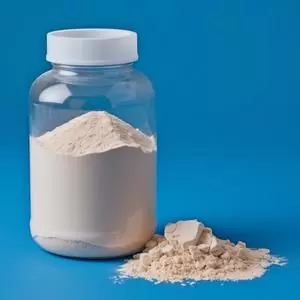
Where is whey powder used?
Whey powders are used as food ingredients in many applications including:
- frozen desserts
- bakery products
- health foods
- confectionery
- convenience foods
- chocolate making
- processed cheeses
- sweetened condensed milk
- dairy products
- infant nutrition
- biscuits
- ice cream
- cured meat products and sausages
- baby foods
There are several types of powders, but whey powder is one of the richest sources of protein and carbohydrates available.
Nutrition supplements
⠀⠀Whey powders are used as food ingredients in many applications, from chocolate and sugar confectionery, bakery, soups and sauces, baby foods, etc., with different types used in different foodstuffs.
⠀⠀There are four kinds of whey: sweet whey powder, demineralized whey powder, acid whey powder, native whey powder.
⠀⠀Our whey powders are an economical alternative to skimmed milk powder for chocolate applications as they are a source of lactose and work as bulking agents, which reduces costs for chocolate manufacturers. Whey powders can be Kosher certified.
⠀⠀Demineralised whey powder can be used in many different foods, it is commonly used in some such as infant foods (and goat milk substitutes), mineral salt content may need careful adjustment.
Food additive
⠀⠀Our sweet whey powders perfectly fit for sweetened condensed milk and evaporated milk. Their heat stable properties prevent from jellifying risks during the production of sweetened condensed milk and evaporated milk. Sweet whey powder provides a consistent and homogeneous texture. Its non-maillardize property helps to keep a creamy color.
⠀⠀Sweet whey powder is often part of biscuits ingredients list as lactose carrier but not only. Its balanced sweet and salty taste is especially appreciated in wafer fillings. Easy to mix with other ingredients in powder or liquid shape, sweet whey powder fits into many different kind of biscuits recipes.
⠀⠀Whey powder is used as an ingredient in the processing and production of a wide variety of foods, from chocolate and sugar confectionery, bread, soups and sauces, baby food, etc., with a variety of varieties, used in various foods.
Sweet whey powder
⠀⠀Sweet whey powder is obtained by drying pasteurized sweet whey which is by-product during the manufacturing process of cheeses such as swiss or cheddar. Sweet whey powder contains all the constituents of fresh whey, except moisture in the same relative proportion, Protein total 11 – 13 % and lactose 70 – 75%.
⠀⠀Sweet whey powder may be used to replace part nonfat milk in recipes. It imparts a sweet flavor, and is an excellent source of complete protein. Whey also has a shortening effect in doughs & is used in sausage making.
⠀⠀Sweet whey powder is regularly used in food products and bakeries for snack food, chocolate, confectionery, desserts, ice cream, sauces, processed cheese, soups, drinks, dressings. Sweet whey powder is also used in pet food and feed products.
Demineralised whey powder
⠀⠀Demineralised whey powders are often sought for their low mineral content. Demineralisation reduces excessively salty flavours in food application and limits minerals intake nutrition applications like infant formula.
⠀⠀Demineralised whey contains lactose and serum proteins with high nutritional value. When it is 90% demineralised, it is used for infant food. Demineralised whey helps standardise the serum protein, lactose and mineral contents of infant formula to be closer to breast milk composition.
Acid whey powder
⠀⠀Acid whey powder is manufactured by drying fresh whey obtained from soft white cheese,. Microbial fermentation lowers milk pH and changes lactose into lactic acid.
⠀⠀Lactose content of acid whey powder is lower than sweet whey powder. Its acid number is higher, it has, as a result, a more acidic taste than sweet whey.
Not right for everyone
⠀⠀Although whey powder is safe for most people to consume, certain people should avoid it. Whey powder isn’t appropriate for peeps with an allergy to cow’s milk proteins like casein and whey. Whey powder contains at lactose, it can’t be used by people who are lactose intolerant. Not vegan-friendly. If you have an allergy to cow’s milk proteins or are following a vegan or dairy-free diet, you should avoid products that contain whey powder.
SUMMARY:
Whey powder can be used in many different manners and serves as a great source of protein. Whey powder can be consumed in a wide range of applications: baked goods, chocolate and confectionery, dairy, ice cream, infant formula, clinical nutrition and pharmaceuticals. Our whey powders are an economical alternative to skimmed milk powder for chocolate applications as they are a source of lactose and work as bulking agents, which reduces costs for chocolate manufacturers.
Get a wholesale Whey powder supply price right now!
As a professional producer and supplier of Whey powder, Agrocomplex Sp. z o.o. has been selling Whey powder in Poland since 1992. Therefore, you can be sure that you are buying Whey powder from Agrocomplex. Please direct any questions and issues to the email address info@agrocomplex.com.pl, and we will respond within 1 business day.
FAQs: Where is whey powder used?
-
What are the common food applications of whey powder?
Whey powder is widely used in frozen desserts, bakery products, health foods, confectionery, convenience foods, chocolate making, processed cheeses, sweetened condensed milk, dairy products, infant nutrition, biscuits, ice cream, cured meat products, sausages, and baby foods. -
What are the different types of whey powder?
The main types of whey powder include sweet whey powder, demineralized whey powder, acid whey powder, and native whey powder. -
How is sweet whey powder used in sweetened condensed milk?
Sweet whey powder is used in sweetened condensed milk due to its heat-stable properties, which prevent jellifying during production and provide a consistent, homogeneous texture. Its non-Maillardizing property also helps maintain a creamy color. -
Why is demineralized whey powder used in infant formula?
Demineralized whey powder is used in infant formula because it has a low mineral content, reducing excessively salty flavors and standardizing the serum protein, lactose, and mineral contents to better match breast milk composition. Mineral salt content may need careful adjustment. -
What makes sweet whey powder suitable for biscuits?
Sweet whey powder is suitable for biscuits because it contains lactose, which acts as a carrier, and it offers a balanced sweet and salty taste. It mixes easily with other ingredients and can be used in various biscuit recipes. -
What is acid whey powder and how does it differ from sweet whey powder?
Acid whey powder is made from fresh whey obtained from soft white cheese production, where microbial fermentation lowers the pH and converts lactose into lactic acid. It has a lower lactose content and a more acidic taste compared to sweet whey powder. -
Who should avoid consuming whey powder?
People with an allergy to cow’s milk proteins (like casein and whey), those who are lactose intolerant, and individuals following a vegan or dairy-free diet should avoid products containing whey powder. -
How can sweet whey powder be used as a substitute for nonfat milk?
Sweet whey powder can replace part of the nonfat milk in recipes, imparting a sweet flavor and providing an excellent source of complete protein. It also has a shortening effect in doughs and is used in sausage making. -
What is the benefit of using whey powder in chocolate production?
Whey powder serves as an economical alternative to skimmed milk powder because it's a source of lactose and acts as a bulking agent. This helps reduce costs for chocolate manufacturers. -
Besides human foods, where else can sweet whey powder be used?
Sweet whey powder is also used in pet food and animal feed products.
Our offer