Rennet casein - functions and properties
What is rennet casein?
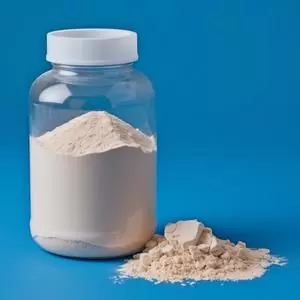
Rennet casein is a protein product that is created when rennet is added to pasteurized skim milk causing coagulation and precipitation of the casein protein. The general composition of is 80.5 percent protein, 0.5 percent lactose, 8 percent ash, 1 percent fat, and 10 percent moisture, all of which vary slightly by manufacturer. Rennet is a set of proteolytic enzymes that produced in the stomach lining of ruminant animals, but plant and microbially based rennet is commonly used in modern times. Rennet contains lipases, pepsins and most importantly chymosin that coagulates the casein proteins in milk.
How is rennet casein made?
Skim milk that has been pasteurized is heated and coagulated by rennet enzymes leading to precipitation of the casein protein. Once the milk has coagulated, the whey is drained off and the curds are washed thoroughly with water. The casein curds are pressed, ground down thoroughly, and dried with heat which evaporates out the remainder of the water left in the curds to form a powder.
What is rennet casein used for?
The primary use for rennet casein is as an additive in processed cheese and cheese analogues. Rennet casein is used to improve the texture, the stretch, and the ability of melting in processed cheeses. Through the addition of rennet casein into a processed cheese, the protein content can be increased, and the fat and sodium levels can be decreased. The addition of rennet casein can also aide in extending shelf life through its water retention properties. The same water retention properties of rennet casein that are used in the food products are utilized in industry in other non-food related items like paint, paper, and plastics.
What does rennet casein taste like?
Rennet casein overall has a very bland flavor profile in its most perfect form. Rennet casein more commonly has a tortilla and animal note with a sour taste. Towards the end of the rennet caseins’ shelf-life, the product starts to have stronger cardboard and paper notes. The mouthfeel is somewhat gritty as rennet casein is generally not soluble in water unless further treatments are added to modify the product. Rennet casein can have more aroma and some brothy or barny off flavors than other milk powders.
What are the functional properties of rennet casein?
The benefits of rennet casein are numerous in terms of processed cheese production. In a processed cheese, the addition of rennet casein aides to increase the texture, stretch and melting capabilities of the product. Rennet casein is used as an additive to improve nutritional benefits of a food by increasing the protein content. Rennet casein can also help to reduce the sodium and fat content of a food by reducing the use of additional emulsifying salts in processed cheese production. In industrial applications, rennet casein helps form films that can help to create strength in the product.
Get a wholesale Rennet casein supply price right now!
As a professional producer and supplier of Rennet casein, Agrocomplex Sp. z o.o. has been selling Rennet casein in Poland since 1992. Therefore, you can be sure that you are buying Rennet casein from Agrocomplex. Please direct any questions and issues to the email address info@agrocomplex.com.pl, and we will respond within 1 business day.

FAQs: Rennet casein - functions and properties
-
What exactly is rennet casein?
Rennet casein is a protein product derived from pasteurized skim milk. It's created by adding rennet, which causes the casein protein to coagulate and precipitate.
-
How is rennet casein actually manufactured?
Pasteurized skim milk is heated and then coagulated using rennet enzymes. The resulting casein curds are washed thoroughly with water, pressed, ground down, and then dried using heat to form a powder.
-
What are the common uses for rennet casein?
Rennet casein is primarily used as an additive in processed cheese and cheese analogues. It's also used in the manufacturing of paint, paper, and plastics.
-
What is the flavor profile of rennet casein?
Rennet casein typically has a very bland flavor, although it can sometimes have tortilla and animal notes with a sour taste. As it ages, it may develop cardboard or paper notes.
-
How does rennet casein feel in the mouth?
The mouthfeel of rennet casein is somewhat gritty, as it is generally not soluble in water unless specially treated.
-
What are the key benefits of using rennet casein in processed cheese production?
Rennet casein improves texture, stretch, and melting capabilities in processed cheese. It can also increase protein content and reduce sodium and fat levels.
-
Can rennet casein extend the shelf life of food products?
Yes, rennet casein's water retention properties can aid in extending the shelf life of food products.
-
What role does rennet casein play in industrial applications?
In industrial applications, rennet casein helps form films that can contribute to the strength of the product.
-
What is the general composition of rennet casein?
The general composition of rennet casein is typically around 80.5% protein, 0.5% lactose, 8% ash, 1% fat, and 10% moisture, though this can vary slightly by manufacturer.
-
Why is rennet casein added to processed cheese?
It's added to improve texture, stretch, and melting properties, as well as to potentially increase protein content while reducing fat and sodium.
Our offer