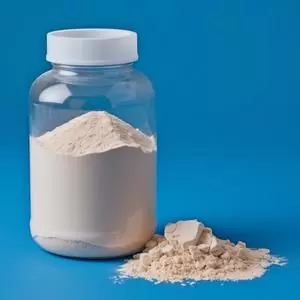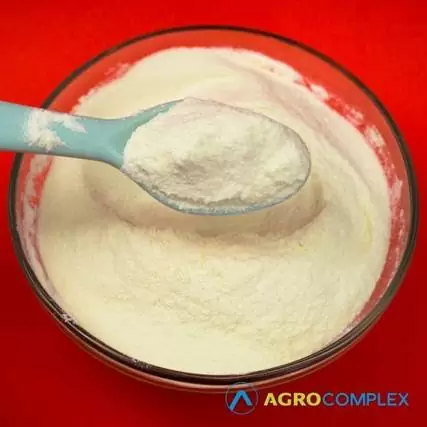
Application of milk powder
Milk powders contribute nutritionally, functionally and economically to a variety of food formulations including:
- bakery, pastry, chocolate
- confectionery
- dairy products
- desserts, ice-creams
- yoghurts
- meat
- nutritional beverages
- main dishes
- packaged dry mixes
- soups, sauces and dressings
- frozen foods
- coffee (tea) whitener
- baby food
- animal feed
There are several types of powders, but milk powder is recognized as an excellent source of high-quality protein.
Nutrition supplements
⠀Typical applications of milk powder: baked goods, confections, dairy/recombined milk, yogurt, nutritional beverages, prepared foods, sauces & soups, salad dressings, meat, frozen desserts and prepared mixes as:
- Browning/color – Accentuates color development during cooking and baking. Enhances the color of viscous products such as sauces and soups. Improves opacity in lower fat foods.
- Flavor enhancement – Can provide baked flavor during baking and heating. Can provide creamy dairy notes. Ensures even flavor distribution.
- Emulsification – Prevents fat globules from forming one large mass, improving product appearance. All-natural emulsifying ingredient.
- Gelling & heat setting – Improves mouthfeel. Helps provide the creamy, smooth texture of fat, enhancing customer appeal for lower-fat products.
- Nutritional enrichment – Can improve the nutritional profile of a food product. Provides vitamin and mineral fortification. Represents a natural source of soluble vitamins.
- Solubility – Some milk powders disperse well in food systems. Prevents sedimentation in beverages, soups & sauces.
- Water binding & viscosity building – Provides fat-like attributes in products, allowing a reduction in fat content. Improves product texture, creating moister products.
- Whipping, foaming & aeration – Maintains foam properties, which enhances visual appeal of the finished product, as well as taste and texture.
Food additive
⠀⠀Milk powder is recognized as an excellent source of high-quality protein. Protein accounts for 38% of the total solids-not-fat content of milk. Milk powder also contains small amounts of various enzymes. Of the total milk protein, about 80% is casein and 20% is whey protein.
Lactose, the principal carbohydrate in milk powder, accounts for about 54% of the total solids-not-fat content of milk.
⠀⠀The building blocks of protein are amino acids. There are about 20 amino acids in all, and at least nine of them are dietary essentials. Milk powders contain all of these essential amino acids, plus others that are required by children, in significant quantities.
⠀⠀Milk powders and milk products are important sources of major minerals-particularly calcium, phosphorous, magnesium, potassium and trace elements such as zinc.
⠀⠀Milk’s protein content alone makes it and its products an essential component of the diet.
⠀⠀Milk contains many of the vitamins essential for human growth. The vitamin content of milk powders is similar to what would be found in the fluid milk from which it was derived. Vitamins A, D, E and K are associated with the fat component of milk and are therefore contained in greater amounts in dry whole milk/whole milk powder than in reduced-fat milk powders.
⠀⠀In addition to the essential fat-soluble vitamins, milk and other dairy foods also contain all of the water-soluble vitamins required by humans in varying amounts.
Skimmed milk powder
⠀⠀Skimmed milk powder is used as an alternative to fresh milk. It can be used after dissolution in water or by direct adding of the powder into a formulation. It is used to standardize dry matter or to optimize protein content.
⠀⠀Powdered skim milk is often used in products based on reconstituted milk, like:
- yogurt, dairy dessert, ice creams
- confectionery
- bakery, chocolates
- baby food
- animal feed
Full cream milk powder
⠀⠀Full cream milk powder has overall the same advantages and benefits of the liquid whole fat milk. But in the dried form it has a much longer shelf life and for this reason food producers use it for many purposes.
⠀⠀Full cream milk powder is used in:
- bakery, pastry, chocolate
- soups, sauces and dressings
- desserts, ice-creams
- confectionery
- coffee coloring
Fat filled milk powder
⠀⠀Fat filled milk powder is produced by blending skimmed milk powder and vegetable fat. In fat filled milk powders the proteins are coming from non-fat milk solids. The fat is of vegetable origin. The vegetable fat is mostly coming from products as palm oil or coconut oil.
⠀⠀Applications of fat filled milk powder:
- dairy products
- bakery and pastry
- ice cream
- yoghurts
- beverages (as an alternative for fresh liquid milk)
- coffee (tea) whitener
Not right for everyone
⠀⠀Although milk powder is safe for most people to consume, certain people should avoid it. Milk powder isn’t appropriate for peeps with an allergy to cow’s milk proteins like casein and whey. Milk powder contains at least 54% lactose, it can’t be used by people who are lactose intolerant. Not vegan-friendly. If you have an allergy to cow’s milk proteins or are following a vegan or dairy-free diet, you should avoid products that contain milk powder.
SUMMARY:
Milk powders provide many functional benefits as food ingredients. Milk powders contribute nutritionally, functionally and economically to a variety of food formulations including bakery, confectionery, dairy, meat, nutritional beverages and main dishes. Milk powders are a source of high-quality protein, with the amino acids readily digestible and completely bioavailable.
Get a wholesale Milk powder supply price right now!
As a professional producer and supplier of Milk powder, Agrocomplex Sp. z o.o. has been selling Milk powder in Poland since 1992. Therefore, you can be sure that you are buying Milk powder from Agrocomplex. Please direct any questions and issues to the email address info@agrocomplex.com.pl, and we will respond within 1 business day.
FAQs: Application of milk powder
-
What food formulations benefit from milk powder?
Milk powders contribute nutritionally, functionally, and economically to a variety of food formulations, including bakery, pastry, chocolate, confectionery, dairy products, desserts, ice creams, yoghurts, meat, nutritional beverages, main dishes, packaged dry mixes, soups, sauces and dressings, frozen foods, coffee (tea) whitener, baby food, and animal feed. -
What are the nutritional benefits of milk powder?
Milk powder is an excellent source of high-quality protein, containing all essential amino acids. It also provides essential minerals like calcium, phosphorus, magnesium, potassium, and trace elements such as zinc, as well as vitamins A, D, E, K, and water-soluble vitamins. -
How does milk powder enhance baked goods?
Milk powder accentuates color development during cooking and baking, provides baked flavor, ensures even flavor distribution, and improves product texture by creating moister products. -
What are the functional roles of milk powder in food processing?
Milk powder functions as a browning/color enhancer, flavor enhancer, emulsifier, gelling and heat setting agent, nutritional enrichment, solubility aid, water binding and viscosity building agent, and whipping, foaming & aeration agent. -
What is the difference between skimmed milk powder and full cream milk powder?
Skimmed milk powder is used as an alternative to fresh milk, primarily to standardize dry matter or optimize protein content. Full cream milk powder has the same advantages as liquid whole fat milk but with a longer shelf life. -
What is fat filled milk powder and how is it used?
Fat filled milk powder is produced by blending skimmed milk powder and vegetable fat (often palm oil or coconut oil). It's used in dairy products, bakery, ice cream, yoghurts, beverages, and as a coffee (tea) whitener. -
Who should avoid consuming milk powder?
People with an allergy to cow’s milk proteins (casein and whey), those who are lactose intolerant, and individuals following a vegan or dairy-free diet should avoid products containing milk powder. -
What is the lactose content of milk powder?
Milk powder contains at least 54% lactose, making it unsuitable for people with lactose intolerance. -
How is skimmed milk powder used in reconstituted milk products?
Powdered skim milk is often used in products based on reconstituted milk, like yogurt, dairy desserts, ice creams, confectionery, bakery, chocolates, baby food, and animal feed. -
What vitamins are found in milk powder?
Milk powder contains vitamins A, D, E, and K (associated with the fat component) and all of the water-soluble vitamins required by humans in varying amounts. Dry whole milk/whole milk powder contains greater amounts of the fat-soluble vitamins compared to reduced-fat milk powders.
Our offer