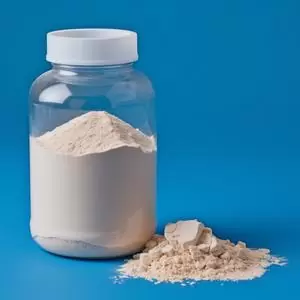
Why Powdered Ingredients Are So Popular?
Milk, whey, and other dairy ingredients can arrive at food factories as liquids or powders. For many manufacturers, dry forms make everyday production easier. They offer a practical way to manage ingredients, storage, and recipe consistency.
Powdered dairy ingredients are popular because removing water improves storage stability and makes ingredients easier to transport, measure, and use. Their benefits extend beyond convenience. Different powders also help food producers control flavor, texture, and nutritional composition.
How Are Powdered Dairy Ingredients Made?
Liquid milk and whey consist mostly of water. During drying, producers remove much of that water while retaining useful dairy solids. These may include proteins, lactose, minerals, and fat, depending on the product.
Spray drying is one of the most common methods used in dairy powder production. The liquid ingredient is concentrated and then sprayed into heated air. Water evaporates rapidly, leaving fine powder particles that can be collected and packaged.
Some ingredients undergo filtration or other separation steps before drying. As a result, their composition can differ considerably. Milk powders, whey powders, protein concentrates, and lactose are all produced for different manufacturing purposes.
Why Does Lower Moisture Improve Storage?
Water supports many microbial processes and chemical changes in food. Removing it lowers water activity, which can limit microbial growth under suitable storage conditions. This is one reason dairy powders often last longer than corresponding liquid ingredients.
However, drying does not make an ingredient sterile. Some microorganisms can survive in low-moisture products, even when they cannot grow. Safe production, suitable packaging, and proper handling remain essential.
Dairy powders also need protection from moisture, heat, and oxygen. Fat-containing varieties can develop unwanted flavors through oxidation over time. Therefore, shelf life depends on the ingredient, its packaging, and the recommended storage conditions.
Easier Storage and Transportation
Shipping a dry dairy ingredient means transporting much less water than its liquid equivalent. This can reduce shipping weight for the same amount of dairy solids. It may also simplify warehouse storage and handling.
Many properly packaged dairy powders can be stored without refrigeration while remaining unopened. This is especially useful for manufacturers receiving ingredients from international suppliers. Nevertheless, storage areas must remain clean, dry, and within the recommended temperature range.
Powders are also convenient for bulk handling. Industrial packaging allows companies to organize deliveries around their production schedules. Bags, pallet quantities, and larger shipment formats can support different purchasing requirements.
These advantages become particularly relevant in international supply chains. Transport costs still depend on shipment size, route, packaging, and handling requirements. Even so, removing unnecessary water can make dairy ingredient logistics more efficient.
More Control Over Food Formulations
Industrial food production depends on accurate ingredient quantities. Dry powders can be weighed and dosed according to predefined recipes. When batches meet consistent specifications, manufacturers can achieve more predictable results.
Consider Skimmed Milk Powder, which provides milk proteins, lactose, and minerals with very little fat. Manufacturers can use it to increase milk solids without significantly raising fat content. This is useful when nutritional composition needs careful adjustment.
However, consistent composition is only one part of reliable production. Particle size, dispersibility, and powder flow also influence manufacturing performance. Humidity can cause clumping, while unsuitable mixing conditions may produce uneven ingredient distribution.
Quality teams therefore review both chemical composition and physical characteristics. Such checks help maintain recipe consistency across production batches.
Can Dairy Powders Be Used in Liquid and Dry Foods?
One advantage of dairy powders is their flexibility. Some can be mixed with water to prepare liquid ingredients. Others are added directly to doughs, fillings, beverages, or dry food blends.
In instant drink mixes, dispersibility and flavor are particularly important. In bakery products, dairy solids can contribute to browning and taste. Meanwhile, cultured dairy foods may use additional milk solids to adjust body and texture.
Not every dairy powder dissolves or reconstitutes in the same way. Hydration time, water temperature, acidity, and mixing intensity can affect the result. Manufacturers must therefore select ingredients that match their production methods.
Dry blending also offers practical advantages. Ingredients can be combined before water is introduced into the manufacturing process. This approach is widely used for ready-to-prepare products and powdered nutritional formulations.
Where Are Powdered Dairy Ingredients Used?
Powdered dairy ingredients appear in many food categories. Their role depends on the required nutritional composition and functional properties. A bakery manufacturer may need different ingredients than a beverage or dessert producer.
Bakery and Confectionery
Dairy powders can contribute to flavor, color, and texture in baked products. Sweet Whey Powder supplies lactose and other whey solids, which can influence browning during heating. The result depends on temperature, moisture, and the complete recipe.
These ingredients also appear in biscuits, cakes, chocolate products, and confectionery fillings. Their mild dairy flavor can complement other ingredients without dominating the finished product.
Ice Cream and Dairy Desserts
Ice cream and dairy desserts require careful control over fat, protein, and total solids. Full Cream Milk Powder provides natural milk fat alongside proteins, lactose, and minerals. It can contribute richness and a creamy mouthfeel in suitable formulations.
Other dairy powders help manufacturers adjust protein concentration and consistency. However, selecting the right ingredient requires balancing all components of the recipe.
Beverages and Nutritional Products
Protein-enriched beverages and nutritional foods often require concentrated dairy proteins. Whey Protein Concentrate provides a higher protein concentration than conventional whey powder. Its functional characteristics can also influence beverage texture and processing behavior.
Dry nutritional products benefit from convenient measurement and blending. However, solubility, flavor, and stability remain important when developing the finished formulation.
Instant Foods and Dry Mixes
Dry ingredients are especially useful in powdered soups, sauces, dessert mixes, and other convenience foods. They allow manufacturers to incorporate dairy components without introducing unnecessary liquid during production.
Lactose can provide mild sweetness and additional solids in selected formulations. Other dairy powders may contribute protein, minerals, or flavor. The ingredient choice depends on the required characteristics of the final product.
Not Every Dairy Powder Works the Same Way
Although dairy powders share a common origin, they are not interchangeable. Milk powders, whey powders, concentrated proteins, and lactose have different compositions. Their behavior during heating, mixing, and storage can vary considerably.
A high-protein ingredient may be valuable in nutritional products but unnecessary in a simple bakery formulation. Similarly, a powder containing milk fat may produce different results from a low-fat alternative. Choosing ingredients only by price can therefore affect product quality.
Manufacturers need to consider the intended application and the complete formulation. The most expensive ingredient is not automatically the most suitable. Likewise, the lowest-cost option may require adjustments elsewhere in the recipe.
What Should Manufacturers Check Before Buying Dairy Powders?
Bulk purchasing requires more than confirming product availability. Technical and purchasing teams must ensure that an ingredient meets production requirements. Several characteristics deserve attention before selecting a supplier.
- Composition. Protein, fat, lactose, and mineral levels should match the intended formulation.
- Moisture content. Suitable moisture levels support storage stability and powder quality.
- Solubility and dispersibility. These properties are especially important for beverages and products requiring reconstitution.
- Powder characteristics. Particle size, flowability, and resistance to clumping can influence handling.
- Packaging and storage. Suitable packaging protects ingredients during transportation and warehouse storage.
- Quality documentation. Product specifications and certificates of analysis help verify relevant parameters.
Suppliers should also provide information about shelf life and recommended storage conditions. These details help manufacturers plan inventory and reduce the risk of quality problems.
Reliable ingredient specifications support consistent production, but they do not replace proper process control. Each powder should be evaluated under the conditions in which it will be used.
Powdered Dairy Ingredients for Industrial Manufacturing
Agrocomplex produces and supplies powdered dairy ingredients for food manufacturers, distributors, and industrial customers. Our portfolio includes milk powders, whey powders, protein concentrates, casein ingredients, lactose, and permeates. These products support a wide range of nutritional and functional requirements.
Our milk and whey powder range includes ingredients for bakery, confectionery, beverages, dairy products, and other applications. Bulk packaging options include 25 kg bags, pallet quantities, and larger industrial shipments. Product specifications and relevant quality documentation are available to support ingredient selection.
Powdered dairy ingredients offer more than convenient storage. They help manufacturers manage dairy solids, maintain consistent formulations, and simplify many production processes. Their real value comes from choosing the right ingredient for each application.
Get a wholesale Dry Dairy Ingredients supply price right now!
As a professional producer and supplier of Dry Dairy Ingredients, Agrocomplex Sp. z o.o. has been selling Dry Dairy Ingredients in Poland since 1992. Therefore, you can be sure that you are buying Dry Dairy Ingredients from Agrocomplex. Please direct any questions and issues to the email address info@agrocomplex.com.pl, and we will respond within 1 business day.
Frequently Asked Questions
-
Why are powdered dairy ingredients popular in food manufacturing?Powdered dairy ingredients offer convenient storage, easier transportation, and precise formulation control. Their low moisture content supports longer shelf life under suitable conditions. They also provide nutritional and functional properties for different food applications.
-
Do powdered dairy ingredients need refrigeration?Many properly packaged dairy powders can be stored without refrigeration while unopened. However, they require suitable temperature and humidity conditions. Storage requirements depend on the ingredient, packaging, and manufacturer specifications.
-
Do dairy powders have a longer shelf life than liquid milk?Generally, yes. Removing most of the water reduces water activity and limits microbial growth under suitable conditions. However, drying does not sterilize the product. Shelf life also depends on packaging, moisture exposure, and storage temperature.
-
Can powdered dairy ingredients replace liquid ingredients?Some dairy powders can be mixed with water and used in place of corresponding liquid ingredients. Others are added directly to food formulations. Manufacturers must consider water balance, solubility, flavor, and processing requirements before making substitutions.
-
What should manufacturers consider when buying dairy powders in bulk?Manufacturers should evaluate protein, fat, lactose, moisture, solubility, and relevant quality parameters. Packaging, shelf life, storage requirements, and product documentation are also important. The selected powder must meet the needs of the intended food application.
Our offer