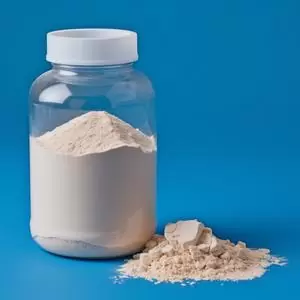
Whey Powders Are More Than Just Sports Nutrition
Whey powders are often associated with protein shakes and sports nutrition. Yet these dairy ingredients appear in many familiar foods. They contribute solids, flavor, color, and useful processing properties in bakery, confectionery, desserts, and nutritional products.
Most conventional whey powders come from whey separated during cheese production. After processing and drying, manufacturers receive a practical ingredient for many recipes. However, whey powder is not the same as a concentrated whey protein supplement.
What Is Whey Powder?
Whey is the liquid that remains after milk proteins form curds during cheesemaking. It contains water, lactose, whey proteins, and minerals. Manufacturers remove much of the water before drying the remaining solids into powder.
Whey powder is a dried dairy ingredient used to supply milk-derived solids and support the properties of processed foods. Its exact composition depends on the whey source and subsequent processing. As a result, different powders can behave quite differently in the same recipe.
Conventional sweet whey powder usually contains more lactose than protein. That makes it useful for applications beyond protein enrichment. Meanwhile, specialized whey products can be processed to change their mineral composition or preserve different protein characteristics.
Why Do Food Manufacturers Use Whey Powders?
Whey powders bring several ingredients together in one convenient format. Lactose contributes mild sweetness and can participate in browning reactions. Proteins and minerals also influence flavor, texture, and manufacturing performance.
However, these effects depend on the formulation and processing conditions. A powder that works well in biscuits may not suit a delicate nutritional drink. Therefore, selecting the correct whey type matters as much as deciding how much to add.
Bakery Products and Confectionery
Whey powder can help bakers build flavor and develop attractive color during heating. Its lactose may take part in Maillard reactions with amino compounds. This can contribute to browning in biscuits, cakes, and other baked foods.
In confectionery, whey powder supplies dairy solids and a mild dairy taste. It may also affect the consistency of fillings and chocolate-based formulations. However, manufacturers must balance sweetness, moisture, and texture to achieve reliable results.
Ice Cream and Dairy Desserts
Whey ingredients can contribute dairy solids to ice cream, frozen desserts, and other sweet products. In suitable formulations, they help manufacturers adjust body, flavor, and mouthfeel. Their effects depend on the other milk ingredients and the overall solids balance.
For example, too much lactose can encourage crystallization and create a sandy texture in frozen desserts. Careful formulation is therefore essential. Whey powder works best when its lactose and mineral content match the desired product characteristics.
Dry Mixes and Convenience Foods
Powdered food mixes need ingredients that are easy to handle and distribute evenly. Whey powder can provide dairy solids without adding liquid during production. It is used in selected soups, sauces, instant foods, and prepared mixes.
Its taste and solubility also matter. A mildly flavored whey powder may suit one recipe, while a more acidic ingredient may suit another. Therefore, manufacturers should test performance in the complete formulation.
Specialized Nutrition
Some whey ingredients are used in specialized nutritional products, including certain infant formula formulations. Demineralized whey powder is particularly relevant because manufacturers can reduce its original mineral content. This supports more precise control of the final mineral balance.
However, an ingredient’s suitability depends on its grade and the full formula. Infant nutrition products must meet strict compositional and safety requirements. Demineralized whey powder alone is not a complete infant formula.
What Are the Different Types of Whey Powder?
Not every whey powder comes from the same process. The origin, acidity, mineral content, and treatment of the whey affect its properties. Agrocomplex supplies four types for different manufacturing requirements.
Sweet Whey Powder
Sweet Whey Powder generally comes from cheese production using rennet coagulation. It has a relatively mild dairy flavor and contains lactose, whey proteins, and minerals. Therefore, manufacturers use it in bakery products, confectionery, dairy blends, and selected convenience foods.
Its broad range of applications makes it a practical choice for many recipes. However, manufacturers should check the actual composition rather than relying on the name alone.
Demineralized Whey Powder
Demineralized Whey Powder is processed to remove a defined proportion of minerals. Different grades provide different levels of mineral reduction. As a result, manufacturers can select an ingredient with a more suitable mineral profile.
This type is used in specialized nutrition and selected bakery or confectionery products. In infant nutrition, strict specifications determine whether a particular grade is suitable.
Acid Whey Powder
Acid Whey Powder comes from acid-coagulated dairy products, including certain fresh cheeses. Compared with sweet whey, it usually has a more acidic flavor and a different mineral balance. These properties can make it suitable for selected food formulations, fermentation processes, and animal nutrition.
Its distinct composition needs careful consideration during product development. For example, acidity can influence flavor and processing behavior.
Native Whey Powder
Native Whey Powder is described in Agrocomplex’s product range as being obtained directly from milk. Unlike conventional cheese whey, it does not depend on a cheesemaking step. This production route can support a mild flavor and useful protein properties.
Native whey ingredients can be considered for selected beverages, dairy products, and nutritional formulations. However, buyers should confirm protein content and functionality from the individual product specification.
Is Whey Powder the Same as Whey Protein Powder?
The names sound similar, but the ingredients are not necessarily interchangeable. Conventional whey powder supplies lactose, proteins, and minerals, with lactose often making up the largest share. Whey protein concentrates undergo further processing to increase the proportion of protein.
For example, Whey Protein Concentrate is commonly selected when higher protein content is a main formulation goal. Standard whey powders are often chosen for their broader contribution to dairy solids, flavor, and processing properties.
Therefore, manufacturers should compare specifications before substituting one ingredient for another. The choice affects nutritional values, texture, cost, and the finished product.
How Do Manufacturers Choose the Right Whey Powder?
The best whey powder depends on the food being produced. A bakery manufacturer may prioritize browning and flavor. Meanwhile, a producer of specialized nutrition may place greater importance on mineral composition and strict specifications.
Before ordering, food manufacturers should consider several practical questions.
- Composition. What levels of lactose, protein, fat, and minerals does the product contain?
- Flavor. Will its mild or acidic dairy notes complement the recipe?
- Functionality. How will it behave during mixing, heating, and storage?
- Powder properties. Are its solubility, moisture, and handling characteristics suitable for production?
- Quality requirements. Does the grade meet the product’s technical and regulatory specifications?
Testing the powder within the full recipe is often more useful than judging one parameter alone. In addition, reliable documentation helps purchasing and quality teams compare batches and suppliers.
Whey Powders for Bulk Food Production
Agrocomplex produces and supplies whey powder ingredients for food manufacturers, distributors, and industrial customers. Our range includes Sweet Whey Powder, Demineralized Whey Powder, Acid Whey Powder, and Native Whey Powder. Each product serves different formulation requirements.
Bulk supply options include 25 kg bags and larger industrial shipments. Product specifications and quality documentation help customers select suitable ingredients. Packaging and logistics arrangements depend on the product and order requirements.
Explore our milk and whey powder range to compare the available products. You can also read more about where whey powder is used in everyday food manufacturing.
Whey powders do much more than appear in sports nutrition. They contribute to familiar foods through their lactose, proteins, minerals, and functional properties. The right ingredient can help manufacturers achieve the desired taste, texture, and consistency.
Get a wholesale Whey powder supply price right now!
As a professional producer and supplier of Whey powder, Agrocomplex Sp. z o.o. has been selling Whey powder in Poland since 1992. Therefore, you can be sure that you are buying Whey powder from Agrocomplex. Please direct any questions and issues to the email address info@agrocomplex.com.pl, and we will respond within 1 business day.
Frequently Asked Questions
-
What is whey powder used for besides sports nutrition?Whey powder is used in bakery products, confectionery, dairy desserts, ice cream, dry food mixes, and selected nutritional formulations. It provides dairy solids and can contribute to flavor, browning, texture, and processing performance.
-
What is the difference between sweet whey powder and acid whey powder?Sweet whey powder generally comes from rennet-coagulated cheese production and has a relatively mild dairy flavor. Acid whey powder comes from acid-coagulated dairy products and usually has a more acidic taste and different mineral composition.
-
Why is demineralized whey powder used in infant nutrition?Demineralized whey powder has a reduced mineral content, allowing manufacturers to control the mineral balance of specialized nutritional formulations. However, ingredients used in infant formula must meet strict quality, safety, and compositional requirements.
-
Is whey powder the same as whey protein concentrate?No. Conventional whey powder contains lactose, whey proteins, and minerals, with lactose usually forming the largest proportion. Whey Protein Concentrate undergoes additional processing to increase protein content and is often selected for protein-enriched foods.
-
What should manufacturers check when buying whey powder in bulk?Manufacturers should review lactose, protein, fat, mineral content, moisture, solubility, and relevant quality documentation. They should also consider packaging, storage conditions, processing requirements, and the intended food application before selecting a supplier.
Our offer