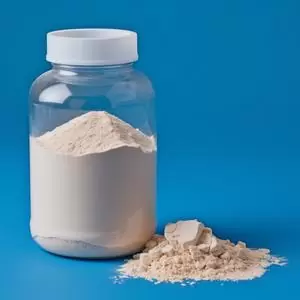
Where Is Casein Found in Everyday Food?
Casein is part of many foods people eat without giving it much thought. It is the main protein in cow’s milk and occurs naturally in cheese, yogurt, and dairy desserts. Food manufacturers also use casein ingredients to improve texture, create structure, and increase protein content.
Casein is found naturally in milk-based foods and may also be added to processed foods as a functional dairy protein. Its properties make it useful in everything from traditional cheese to protein bars and creamy fillings. However, its role depends on the product and the way it is processed.
What Is Casein and Where Does It Come From?
Casein accounts for approximately 80% of the protein in cow’s milk. The remaining protein mainly consists of whey proteins. Both provide essential amino acids, but their structures and functional properties differ.
In milk, casein forms tiny structures called micelles, which contain associated calcium and phosphate. These structures influence how milk behaves during heating, acidification, and cheesemaking. When milk coagulates during traditional cheese production, casein forms much of the solid curd. Meanwhile, many whey proteins remain in the liquid whey.
Because casein is naturally present in milk, it also occurs in many dairy products. However, manufacturers can separate and process it into concentrated ingredients for specific food applications.
Which Everyday Foods Naturally Contain Casein?
Many familiar dairy products contain casein without needing any additional protein ingredients. Its presence comes directly from the milk used during production.
Milk and Yogurt
Milk is the most obvious source of casein. Whether whole, semi-skimmed, or skimmed, cow’s milk naturally contains this protein. Removing milk fat does not remove the casein.
Yogurt also contains casein because it is made from milk. During fermentation, bacteria produce lactic acid, which changes the behavior of milk proteins. As a result, casein helps create the structure and consistency associated with yogurt.
Strained yogurt products can contain more protein per serving because part of the liquid is removed. However, the final protein content depends on the manufacturing process and formulation.
Cheese and Cottage Cheese
Cheese is one of the richest everyday sources of casein. During cheesemaking, much of the casein becomes concentrated in the curd. This protein network helps give cheese its characteristic structure.
Hard cheeses, soft cheeses, and cottage cheese all contain casein, although their protein concentrations vary. Moisture content, fat levels, and production methods influence the finished product.
Casein also helps explain why different cheeses behave differently when heated or sliced. However, calcium balance, moisture, fat, and processing conditions are equally important.
Ice Cream and Dairy Desserts
Milk-based ice cream, custards, and creamy desserts naturally contain casein from their dairy ingredients. In these products, milk proteins contribute to body, texture, and stability.
For example, casein helps support the structure of dairy emulsions. Together with fat and other ingredients, it contributes to a smooth eating experience. However, the exact result depends on the complete formulation.
Some dairy desserts also contain added milk protein ingredients to achieve a thicker consistency or higher protein content.
Where Is Casein Added During Food Manufacturing?
Casein is not limited to foods made primarily from milk. Manufacturers also use concentrated dairy proteins in products requiring particular nutritional or functional properties.
In these applications, casein may be added directly or through ingredients such as caseinates and milk protein concentrates.
Protein Bars and Nutritional Products
Protein bars are a common example of foods containing added casein. Manufacturers may combine different proteins to achieve the desired nutritional composition and texture. Casein can contribute protein while influencing firmness and moisture management.
Some nutritional powders also contain Micellar Casein, which retains much of the natural micellar structure found in milk. This ingredient is often selected for high-protein formulations and its relatively slow digestion profile.
However, not every protein bar or nutritional product contains casein. The ingredients depend on the manufacturer’s formulation and intended product characteristics.
Processed Cheese and Savory Foods
Casein ingredients are also used in processed cheese and selected savory products. They can help manufacturers manage protein content, texture, and the behavior of the finished food.
For example, Rennet Casein is used in certain processed cheese formulations. Its protein structure and calcium content can contribute to the desired texture and melting behavior.
Meanwhile, caseinates may be included in creamy sauces, prepared foods, and other emulsified products. They help stabilize mixtures containing fat and water.
The role of these ingredients is particularly important in processed cheese manufacturing, where texture and melting properties require careful control.
Bakery Products and Confectionery
Some bakery products contain casein through milk powder, butter-containing dairy blends, or other milk-based ingredients. Manufacturers may also add concentrated dairy proteins for specific functional purposes.
In selected fillings, cakes, and confectionery products, casein ingredients can influence texture and moisture management. They may also contribute to the protein content of specialized products.
However, not every biscuit, cake, or confectionery item contains casein. Its presence depends on the recipe and the dairy ingredients used.
Why Is Casein Useful in Food Production?
Casein has several properties that make it valuable beyond its nutritional composition. Food manufacturers use these characteristics to achieve consistent results during processing and storage.
Structure and Texture
Casein proteins interact with water and other ingredients, influencing the consistency of many food systems. In dairy products, they help form structures that determine firmness and texture.
For example, casein contributes to the gel network in yogurt and the protein structure of cheese. In other formulations, selected casein ingredients help create body and improve texture.
Protein Enrichment
Casein provides essential amino acids and can increase the protein content of finished foods. Therefore, it is widely considered for nutritional products, protein-enriched desserts, and specialized food formulations.
Manufacturers may also use Milk Protein Concentrate, which contains both casein and whey proteins. This allows them to increase milk protein content while retaining the natural balance of these protein groups.
Are All Casein Ingredients the Same?
Although they originate from milk, casein ingredients are not interchangeable in every application. Their processing methods affect solubility, mineral composition, and functional behavior.
Micellar casein retains much of the natural micellar structure of milk casein. Rennet casein is produced through enzymatic coagulation and retains associated calcium. Consequently, these ingredients can behave differently during food processing.
Acid Casein is produced through acid precipitation and generally contains less calcium than rennet casein. It can be used in food formulations and further processed into caseinates.
Caseinates are produced by neutralizing casein with suitable alkaline compounds. Different mineral forms offer different properties, including changes in solubility and emulsification.
Therefore, manufacturers must select the appropriate ingredient rather than treating all casein products as identical.
How Can You Recognize Casein on a Food Label?
Casein does not always appear under its own name in an ingredient list. Sometimes it is naturally present through milk, yogurt, cheese, or milk powder. In other products, manufacturers use concentrated dairy ingredients.
Depending on the formulation, an ingredient list may include names such as:
- Casein
- Micellar casein
- Milk protein concentrate
- Milk protein isolate
- Milk powder
These ingredients can contain casein, although their compositions differ. Milk protein concentrates and isolates, for example, generally contain both casein and whey proteins.
Casein is also important for people with milk allergies because it is a milk protein. Lactose intolerance is different because it concerns the digestion of milk sugar.
Consequently, lactose-free dairy products may still contain casein. People avoiding milk proteins should check the ingredient list and allergen information carefully.
Choosing Casein Ingredients for Food Manufacturing
For food producers, choosing a casein ingredient involves more than comparing protein percentages. The required functionality depends on the finished product and its processing conditions.
Several characteristics deserve attention during ingredient selection.
- Protein content. Different ingredients provide different concentrations of milk protein.
- Solubility. Some casein ingredients disperse more easily in water than others.
- Mineral composition. Calcium and other minerals influence functionality and processing behavior.
- Texture requirements. The ingredient should support the desired consistency and structure.
- Processing conditions. Temperature, pH, mixing, and hydration can influence performance.
- Quality specifications. Consistent composition and documented parameters support reliable industrial production.
For example, processed cheese manufacturers may prioritize texture and melting behavior. Meanwhile, producers of nutritional powders may focus on protein concentration, dispersibility, and ingredient composition.
In both cases, the most suitable ingredient depends on the complete formulation rather than one isolated characteristic.
Casein for Food Manufacturing and Bulk Supply
Agrocomplex produces and supplies casein ingredients for food manufacturers, distributors, and industrial customers. Its casein product range includes different grades for nutritional and functional applications.
Available products include Acid Casein, Rennet Casein, and Micellar Casein. Agrocomplex also supplies caseinates for formulations requiring specific solubility, emulsification, and texture characteristics.
Bulk packaging includes 25 kg bags and larger industrial quantities. Product specifications and quality documentation help manufacturers select suitable grades for their production needs.
Casein is already present in many everyday foods, from milk and cheese to yogurt and dairy desserts. However, its applications extend much further. In processed foods, this natural milk protein can also help create the texture, stability, and nutritional composition manufacturers need.
Get a wholesale Casein supply price right now!
As a professional producer and supplier of Casein, Agrocomplex Sp. z o.o. has been selling Casein in Poland since 1992. Therefore, you can be sure that you are buying Casein from Agrocomplex. Please direct any questions and issues to the email address info@agrocomplex.com.pl, and we will respond within 1 business day.
Frequently Asked Questions
-
Which foods naturally contain casein?Casein is naturally found in milk and dairy products, including cheese, yogurt, cottage cheese, and milk-based desserts. It makes up approximately 80% of the protein in cow's milk. Its concentration varies depending on the product and manufacturing process.
-
Is casein only found in cheese and dairy products?No. Casein is naturally present in dairy foods, but manufacturers also add casein ingredients to selected processed foods. These may include protein bars, nutritional products, creamy fillings, sauces, and bakery formulations. Not every product in these categories contains casein.
-
Why is casein added to processed foods?Casein can increase protein content and contribute to texture, structure, and water binding. Certain casein-derived ingredients also support emulsification and stability. Manufacturers select them according to the desired product characteristics and processing requirements.
-
What is the difference between casein and caseinates?Casein is a natural milk protein. Caseinates are produced by neutralizing casein with suitable alkaline compounds. This processing changes properties such as solubility and emulsification, making caseinates useful in selected food formulations.
-
Do lactose-free dairy products still contain casein?Yes, many lactose-free dairy products still contain casein. Removing or breaking down lactose does not automatically remove milk proteins. Therefore, lactose-free milk and other dairy products may still be unsuitable for people with milk protein allergies.
Our offer