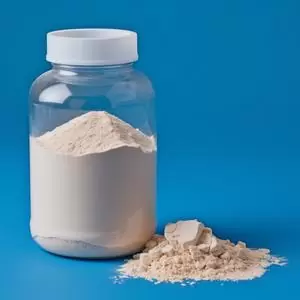
Milk Powder - Why It’s Used Everywhere
Milk powder rarely gets much attention on a food label. Yet it helps shape products people buy every day. Bakers, confectionery manufacturers, and dairy producers use it for reasons beyond convenience.
Milk powder is used in food production because it supplies concentrated milk solids without adding liquid water. It can improve flavor, texture, consistency, and nutritional composition. In addition, its dry format makes storage, transportation, and large-scale manufacturing easier.
From chocolate and ice cream to bread and instant drinks, this familiar dairy ingredient has many different jobs.
How Is Milk Powder Made?
Milk powder is produced by removing most of the water from liquid milk. First, the milk is prepared and pasteurized. It is then concentrated through evaporation before undergoing spray drying. During this process, fine droplets dry rapidly in a stream of heated air.
The result is a powder containing the main solids naturally present in milk. These include milk proteins, lactose, and minerals. Full cream varieties also retain natural milk fat, while skimmed milk powder contains very little fat.
Although drying changes some physical properties, milk powder remains a valuable source of dairy nutrients. Its composition depends on the milk used and the processing conditions.
Why Do Manufacturers Choose Milk Powder Instead of Liquid Milk?
Fresh milk contains a large amount of water and requires careful temperature control during storage. Milk powder offers a different approach. By removing moisture, manufacturers obtain a concentrated ingredient that is easier to handle in many production environments.
Properly packaged milk powder can also remain suitable for use much longer than fresh liquid milk. However, shelf life depends on composition, packaging, and storage conditions. Moisture, heat, and oxygen can still affect powder quality over time.
For industrial manufacturers, the benefits extend beyond storage. Dry ingredients are easier to measure, transport, and incorporate into powdered formulations. They also allow precise control over the amount of milk solids added to a recipe.
What Does Milk Powder Do in Food?
Milk powder is more than a convenient replacement for liquid milk. Its components interact with other ingredients during food production. As a result, it can influence several characteristics of the finished product.
Better Texture and Consistency
Milk proteins help create structure and influence water binding in various food products. In yogurt and dairy desserts, additional milk solids can support a thicker consistency. Meanwhile, the fat in full cream milk powder contributes richness and a creamy mouthfeel.
These effects depend on the recipe and the selected powder. For example, a low-fat formulation may require different ingredients than a rich dairy dessert. Therefore, manufacturers must balance protein, fat, and total solids.
Flavor and Color Development
Milk powder can add familiar dairy notes without introducing extra liquid. This makes it useful in chocolate, confectionery fillings, bakery products, and desserts.
It also contains lactose, the natural sugar found in milk. During baking, lactose can react with amino compounds and contribute to browning. This process helps create the appealing color and flavor of many baked products.
However, the result depends on heating conditions and other recipe ingredients. Too much browning may be undesirable in some applications.
Nutritional Value
Milk powder provides proteins, carbohydrates, and minerals naturally associated with milk. Full cream varieties also contribute milk fat and additional energy.
Manufacturers can use these ingredients to adjust the nutritional composition of their products. For instance, skimmed milk powder can increase milk protein and solids without adding significant amounts of fat. However, the final nutritional value depends on the complete formulation.
Where Is Milk Powder Used in Everyday Foods?
Milk powder appears in many foods, even when consumers do not notice its presence. Its applications range from traditional bakery recipes to modern nutritional products.
- Bakery products. Milk powder contributes dairy flavor, supports crust browning, and can influence crumb structure in bread, biscuits, and cakes.
- Chocolate and confectionery. Milk solids help create the desired dairy flavor, texture, and consistency in chocolate, sweets, and fillings.
- Ice cream and dairy desserts. Milk powders can increase total solids and help manufacturers achieve the desired body and mouthfeel.
- Beverages. They are used in milk-based drinks, hot chocolate, coffee mixes, and certain nutritional beverages.
- Instant food mixes. Powdered soups, sauces, desserts, and other convenience foods can contain milk powder for flavor and functionality.
- Nutritional products. Selected milk powders provide dairy solids and nutrients in specialized food formulations.
The requirements vary considerably between these applications. A chocolate producer may prioritize fat composition and flavor. Meanwhile, a beverage manufacturer may focus on solubility and dispersibility.
For more information about industrial applications, explore the bakery and confectionery ingredients supplied by Agrocomplex.
Three Types of Milk Powder and Their Differences
Different foods require different combinations of protein, fat, and milk solids. Therefore, choosing the correct milk powder is important for both product quality and manufacturing costs.
Agrocomplex offers three main options for food manufacturers and industrial customers.
Skimmed Milk Powder
Skimmed Milk Powder (SMP) is produced from milk with most of its fat removed. It contains milk proteins, lactose, and minerals while providing very little fat.
This makes it useful when manufacturers need milk solids without significantly increasing fat content. Common applications include bakery products, confectionery, dairy desserts, beverages, and dry mixes.
In addition, skimmed milk powder can help increase protein content and adjust texture. Its low fat content also makes it suitable for many formulations requiring controlled nutritional composition.
Full Cream Milk Powder
Full Cream Milk Powder (FCMP) retains the natural fat found in whole milk. Alongside protein, lactose, and minerals, it provides a richer dairy flavor and fuller mouthfeel.
The milk fat contributes creaminess, making this powder valuable in chocolate, ice cream, dairy beverages, and desserts. Whole milk powder is also used in bakery products where a richer taste is desirable.
However, fat content affects storage requirements and product stability. Proper packaging and suitable storage conditions help protect the powder from oxidation and unwanted flavor changes.
Fat Filled Milk Powder
Fat Filled Milk Powder (FFMP) is made with skimmed milk solids and added vegetable fat. Unlike full cream milk powder, its main fat component comes from vegetable sources.
This formulation can provide a cost-effective option for suitable food applications. It is used in selected beverages, bakery products, confectionery, sauces, and dairy-style formulations.
However, Fat Filled Milk Powder is not identical to Full Cream Milk Powder. Its fat composition can affect flavor, nutritional values, processing behavior, and labeling requirements. Manufacturers should evaluate these differences before replacing one ingredient with another.
Can Milk Powder Be Used Instead of Fresh Milk?
Many milk powders can be reconstituted by mixing them with water. This makes them useful in beverage production and other applications requiring liquid milk ingredients.
However, reconstituted milk does not always behave exactly like fresh milk. Heat treatment, fat composition, and powder properties can influence flavor and functionality. The amount of water added also determines the final concentration of milk solids.
For industrial manufacturing, milk powder may also be added directly to dry or liquid formulations. This approach allows producers to control milk solids without introducing unnecessary water.
Fat Filled Milk Powder requires particular attention. Because it contains vegetable fat, reconstitution produces a milk-based formulation with a different fat composition.
Choosing the Right Milk Powder for Food Production
Price is only one consideration when selecting milk powder for industrial use. Manufacturers also need an ingredient that performs consistently in their specific production process.
Several factors deserve attention before choosing a product.
- Fat content. This influences richness, mouthfeel, energy value, and the suitability of different formulations.
- Protein and lactose content. These components affect nutritional composition and may influence texture and browning.
- Solubility and dispersibility. These properties are especially important for beverages and instant products.
- Heat stability. The ingredient must perform appropriately under the planned processing conditions.
- Storage requirements. Packaging must protect the powder from moisture and other factors affecting quality.
- Product specifications. Technical documentation helps manufacturers verify composition and relevant quality parameters.
For example, skimmed milk powder may suit a product requiring low fat content. Full cream milk powder can provide greater richness. Meanwhile, Fat Filled Milk Powder may offer a different cost and functionality balance.
The choice between skimmed, full cream, and fat filled milk powders depends on the desired fat content, flavor, and production costs.
Bulk Milk Powder Supply from Agrocomplex
Agrocomplex produces and supplies milk powder ingredients for food manufacturers, distributors, and industrial customers. Our product range includes Skimmed Milk Powder, Full Cream Milk Powder, and Fat Filled Milk Powder.
We provide ingredients for bakery, confectionery, beverages, dairy products, and other food manufacturing applications. Bulk packaging options include 25 kg bags, pallet quantities, Big Bags, and full-container shipments.
Product specifications and relevant quality documentation are available to support purchasing and quality control. In addition, Agrocomplex supplies dairy ingredients to customers across Europe and international markets.
Explore our milk and whey powder range to find suitable ingredients for your production requirements.
Milk powder is a familiar ingredient with a surprisingly broad role in food manufacturing. It helps producers work with dairy solids, control recipes, and develop consistent products. From soft bakery goods to creamy desserts, its value goes far beyond replacing liquid milk.
Get a wholesale Milk powder supply price right now!
As a professional producer and supplier of Milk powder, Agrocomplex Sp. z o.o. has been selling Milk powder in Poland since 1992. Therefore, you can be sure that you are buying Milk powder from Agrocomplex. Please direct any questions and issues to the email address info@agrocomplex.com.pl, and we will respond within 1 business day.
Frequently Asked Questions
-
Why is milk powder used in food manufacturing?Milk powder provides concentrated dairy solids without adding extra liquid water. It can improve flavor, texture, consistency, and nutritional composition. Manufacturers use it in bakery products, confectionery, desserts, beverages, and dry food mixes.
-
What is the difference between skimmed and full cream milk powder?Skimmed Milk Powder contains very little fat while providing milk proteins, lactose, and minerals. Full Cream Milk Powder retains natural milk fat, giving it a richer flavor and creamier mouthfeel. Both are used in food production, but their applications depend on the desired formulation.
-
Is Fat Filled Milk Powder the same as Full Cream Milk Powder?No. Full Cream Milk Powder contains natural milk fat, while Fat Filled Milk Powder combines dairy solids with added vegetable fat. This difference affects composition, flavor, functionality, and labeling requirements. Fat Filled Milk Powder can provide a cost-effective alternative in suitable formulations.
-
Does milk powder last longer than fresh milk?Yes. Removing most of the water improves storage stability and reduces the need for refrigerated transportation. However, shelf life depends on the powder type, packaging, temperature, and humidity. Proper storage helps protect milk powder from moisture, oxidation, and quality changes.
-
Can milk powder replace liquid milk in recipes?Many milk powders can be mixed with water to create reconstituted milk for beverages and food production. They can also be added directly to recipes. However, manufacturers must adjust water content and consider differences in flavor, fat composition, and processing behavior.
Our offer